
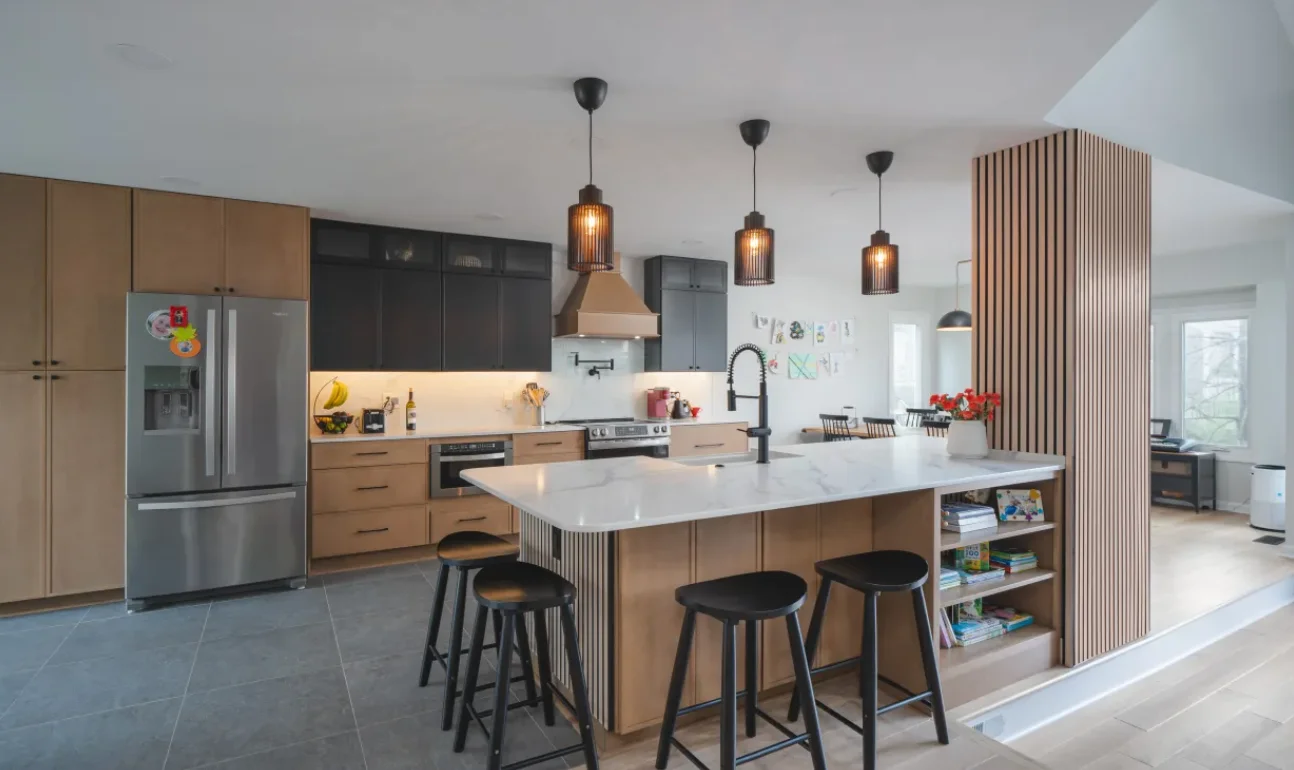
Embarking on a kitchen remodel is one of the most exciting and rewarding home transformations you can make. Whether you aim to improve functionality, refresh aesthetics, or boost property value, success always starts with a solid plan and vision. For those who crave tailored advice or unique design guidance, working with an Independent Kitchen Designer Ashburn, VA can provide invaluable expertise and personalized solutions. However, renovations often come with their own set of surprises and challenges. Taking a structured approach ensures your project is both enjoyable and efficient, rather than stressful or chaotic. This comprehensive guide walks you through every critical stage, equipping you with practical strategies for a successful kitchen transformation.
Set a Realistic Budget
Every kitchen remodel begins with the budget. Costs can range widely based on the size of your kitchen, your choice of materials, and the complexity of the work. Recent estimates indicate that a major kitchen remodel often costs around $80,000, though some projects can be completed for less, and others can cost more. Build in an additional 10 to 20 percent as a safety net for unforeseen expenses to keep your dream kitchen on track. Remember that budgeting is not only about accounting for the major features, but also for the small details that add up: hardware, lighting, and even unexpected takeout meals when your kitchen is out of service. Explore cost-saving techniques such as shopping for open-box appliances, taking advantage of seasonal sales, and assessing whether certain features can be installed in stages rather than all at once. Reach out to local supply stores for bulk buying opportunities, and don’t hesitate to negotiate for better deals. Every saved dollar can go toward upgrading another aspect of your dream kitchen.
Design a Functional Layout
How your kitchen is arranged has a major influence on how well it serves your daily routine. While the “work triangle” (placing sink, range, and refrigerator at three points) remains a traditional favorite, today’s kitchens increasingly use zoned layouts. These zones divide cooking, prep, baking, and cleaning tasks into separate areas, creating space for multiple cooks and making the kitchen more inclusive for all family members. Consider also the traffic patterns and potential pinch points in your space. Ensure there’s sufficient clearance for appliance doors to fully open, and evaluate whether adding elements like an island or breakfast nook will disrupt or enhance the flow. If you enjoy hosting, consider adding features like a beverage fridge, bar seating, or a dedicated coffee station to create a welcoming space for guests and family alike. Personalizing your layout according to your habits, not just design rules, will result in a kitchen that truly fits your needs.
Choose Durable Materials and Finishes
Quality materials in high-traffic areas will help your kitchen withstand the rigors of daily life. Invest in sturdy cabinets, long-lasting countertops, reliable appliances, and durable flooring. Consider more cost-effective choices for items like backsplashes, hardware, and decorative lights, where you can save money without a significant impact on performance. Always pay attention to manufacturer warranties and service agreements, as they provide insight into how long these investments should last. For eco-conscious homeowners, there are many sustainable options, such as recycled glass countertops, bamboo flooring, and low-VOC paints. Choose materials with proven durability and easy upkeep, and don’t forget to ask your designer or supplier about innovations, such as antimicrobial surfaces or finishes that resist fingerprint smudges. These choices can enhance both the visual appeal and the lifespan of your kitchen, reducing the need for future remodels.
Hire Qualified Professionals
Choosing the right professionals is critical to realizing your project vision. From architects and kitchen designers to licensed contractors and specialty installers, always review their portfolios and client testimonials. Clear contracts, transparent timelines, and honest communication are essential for mitigating misunderstandings. Even if you handle some DIY work, trusted professionals can ensure safety and compliance with local codes. Arrange regular check-ins, requesting progress photos if you can’t be on site daily, and ensure permits are obtained before key work begins. Don’t hesitate to ask prospective contractors about their approach to coordination with other trades, as smooth teamwork helps prevent costly missteps or delays. Trusted professionals will respect your input and keep you updated throughout each phase of the project.
Plan for Potential Challenges
No kitchen remodel is completely free of surprises. Frequently encountered issues include moving plumbing, updating electrical panels, or reinforcing flooring to support new appliances and surfaces. Knowing about these common challenges in advance helps you allot sufficient time and budget to address them quickly. Experts recommend thorough inspections before demolition to identify any outdated wiring, potential mold, or faulty water lines hidden behind walls or under floors. Establish contingency plans with your team, such as backup suppliers or alternate work sequences, to keep your project moving forward if faced with product shortages or lengthy shipping delays. By documenting everything, from item orders to in-progress changes, you’ll be able to minimize confusion and make well-informed decisions along the way.
Establish a Realistic Timeline
Delays often happen during kitchen remodels, so it is wise to be flexible. A mid-sized project typically unfolds as follows:
- Planning and Design: 4 to 6 weeks
- Permitting and Ordering Materials: 2 to 4 weeks
- Demolition and Site Prep: 1 week
- Construction and Installation: 4 to 8 weeks
- Final Inspections and Touch-ups: 1 to 2 weeks
Coordinating contractors, material deliveries, and inspections can stretch these estimates, particularly if special orders or custom elements are involved.
To accelerate the process and reduce stress, proactively schedule contractor meetings and secure all approvals as early as possible. Store key contact information in a shared document and set regular updates to keep your team and yourself accountable. Timely problem-solving and clear expectations will help streamline your experience from demolition to the finishing touches.
Stay Involved and Communicate
Regular site visits and open communication with your design and build team help keep your project on schedule and aligned with your expectations. Raise issues as soon as you see them, and remain flexible when faced with practical suggestions from professionals. Document all changes to your original plans to protect your budget and timeline. If you’re living on-site during the remodel, try creating a temporary kitchen with a microwave, mini-fridge, and a portable cooktop to keep daily routines manageable. Setting up a group chat or project management app allows all parties to check in quickly, clarify details, and prevent misunderstandings. A little more engagement on your end translates to more peace of mind and a finished kitchen you’ll truly love.
Enjoy Your New Kitchen
After the dust settles, your remodeled kitchen becomes much more than a collection of cabinets and appliances. It transforms into a welcoming hub for family gatherings, weeknight dinners, and holiday celebrations. By planning carefully and staying engaged throughout the project, you ensure lasting satisfaction and a boost to your home’s value. Remember: every bit of effort spent planning, researching, and communicating will pay off for years to come. Take time to appreciate the forms and finishes you’ve selected, and celebrate the functionality that comes from a smart, thoughtfully executed kitchen renovation. Share your new space with friends and family, and start building new memories in your revitalized heart of the home.
Conclusion
A successful kitchen remodel requires thoughtful planning, careful budgeting, and a clear understanding of your goals. By focusing on functionality, selecting durable materials, partnering with experienced professionals, and preparing for unexpected challenges, you can create a kitchen that enhances both your daily lifestyle and your home’s long-term value.
While renovations may involve adjustments along the way, a well-organized approach helps minimize stress and keeps the project moving in the right direction. Whether you are updating a small space or creating a complete kitchen transformation, every decision contributes to the final result. With the right preparation and professional guidance, your remodeled kitchen can become a beautiful, efficient, and welcoming space where you and your family can enjoy lasting comfort and memorable moments for years to come.

David Weber is an experienced writer specializing in a range of topics, delivering insightful and informative content for diverse audiences.