
Introduction
In an increasingly noisy world, controlling sound is more than a convenience—it’s a necessity. From bustling industrial facilities to quiet home offices, unwanted noise can disrupt focus, reduce productivity, and even affect wellbeing. Acoustic barriers and barrier products provide a modern solution, combining innovative materials with smart engineering to tackle noise at its source.
This article explores how these products work, where they are applied, and why they are becoming essential for both industry professionals and everyday users.
1. The Next Generation of Noise Control
Acoustic barriers are more than just thick panels—they are engineered solutions designed to stop noise from traveling through walls, machinery, or vehicles. Unlike traditional soundproofing that only absorbs echoes, barrier products block and redirect sound energy, effectively reducing both airborne and impact noise.
Modern barriers are also flexible, durable, and adaptable. They can conform to curved or uneven surfaces, making them ideal for challenging installations. Whether installed in a factory, vehicle, or home appliance, these materials provide consistent noise reduction without compromising space or aesthetics.
2. Different Types of Barrier Products and Their Unique Benefits
Acoustic barriers come in a variety of types, each engineered to solve specific noise problems:
2.1 Polymeric Barriers: Lightweight Yet Powerful
Products like C03 (1.4mm) and C09 (2.5mm) are polymeric acoustic membranes designed for low-density applications. Free from harmful materials like lead and bitumen, they provide environmentally safer solutions while effectively insulating sound across all frequencies.
Key Features:
- Bonds directly to panels like metal, wood, or plastic
- Reduces resonance in hollow-core or lightweight composites
- Offers excellent performance without adding significant weight
These barriers are particularly suitable for automotive panels, household appliances, and lightweight structural materials.
2.2 Bitumen PE Foil Barriers: Clean and Efficient
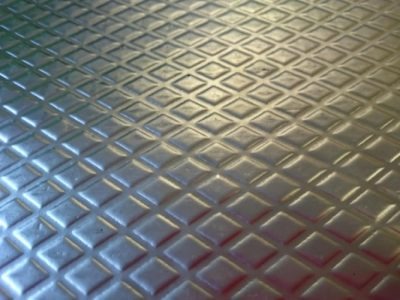
The C022 (3mm) and C023 (5mm) barriers feature a self-adhesive bitumen layer covered by diamond-embossed PE foil.
Benefits:
- Prevents transmission loss and minimizes vibrations
- PE foil protects surfaces from oils and allows easy bonding to substrates
- Ideal for flat installations and creating composite layers with acoustic foams
These are perfect for environments that demand both sound control and clean installation, such as machinery panels and vehicle compartments.
2.3 Bitumen Aluminium Barriers: Heat-Resistant Sound Damping
The C024 barrier combines bitumen, polymers, and mineral fillers with a protective aluminium surface.
Applications:
- High-temperature areas like engine compartments
- Agricultural and construction machinery
- Marine and heavy-duty vehicles
This type excels in harsh conditions, offering vibration damping and noise reduction without compromising thermal resistance.
3. Practical Applications of Acoustic Barrier Products
One of the reasons barrier products have grown in popularity is their versatility. They are not limited to industrial use—they enhance everyday life as well.
Industrial Applications:
- Machinery enclosures to reduce operator fatigue
- Construction vehicles and earth-moving equipment for safer noise levels
- Factory floors to meet occupational health standards
Commercial & Domestic Applications:
- Elevators and lift cabins for quieter rides
- Metal furniture, sinks, and tubs to prevent drumming and echoes
- Household appliances to create a more peaceful environment
By strategically installing these barriers, businesses and homeowners alike can dramatically reduce noise pollution and improve comfort.
4. Complementing Acoustic Barriers with Foam for Maximum Impact
While acoustic barriers block sound, acoustic foam absorbs it, creating a full-spectrum noise management solution.
Advantages of Acoustic Foam:
- Reduces echoes and reverberation in rooms
- Enhances audio clarity in recording studios, home theaters, and offices
- Comes in shapes like wedges, pyramids, and egg crates for increased surface area
Combining foam with barrier products allows for both sound absorption and sound insulation, providing an effective strategy for spaces where noise control is critical.
5. Advantages of Using Acoustic Barriers
Investing in high-quality acoustic barriers offers a multitude of benefits:
- Noise Reduction Across Frequencies: Blocks both mid- and high-frequency sound while dampening vibrations
- Customizable Solutions: Available in sheets, die-cut, or water-jet-cut parts for any installation
- Durability and Flexibility: Suitable for flat, curved, or uneven surfaces
- Thermal Resistance: Certain barriers perform well under high-temperature conditions
- Enhanced Comfort and Productivity: Reduces stress, improves focus, and creates quieter environments
By leveraging these benefits, organizations can not only comply with noise regulations but also enhance operational efficiency and user comfort.
6. Why Acoustic Barriers Are a Smart Investment
Noise control is more than a regulatory requirement—it’s a strategic investment. Poorly managed noise can reduce worker productivity, damage equipment, and negatively impact user experience.
High-quality barrier products:
- Protect machinery and structural components from vibration damage
- Improve the acoustic quality of indoor and outdoor spaces
- Enable a more controlled and predictable environment for audio-sensitive applications
In short, acoustic barriers are cost-effective, long-term solutions for managing sound in any space.
7. Conclusion
Acoustic barriers and barrier products are no longer optional—they are essential tools in noise management for industries, homes, and public spaces. With options ranging from polymeric sheets to bitumen foil and aluminium laminates, these products offer flexible, durable, and highly effective solutions for reducing airborne and impact noise.
When combined with acoustic foam, they form a comprehensive noise-control system that improves comfort, productivity, and safety. For anyone serious about sound management—whether in factories, vehicles, or living spaces—exploring modern acoustic barrier solutions is a crucial first step.
