
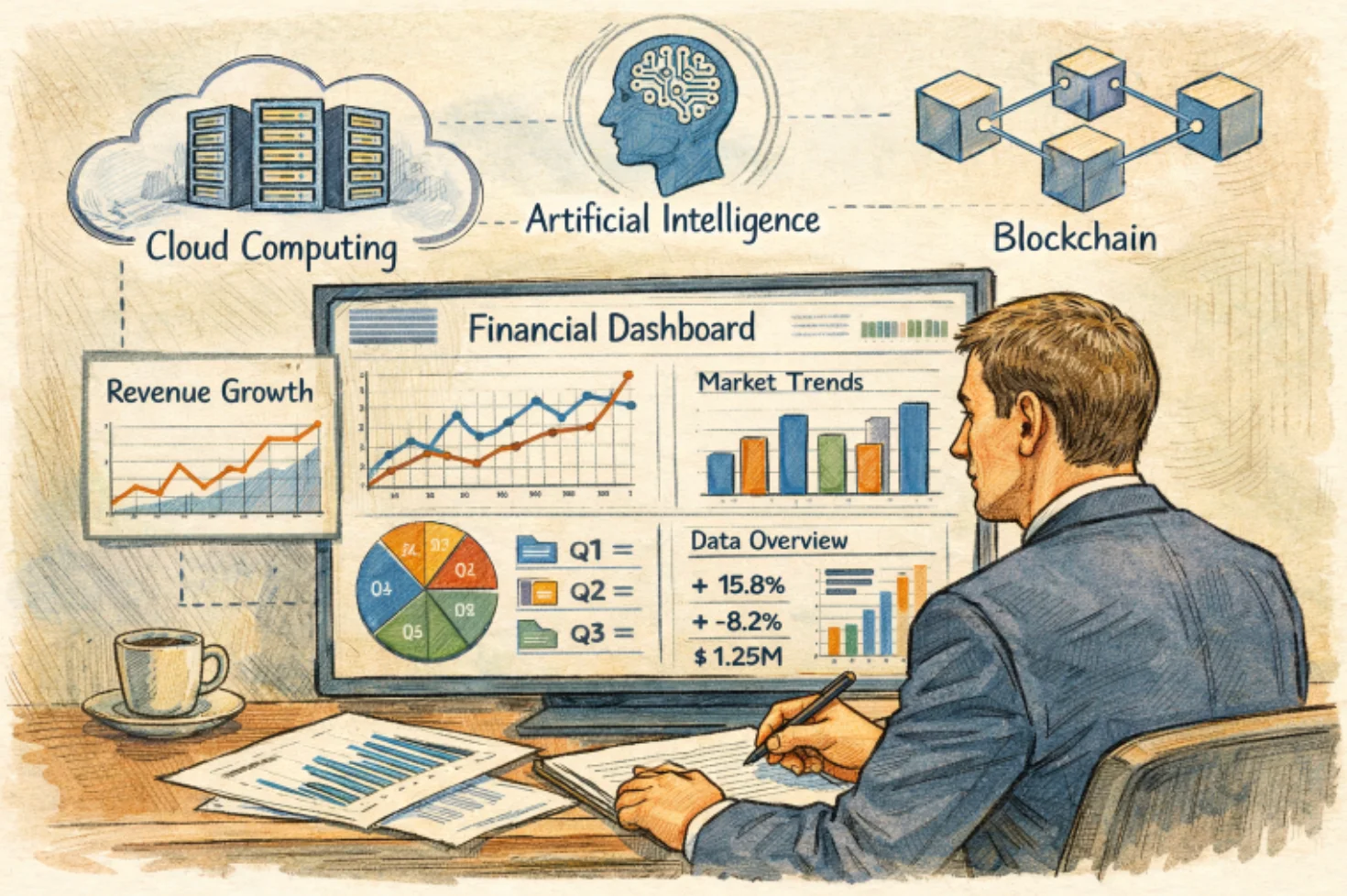
In an era defined by rapid technological advancement and evolving business dynamics, leveraging modern accounting practices has become crucial for organizations striving for financial success. The right approach can streamline operations, improve compliance, and help companies move ahead of their competition. Whether you are a small business owner or a leader in a growing enterprise, adopting advanced tools and methods can lay the groundwork for lasting financial health. To stay competitive in today’s market, many companies turn to experienced Port Orange accountants who are adept at integrating technology-driven solutions into their accounting strategies.
Shifting away from manual processes and outdated software allows businesses to capture opportunities, avoid costly errors, and ensure financial resilience. The benefits of cloud-based solutions, AI, blockchain, and smarter regulatory approaches extend beyond convenience. They transform how organizations interpret data, plan for the future, and protect themselves against risk. Embracing these changes is not just about survival; it is the key to thriving under new market realities and positioning a business for sustainable growth.
Embracing Technology in Accounting
The rise of cloud-based accounting systems and digital platforms has significantly improved how financial information is managed and shared. Automation, centralized data storage, and enhanced accessibility allow businesses and their advisors to collaborate more closely and efficiently. Cloud accounting platforms reduce reliance on physical documents, establish reliable backup protocols, and provide on-demand visibility into business performance.
Real-Time Data for Agile Decisions
Today’s best accounting methods are powered by real-time financial information. With dashboard-driven insights and automated reporting tools, decision-makers no longer need to wait for monthly closeouts or delayed financial statements. Instead, they have the ability to view their organization’s financial position at any moment. Immediate access to updated cash flow, profit and loss, and expense-tracking tools empowers companies to respond quickly to market changes, minimize risk, and capitalize on new opportunities.
Automation and AI in Financial Management
Artificial intelligence (AI) and automation are transforming the accounting landscape by automating repetitive, error-prone tasks. From invoice processing to bank reconciliation, AI-powered systems increase speed and reduce mistakes, allowing professionals to focus on higher-level strategic functions. These technologies also contribute predictive analytics capabilities, helping businesses forecast trends and make better decisions. As noted by Forbes, AI applications in accounting are growing rapidly and are essential for keeping pace in the digital economy.
Blockchain Enhancing Transparency
Blockchain is gaining traction in accounting for its ability to create secure and immutable records. Each transaction logged on a blockchain network remains tamper-resistant and traceable, making audit trails more reliable and reducing the risk of fraud. Transparent records are especially useful for complex international operations and supply chain transactions, providing confidence to both internal teams and external stakeholders.
Strategic Tax Planning
Strategic tax planning does more than ensure compliance with current regulations. When approached proactively, it can help companies discover credits, deductions, and incentive programs that free up cash flow for reinvestment and innovation. Partnering with knowledgeable CPAs or consulting firms helps identify opportunities unique to a business’s size, industry, and goals, ultimately improving the company’s bottom line.
Navigating Regulatory Changes
Businesses must adapt to an ever-changing regulatory environment. Automated compliance platforms are invaluable tools for monitoring updates to tax laws, reporting standards, and financial regulations. By integrating these systems into their workflows, companies can respond rapidly to regulatory updates and reduce the possibility of costly errors or penalties. Industry leaders recommend ongoing education and routine system audits to keep processes aligned with current requirements.
The Human Element in Modern Accounting
While automation and AI are reshaping accounting, the profession still relies heavily on human expertise. Accountants are now strategic partners in business growth, interpreting nuanced financial data and advising on planning, budgeting, and goal-setting. Their analytical skills bridge the gap between raw data and actionable business strategies. Those accountants who combine traditional financial knowledge with new technology-driven insights are better equipped to help businesses succeed in the digital age.
Final Thoughts
Modern accounting is more than a set of tools; it is a dynamic approach that aligns technology, compliance, and expert judgment. By adopting these methods, businesses unlock greater operational efficiency, reduce risk, and secure a competitive edge in a volatile market. Staying informed about new developments and working with skilled professionals ensures that your organization is prepared for continued financial success.

David Weber is an experienced writer specializing in a range of topics, delivering insightful and informative content for diverse audiences.