
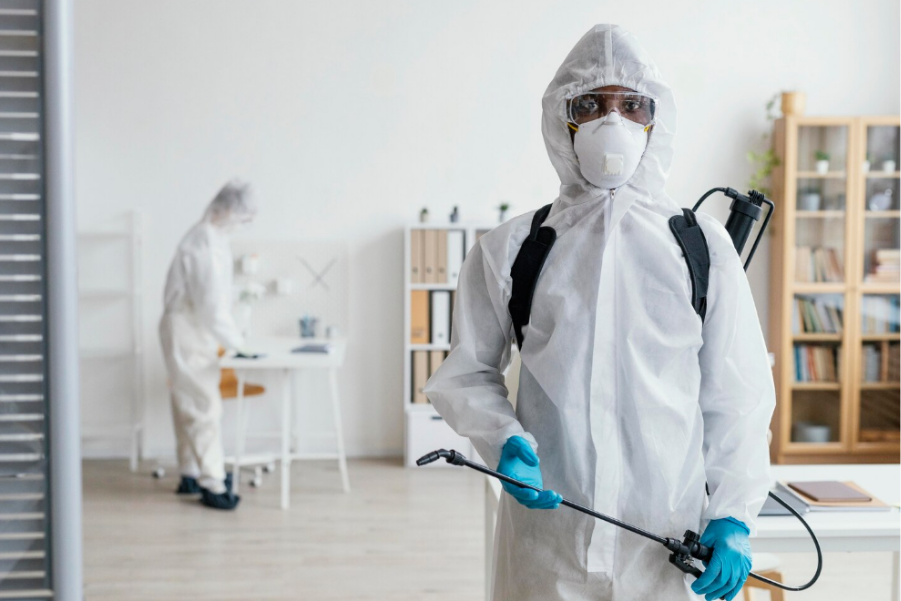
Pest problems usually go unnoticed until they start showing up inside your home or property. You may see ants in the kitchen, hear scratching noises in the walls during the night, or see damaged items in storage space. By this time, the pests already may have been active for weeks without being noticed. What begins small may gradually become a larger issue that can impact not only your property but also your comfort in everyday life.
That is where routine pest control makes a difference. As opposed to responding to the damage once it is evident, you take measures to prevent pests before they infest. By having regular inspections and preventive treatment, you minimize risks that are not easy to notice during the early phases. In the long run, this method makes your property cleaner, safer, and easier to manage.
So, let us now look at how this applies in practical scenarios and why it is important.
1. Prevent Costly Structural Damage to Homes and Buildings
Minor pest issues tend to remain concealed within walls, roofs, or floors. Termites might silently destroy wooden buildings internally, whereas rodents may chew wires and insulation without leaving any obvious traces initially. Repairs are already costly and highly stressful by the time it becomes noticeable.
In most instances, the property owners in areas such as Fort Lauderdale do not suspect a thing until they notice soft wood, sinking sections, or strange sounds. At this stage, the infestation has usually been active for a while. That is why early checks are so important to prevent long-term damage.
Regular inspections from services like Price Termite and Pest Control of Fort Lauderdale are useful in spotting these unseen problems before they propagate. Once the issues are detected in their early stages, the damage remains small and can be handled successfully. Consequently, your property is more resilient and more secure in the long run.
2. Reduce Health Risks Caused by Household Pests
Certain pests do more than create inconvenience—they pose serious health risks. Cockroaches and rodents, for example, often inhabit drains, garbage areas, and unclean surfaces, eventually making their way into kitchens and storage spaces. Their presence can lead to the contamination of food and commonly used surfaces, increasing the risk of bacterial transmission and potential illness.
The contamination might not always be visible, but it can also impact the hygiene within the home. In other instances, pest droppings and remains may also elicit allergies or respiratory discomfort, particularly among children or elderly persons. Such problems tend to accumulate over time and therefore are difficult to detect initially.
In such instances, routine pest management is used to minimize these risks by mitigating the movement of pests and preventing infestations at the onset. With pest activity kept at a manageable level, your living spaces will automatically be cleaner and healthier. This assists in safeguarding not only your health but also your comfort in daily life.
3. Maintain Continuous Protection Through Scheduled Treatments
A one-time pest treatment can take care of what is going on now, but not necessarily what follows. Pests usually come back after some weeks or months, particularly with a change in weather, or when they discover new small holes around doors, pipes, or walls. Due to this, a one-time action might not be permanent.
Many property owners observe this when the ants reappear after the rainfall or when the insects gradually return when they believe that the problem was over. Such a cycle occurs as pests evolve fast and continue to seek food and shelter. Unless followed up regularly, such minor returns can gradually turn into a new large infestation.
This cycle can be controlled by scheduled pest control by checking and treating the property at regular intervals. Rather than waiting until pests reappear, every visit is aimed at identifying early signs and repairing problem areas. This consistent practice, over time, maintains pest activity under control and minimizes sudden surprises in your house or building.
4. Keep Living Spaces Clean, Safe, and Free from Contamination
A pest-free property simply feels cleaner. When pests are active, they often leave behind droppings, nesting materials, and unpleasant odors in hidden areas like cupboards, garages, and storage rooms. Even small traces can make a space feel unclean.
Once pest activity is reduced, cleaning becomes much easier and more effective. Surfaces stay uncontaminated for longer, and stored items are less likely to be damaged or exposed. This helps create a more comfortable environment for everyone using the space.
Regular pest control supports this cleanliness by stopping infestations before they spread. Instead of constantly cleaning up after pests, you maintain a stable and hygienic living environment. Over time, this improves both comfort and peace of mind.
5. Ensure Year-Round Defense Against Seasonal Pest Activity
Pest behavior changes throughout the year, and these shifts often surprise property owners. After heavy rain, pests may move indoors to find dry shelter. During warmer months, many insects reproduce faster and become more noticeable inside and around buildings.
These seasonal changes can lead to sudden increases in pest activity if there is no preventive plan in place. What feels like a minor issue in one season can quickly become a larger infestation in the next.
Regular pest control helps you stay ahead of these changes. Instead of reacting when pests appear, you reduce the chances of them settling in the first place. This keeps your property protected no matter how conditions change outside.
Beyond common household bugs, outdoor spaces often face unique challenges from burrowing wildlife that can compromise the visual appeal and stability of your landscape. Moles, for instance, create intricate tunnel systems that disrupt root structures and leave unsightly mounds across a lawn. While indoor pest management focuses on hygiene and structural integrity, outdoor care often requires the expertise of a local mole exterminator to manage these tunneling issues before they reach a nuisance level. Taking steps to address these yard-based problems early contributes to a well-maintained exterior and prevents small patches of damage from spreading across the entire property.
Conclusion
Pest problems rarely start as major issues, but they can grow quietly if left unchecked. By the time they become visible, they may already be affecting both the structure and cleanliness of your property. This is why waiting often makes the situation harder to manage.
Regular pest control offers a more stable and practical approach. It helps you prevent damage, reduce health risks, and maintain a cleaner environment throughout the year. With consistent care, your property stays safer, healthier, and easier to live or work in over the long term.

1 thought on “How Regular Pest Control Helps Keep Properties Safe And Healthy”