
Home improvement decisions are often influenced by generational preferences, with each age group bringing its own priorities and expectations to renovation projects. Today’s homeowners are navigating a changing landscape shaped by lifestyle needs, budget considerations, and evolving design trends, making these differences increasingly significant. Understanding these perspectives helps both homeowners and professionals make smarter choices. For those considering upgrades like new Boulder windows, exploring Generational Insights on Home Improvement offers deeper data and analysis on these shifting trends.
Understanding Energy Efficiency
Energy efficiency in windows refers to their ability to restrict unwanted heat loss or gain. The U.S. Department of Energy notes that 25% to 30% of a home’s heating and cooling energy can be lost via windows. Efficient windows not only help stabilize indoor temperatures but also reduce noise and protect furnishings from sun damage. Features such as insulated glazing, specialized coatings, and improved seals have changed what homeowners can expect from today’s window technology. Getting familiar with rating systems, such as those from ENERGY STAR and the National Fenestration Rating Council, is an essential first step. You can learn more at the U.S. Department of Energy’s guide to energy-efficient windows.
Choosing the Right Frame Material
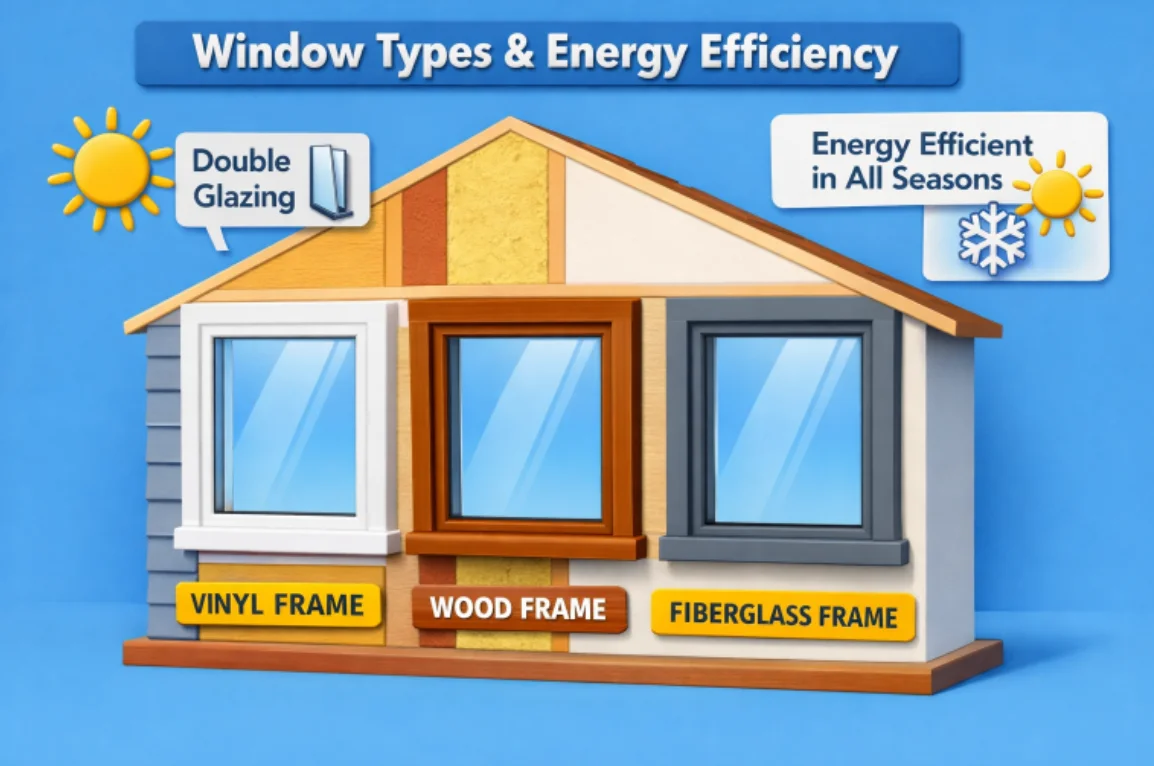
The window frame provides structural support and determines much of the window’s insulation value and maintenance needs. Some of the most popular choices include:
- Vinyl: These frames are affordable, energy-efficient, and require little upkeep. They work well in many climates but may expand or contract in areas of extreme heat or cold.
- Wood: Prized for their natural look and excellent insulating properties, wood frames do require regular painting or staining to protect against moisture and pests.
- Fiberglass: This material is incredibly strong, resists warping and rot, and offers superior thermal performance. Fiberglass frames tend to be more expensive but last longer and need less maintenance.
Aluminum frames are also an option, especially where strength and thin profiles are desired. However, they do not insulate as well as the other materials, making them less desirable for energy-conscious upgrades. Consider your regional climate and the level of care you are willing to provide when weighing your frame options.
Selecting Glass Types and Coatings
The glass within your windows is the primary barrier between indoor and outdoor environments. Here are the most impactful features:
- Double or Triple Glazing: Multi-pane windows trap gas between the panes, providing significantly better insulation than single-pane alternatives.
- Low-Emissivity (Low-E) Coatings: These microscopically thin coatings reflect infrared heat, helping keep your home warm in winter and cool in summer, without blocking visible light.
- Gas Fills: Argon or krypton gases are heavier than air and placed between panes to slow heat transfer, enhancing insulation.
For a detailed look at modern window technology, Forbes offers a comprehensive overview of the various window types and features available here.
Importance of Professional Installation
Even the highest-performing window products can fail if not installed properly. Gaps, poor sealing, and improper mounting can all undermine the window’s energy efficiency and lifespan. Trusting reputable professionals ensures that your windows are set, sealed, and finished according to manufacturer guidelines, providing reliable performance and warranty protection. Seek out local installers with positive reviews and ask about their experience with the specific types of windows you plan to purchase.
Professional installation prevents early wear and ensures that your new windows maintain an airtight seal against the elements. Working with experienced teams allows you to plan your project with confidence and select the best options for your property’s specific needs. Homeowners who want to map out their next window upgrade can easily get in touch with local specialists to discuss custom dimensions, scheduling, and reliable warranties.
Maintenance and Longevity
How long your windows last will depend on the materials you choose and how well you maintain them. To maximize lifespan and efficiency:
- Keep both the glass and frames clean to avoid buildup that may cause scratches or stains.
- Regularly inspect weatherstripping and seals for signs of cracking or wear, and replace as needed.
- Refresh the exterior finish of wood frames every few years to prevent rot and insect damage.
Consistent and simple upkeep ensures your windows not only look great but also continue to deliver peak performance for decades.
Cost Considerations and Return on Investment
While energy-efficient windows generally cost more upfront than standard options, the upfront cost is often offset by significant savings on energy bills and increased property value. Well-chosen windows can also qualify for local and federal tax incentives and utility company rebates. According to experts at MarketWatch, homeowners can expect an average return on investment of 70% when it comes time to sell, underscoring their value as a long-term investment.
Conclusion
Choosing durable, energy-efficient windows for your home is a decision with a lasting impact. By focusing on the right frame, glass technology, and installation, while staying proactive about maintenance, you will increase comfort, reduce expenses, and elevate your property’s appeal. Take the time to compare options, look for trusted certifications, and consult experienced professionals so you can enjoy your investment for years to come.

David Weber is an experienced writer specializing in a range of topics, delivering insightful and informative content for diverse audiences.