
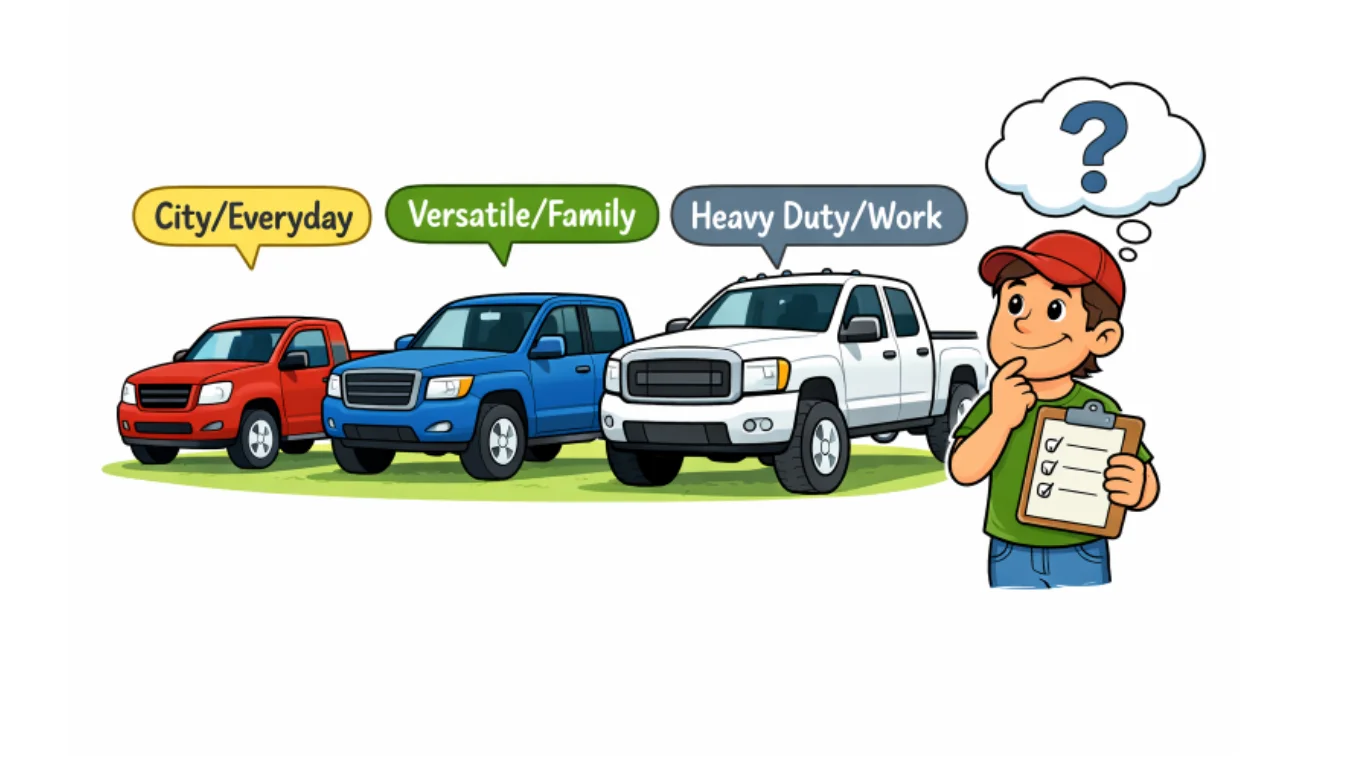
With countless options available, choosing the right pickup truck can feel overwhelming. Trucks come in various shapes and sizes, tailored to different requirements, whether you need a daily driver, a heavy-duty work partner, or a vehicle for rugged weekend adventures. Exploring what’s out there begins with understanding your own needs and then carefully evaluating the models that best align with your lifestyle. If you are looking for a wide range of truck inventory Dallas, you will find plenty of options to consider during your research process.
Purchasing a pickup is a significant investment, and it’s worth making a choice that delivers both reliability and value. To help narrow down your search, consider how often and in what ways you expect to use your truck. To ensure you frequently haul adequate equipment, tow trailers for work or leisure, or primarily need versatility for daily driving? Once you’re clear on these factors, you will be better positioned to select a model that offers the comfort, utility, and performance you require most.
Assess Your Needs
Determining your primary truck use is essential. Will the truck be a personal vehicle for commuting and family outings, or will it mainly be used for job sites and heavy-load transport? Everyday drivers may prioritize comfort features, fuel economy, and technology, while work-focused buyers often need toughness, maximum payload, and towing muscle. Urban drivers may opt for compact trucks for easy maneuvering, while rural and commercial users may require full-size or heavy-duty models.
Another crucial aspect is how often you anticipate using the truck for tasks such as towing. Occasional haulers can prioritize trucks with lower towing capacities and better on-road performance, while regular towing justifies investing in more robust, specialized configurations.
Understand Towing and Payload Capacities
Towing and payload are two of the most important specs to consider. Towing capacity is the maximum weight your truck can safely pull, such as trailers, boats, or campers. Payload capacity addresses how much you can carry in the bed and cab combined. This is especially critical for contractors and anyone hauling tools, gear, or materials. Capacity can vary widely, even within the same model, depending on the engine and option packages chosen. Manufacturers provide guidelines, and you can also utilize online calculators or resources for comparison, which you can explore at Cars.com.
Engine Types and Drivetrains
Trucks today come with a variety of engine options: gasoline for everyday versatility, diesel for more torque and towing power, and an increasing number of hybrid and electric options for efficiency and reduced emissions. Each engine type has strengths and trade-offs. Gas engines generally cost less and are simpler to maintain, while diesels deliver extra power at the cost of pricier fuel and higher maintenance. Newer hybrid and electric trucks are changing the landscape by offering instant torque and the potential for substantial fuel savings.
Drivetrain choice also matters. Two-wheel-drive trucks are typically less expensive and can offer better fuel economy, making them ideal for mostly on-road driving. Four-wheel drive, however, is a must for anyone who faces snow, mud, or off-road trails. Carefully consider your climate and typical destinations before making a final decision. For a more detailed comparison of these options, see Consumer Reports’ resources.
Cab Size and Bed Length
Your comfort, passenger needs, and intended cargo will heavily influence the best cab and bed combination. Regular cabs offer the longest bed but minimal seating. This works well if cargo comes before crew. Extended cabs strike a balance between a smaller rear seat suitable for occasional passengers. Crew cabs provide the most spacious cabins, ideal for families or overseen work crews, though this often comes with a shorter bed.
Bed length also affects day-to-day utility. Longer beds are better for hauling oversized gear but may be less practical for city driving or parking. Balancing your people versus cargo needs ensures your truck is ready for both work and play. For guidance on which configurations best fit different lifestyles, you may find this NerdWallet guide insightful.
Long-Term Ownership Costs
Beyond the sticker price, ownership costs add up through fuel, insurance, maintenance, and eventual resale. Fuel efficiency varies significantly, with smaller engines and newer technologies generally saving money at the pump. Maintenance costs vary by brand and drivetrain, and some trucks have higher reliability ratings than others. Depreciation can also affect your financial outcome. Using resources like manufacturer warranties and reliability ratings, as well as ownership cost calculators available on large automotive sites, can help you project true long-term expenses.
Through careful research and honest assessment of your regular activities, you can confidently select a pickup that supports both your immediate needs and plans. The right truck not only serves your daily life but also becomes a dependable companion on all your journeys.

David Weber is an experienced writer specializing in a range of topics, delivering insightful and informative content for diverse audiences.