
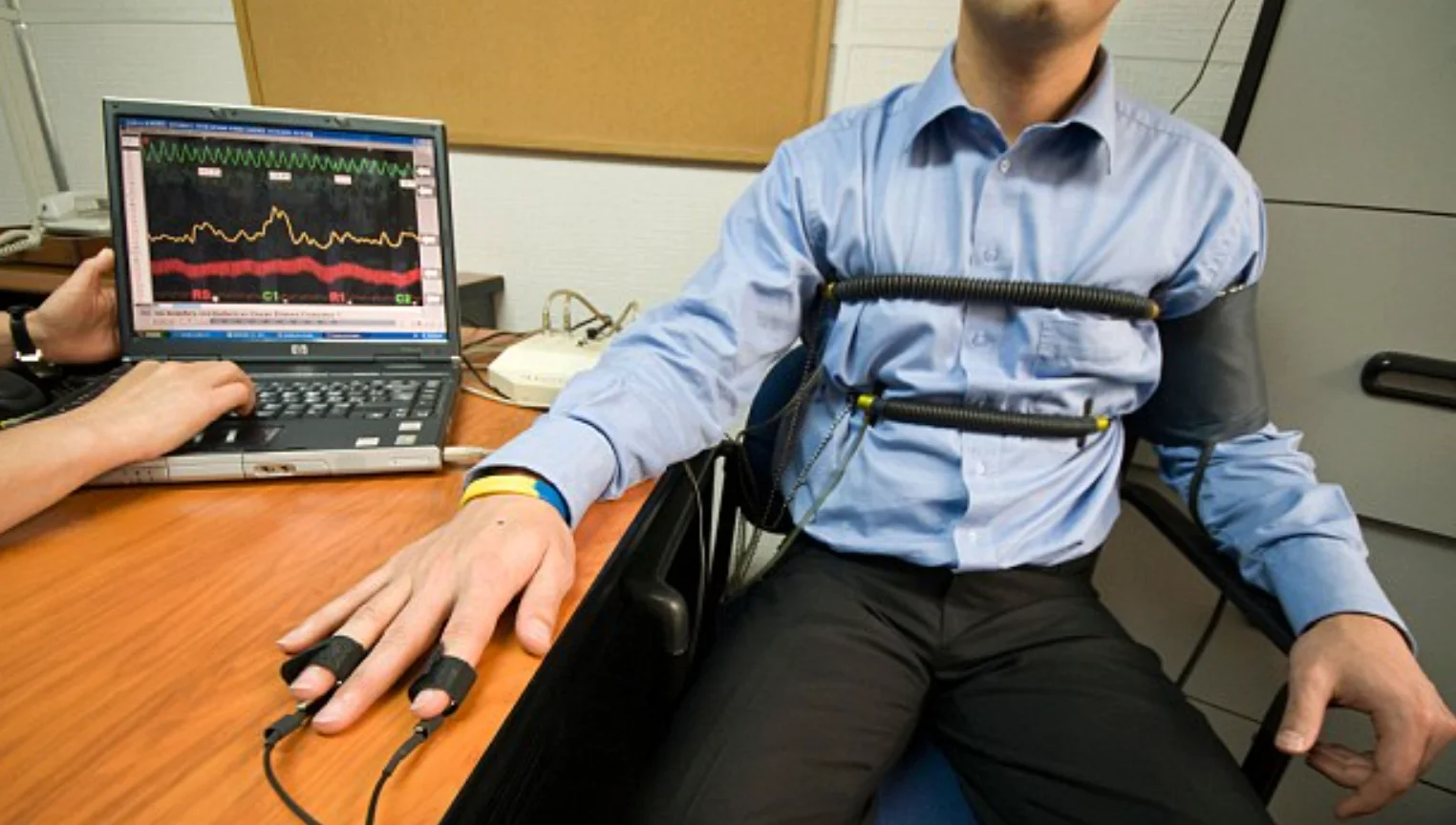
The polygraph test has this strange reputation. Some people see it as a truth machine. Others roll their eyes and call it junk science. If you’ve ever watched a crime show, you’ve probably seen someone sweating under wires while a needle dances across a chart. It looks convincing. Almost theatrical.
But here’s the thing—real life isn’t that clean. And the polygraph? It’s far more complicated than the dramatic version we’re used to.
Let’s unpack what’s actually going on when someone takes a polygraph test, why it still gets used, and why experts can’t seem to agree on whether it works.
What a Polygraph Test Actually Measures
Despite the name, a polygraph doesn’t detect lies. That’s the first misconception to clear up.
What it measures is your body’s response to stress. Heart rate. Breathing. Blood pressure. Sometimes sweat gland activity. The idea is simple: when people lie, they get nervous. That nervousness shows up in their physiology.
So when you answer questions, the machine tracks how your body reacts. If your heart suddenly races or your breathing shifts during a specific question, the examiner may flag that as suspicious.
But notice the leap here. Stress doesn’t equal lying.
Imagine this: you’re being asked, “Did you steal money from your workplace?” You didn’t. But you’re nervous because the whole situation feels serious. Maybe you’ve never been interrogated before. Maybe you’re worried you won’t be believed. Your body reacts anyway.
The machine doesn’t know why you’re stressed. It just records that you are.
That’s where things start to get messy.
How the Test Is Structured
A typical polygraph test isn’t just a series of random questions. It’s carefully designed, and the setup matters more than most people realize.
First comes a pre-test interview. This part can last longer than the actual test. The examiner talks through your background, explains the process, and reviews the questions you’ll be asked.
This isn’t just small talk. It sets the baseline.
Then comes the actual test. You’ll usually get three types of questions:
- Relevant questions (the ones tied to the issue)
- Control questions (broad, slightly uncomfortable ones like “Have you ever lied to get out of trouble?”)
- Neutral questions (simple, factual things like “Is your name John?”)
The examiner compares your reactions across these categories. If your response to relevant questions is stronger than to control questions, it may be interpreted as deception.
Here’s where it gets interesting. Control questions are designed to make almost everyone feel a little uneasy. That way, your reactions to them create a comparison point.
It’s not just about what you say—it’s about how your body reacts relative to other moments.
Why People Believe in It
Even with all its limitations, the polygraph hasn’t gone away. That alone tells you something.
Part of the reason is psychological.
When someone is hooked up to a machine that’s supposedly detecting lies, it can feel intimidating. People often believe it works, and that belief can lead to confessions—even if the machine itself isn’t the deciding factor.
There’s a classic scenario you’ll hear about: someone denies something during questioning, takes a polygraph, is told they “failed,” and then admits the truth afterward.
Was it the machine? Or the pressure?
Hard to say.
Law enforcement agencies sometimes use polygraphs not because they’re foolproof, but because they can be effective tools in an investigation. They create a moment of tension where people might reveal more than they intended.
The Critics Have a Point
Now let’s be honest—there’s a reason polygraph results aren’t widely accepted in court.
The core issue is reliability.
Human bodies react to all sorts of things: fear, embarrassment, anger, confusion. Not just deception. And people don’t react in consistent ways either.
Some people stay calm under pressure. Others get anxious over nothing.
Picture two people taking the same test. One is guilty but cool-headed. The other is innocent but visibly nervous. The results could easily flip expectations.
There’s also the problem of interpretation. The examiner plays a big role in reading the charts. That introduces subjectivity, whether intentional or not.
And then there’s the uncomfortable truth: people can train themselves to manipulate the test.
Can You Beat a Polygraph?
Short answer? Sometimes.
Longer answer—it’s not as simple as people think, but it’s also not impossible.
Since the test relies on comparing reactions, some people try to artificially increase their response to control questions. Things like subtle muscle tension, controlled breathing changes, or even mental tricks.
The goal is to make those baseline reactions look stronger, so the relevant questions don’t stand out as much.
There are stories—some verified, some exaggerated—of individuals being trained to pass polygraphs despite lying.
At the same time, trying to “game” the test can backfire. Experienced examiners are trained to look for irregular patterns. Overdoing it can raise suspicion in a different way.
So yes, it can be influenced. But it’s not a guaranteed hack.
Where Polygraphs Are Still Used
Even with all the controversy, polygraph tests haven’t disappeared. They’ve just shifted roles.
You’ll still see them used in:
- Law enforcement hiring processes
- National security screenings
- Internal investigations
- Probation or monitoring in certain cases
In these contexts, the polygraph isn’t usually the final word. It’s one piece of a larger puzzle.
For example, during a job screening, a failed polygraph might not automatically disqualify someone—but it will definitely raise questions.
That’s the key point. It’s rarely about the machine alone. It’s about how the results fit into a broader evaluation.
The Human Element Behind the Machine
One thing that doesn’t get talked about enough is how much the examiner matters.
A good examiner isn’t just reading charts. They’re observing behavior, tone, hesitation, consistency. They’re building a psychological profile in real time.
Two examiners could look at the same data and come to slightly different conclusions.
That’s both fascinating and concerning.
Because it means the outcome isn’t purely scientific. It’s part science, part human judgment.
And humans, as we know, aren’t perfectly objective.
A Small Scenario That Says a Lot
Imagine a young applicant applying for a federal job. Clean record. No serious issues. But during the polygraph, they get asked about past drug use.
They admit to trying something once years ago.
Now they’re wired up, answering follow-up questions. Their heart rate spikes—not because they’re lying, but because they’re worried that one mistake might ruin their chances.
The examiner notes the reaction.
Later, the applicant is told their results were “inconclusive” or even “deceptive.”
Nothing about their story changed. Just their physiological response.
That’s the gray area in action.
Why the Debate Isn’t Going Away
If the polygraph were completely useless, it would’ve been abandoned by now. If it were perfectly accurate, it would be widely accepted in court.
Instead, it sits in this uncomfortable middle ground.
Supporters argue that, when used properly, it’s a valuable tool that can reveal patterns and prompt deeper questioning.
Critics argue that it creates a false sense of certainty and risks misjudging people based on unreliable signals.
Both sides have valid points.
And that’s why the debate keeps going.
So Should You Trust It?
Here’s the honest answer: not completely.
A polygraph can provide insight, but it shouldn’t be treated as a definitive measure of truth. It’s better understood as a tool that highlights areas worth exploring further.
Think of it like a smoke detector. It can alert you to something unusual, but it doesn’t tell you exactly what’s happening or why.
Blind trust is risky. Total dismissal might miss its practical value.
Balance matters.
Final Thoughts
The polygraph test lives in a strange space between science and psychology. It looks precise, but it relies heavily on interpretation. It feels authoritative, but it’s far from foolproof.
What makes it stick around isn’t perfection—it’s usefulness in certain situations. It can create pressure, reveal inconsistencies, and guide investigations. But it can also mislead if taken at face value.
So the next time you see someone hooked up to a polygraph, whether in real life or on a screen, remember this: the machine isn’t reading their mind. It’s reading their body.
And the body doesn’t always tell a simple story.

David Weber is an experienced writer specializing in a range of topics, delivering insightful and informative content for diverse audiences.