
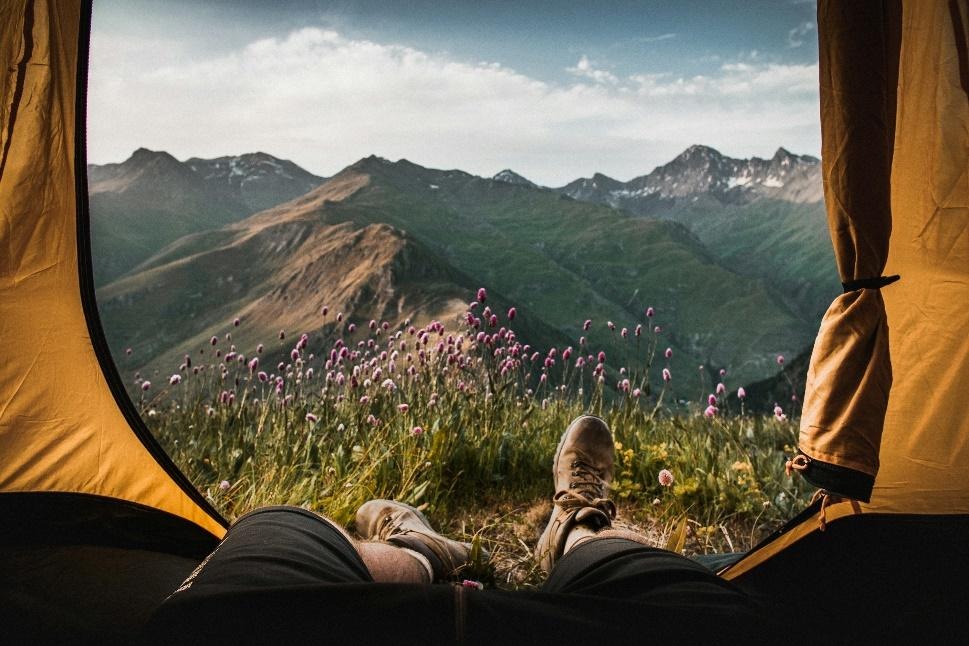
Fast itineraries promise more, yet they tend to deliver less. Five parks in five days sounds impressive on paper, but the memories blur into a montage of parking lots, trailhead signs, and rushed photographs taken with one foot already turned toward the next stop. Slow travel in the wild flips that equation. The idea is simple. Pick fewer places, stay longer, and let the landscape reveal itself on its own schedule rather than yours. A meadow you walked past on day one becomes the place you return to every evening by day four. A bend in the river starts to feel like a familiar room. The pace shifts from collecting destinations to inhabiting them, and the rewards multiply quietly the longer you remain.
Choosing a Shelter That Supports a Long Stay
Most backpacking tents are engineered for movement, not residence. The fabric is thin, the floor is cramped, and standing upright is impossible. That works for thru-hikers covering big mileage, but it falls apart the moment you decide to stay put for a week or two.
The real problem with extended backcountry stays is that thin nylon shelters cannot handle sustained weather, daily living, or a heat source inside them. Wet gear never dries, condensation soaks everything by morning, and a single bad storm can drive you home days before you planned to leave. Anyone serious about basing in one spot for the long haul should look at the canvas wall tents by Wall Tent Shop, which are built for exactly this kind of use. Heavy duck canvas breathes instead of trapping moisture. A stove jack lets you heat the interior safely on cold mornings. Reinforced eaves, a sturdy frame, and vertical walls turn the structure into something closer to a small cabin than a tent. Owners report decades of use out of a single one, which makes the math work out quickly for anyone who plans to spend real time outdoors.
Picking One Place Instead of Five
The hardest part of slow travel is resisting the urge to keep moving. Maps are seductive. Every ridgeline on the horizon suggests another adventure, and every guidebook page lists three more places that sound essential. The discipline is in saying no. Pick one drainage, one lake basin, one stretch of coastline, and commit to it for the duration. The first two days, you will feel restless. By the fourth day, that restlessness gives way to attention. You start noticing which birds arrive at dawn and which ones show up only at dusk. You learn where the wind tends to come from in the afternoon. You discover the small side creek that nobody else seems to walk to, because nobody else is staying long enough to find it.
Letting Weather Become a Companion Rather Than a Threat
Short trips treat the weather as an enemy. A rainy weekend ruins a two-day plan, so every cloud feels like a personal insult. Longer stays absorb weather differently. A storm that would derail a quick visit becomes part of the texture of a longer stretch. You wait it out, watch the clouds lift off the ridge, and step outside into a landscape rinsed clean and smelling of wet pine. The next morning is brighter and quieter because everyone else has packed up and left. Slow travelers learn to read the sky rather than fight it, and they often find that the most memorable days arrive on the back end of bad weather rather than during the postcard afternoons.
Building Daily Rhythms in the Backcountry
Living in one spot for a week or longer means you stop scheduling your days and start letting them unfold. Mornings tend to begin with coffee and the slow recognition of what the light is doing. Midday becomes the working part of the day, whether that means a long hike, gathering firewood, fishing a stretch of water, or repairing something around camp. Afternoons turn lazy. Evenings stretch out around a fire or a stove, with conversations that wander because nobody has anywhere to be. These rhythms are the actual point. They are what people mean when they talk about feeling restored by time in the wild, and they only emerge when you stop checking the time.
Eating Better by Cooking Slower
Quick trips rely on freeze-dried meals and energy bars because nothing else fits the schedule. Extended stays open up real cooking. A cast-iron skillet, a few staples, and a heat source change what is possible. You can bake bread. You can simmer a stew for hours. You can cook a fresh trout an hour after catching it. Food becomes part of the day rather than fuel grabbed between objectives, and meals shared in a roomy canvas shelter at the end of a long day taste better than anything rushed on a windy ridge.
Knowing When to Sit Still
One of the quiet skills of slow travel is sitting still in the same place repeatedly. The first time you sit on a particular rock and watch a valley, you see the obvious things. The tenth time, you start seeing what was always there. A family of otters working a side channel. A hawk that hunts the same hillside every afternoon. The way shadows move across a rock face as the sun crosses overhead. None of this reveals itself to people passing through, and none of it shows up in photographs. It only emerges when you give a single place enough of your time to recognize yourself.
What You Take Home
The souvenir of slow travel is not a list of places visited. It is a different relationship with attention. After a week or two of living deliberately in one wild spot, you return changed in small ways. You move slower at home. You notice trees on your own street. You stop confusing movement with experience. The wild gave you something quieter than a vacation, which is the rare gift of having been somewhere fully rather than briefly.
