
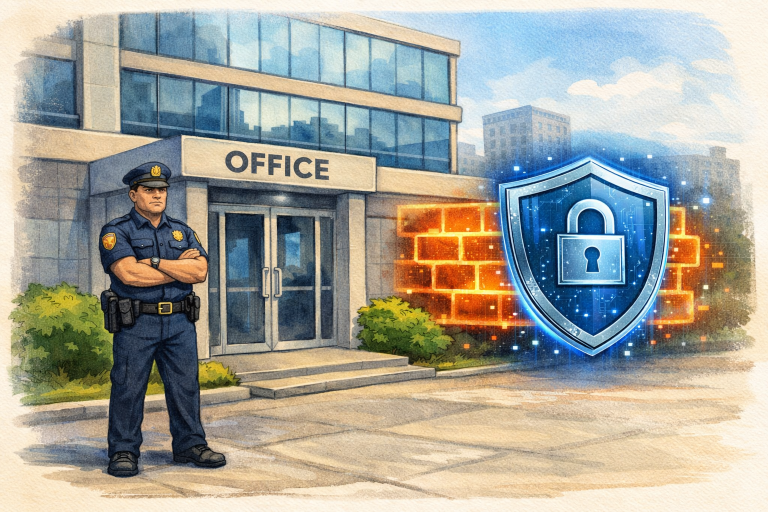
In today’s rapidly evolving threat landscape, businesses face a myriad of security challenges that demand specialized solutions. From cyber threats to physical vulnerabilities, the need for comprehensive security services has never been more critical. Whether you are preparing to safeguard an important facility or considering special event security staffing, understanding the breadth of current security risks is a priority for any organization.
The modern business environment is no longer defined by a single line of defense. Instead, successful organizations must address a blend of digital and physical threats using an array of innovative strategies. Comprehensive security solutions allow you to proactively defend assets, employees, and operations in a changing risk landscape.
Rising Threats in the Modern Business Environment
Businesses today are navigating an increasingly complex threat landscape. Cyberattacks, in particular, have surged, with incidents involving third-party vendors accounting for nearly one-third of breaches, underscoring the vulnerabilities within interconnected systems. According to the Forbes Tech Council, the number and severity of supply-chain-related cyber risks continue to rise, putting businesses at increasing risk of data loss, service outages, and financial damage.
Meanwhile, physical threats such as cargo theft have escalated, with losses reaching nearly $725 million in 2025, a staggering 60 percent increase from the previous year. These trends have created a new sense of urgency for companies to revisit their entire security posture.
Comprehensive Security Solutions
To address these multifaceted threats, companies are adopting integrated security services. Allied Universal, for example, has rolled out its Enhanced Protection Services unit, providing offerings such as firearm and explosive detection canine teams, risk advisory, executive protection, and disaster response. By combining physical security personnel, advanced monitoring technologies, and expert consulting, organizations can protect themselves against diverse and highly adaptive threats.
Effective security today means more than responding to incidents. It involves continuous assessment, planning, and readiness for everything from targeted cyberattacks to extreme weather events. By partnering with reputable providers, businesses gain access to resources and expertise that may not be available in-house.
Integrating Technology in Security Strategies
Recent technological advancements are transforming security strategies. Artificial intelligence is taking center stage, offering enhanced capabilities in threat detection and response. AI-powered surveillance systems, like those used by Cloudastructure, have proven their value in crime prevention by rapidly identifying suspicious activity and alerting authorities in real-time. These solutions can quickly scale to fit different operational needs across sectors and locations.
For those interested in trends at the intersection of technology and security, the CSO Online report on AI in cybersecurity details the impressive shift toward automated responses, machine-learning-based monitoring, and predictive analytics in modern defenses.
Importance of Third-Party Security Assessments
With the increase in supply chain and vendor-related breaches, companies must conduct thorough security assessments of their third parties. Organizations must evaluate each partner’s security posture, regularly review credentials, and request third-party audits to ensure compliance with their own standards. Developing tailored assessment frameworks that foster transparency and set clear expectations can significantly reduce risks and create an environment of shared accountability between all business partners.
Tailored Security for Small and Medium-Sized Enterprises
Small and medium-sized enterprises (SMEs) often face specific hurdles in establishing robust security protocols due to limited budgets or expertise. Recognizing this need, companies like SimpliSafe are now designing affordable solutions that specifically target the SME sector, encompassing alarm monitoring, video surveillance, and emergency response. These packages empower smaller organizations to attain high levels of protection without the complexity and expense typically associated with enterprise-grade services.
Proactive Threat Detection and Response
Adopting a proactive stance in threat detection is crucial for maintaining ongoing business continuity. Managed Security Service Providers (MSSPs) offer around-the-clock monitoring, immediate incident response, and regular vulnerability assessments. This model means that potential threats are detected, investigated, and mitigated before they escalate, helping to reduce the impact of attacks and limit operational downtime. Many businesses depend on MSSPs to supplement internal teams or serve as dedicated security partners in a managed services capacity.
Collaborative Approach to Security
Security is increasingly recognized as a collaborative venture. By working with specialized partners, companies can access a global knowledge base, timely threat intelligence, and advanced technical resources. A notable example is the partnership between Securonix and Brennan, leveraging AI-driven solutions to provide managed Security Operations Center services focused on threat detection and incident response.
Fostering these collaborations enables companies to stay agile as threats evolve, supporting a security-first culture that is responsive and resilient in the face of new challenges.
Conclusion
In an era defined by complex, rapidly changing risks, adopting specialized security services is a crucial investment for any modern business. Integrating comprehensive solutions, employing advanced technologies, and fostering collaborative partnerships are all essential steps in building strong defenses. As organizations continue to adapt, those that prioritize innovation in their security approach will be best positioned to protect their assets, employees, and stakeholders.
