
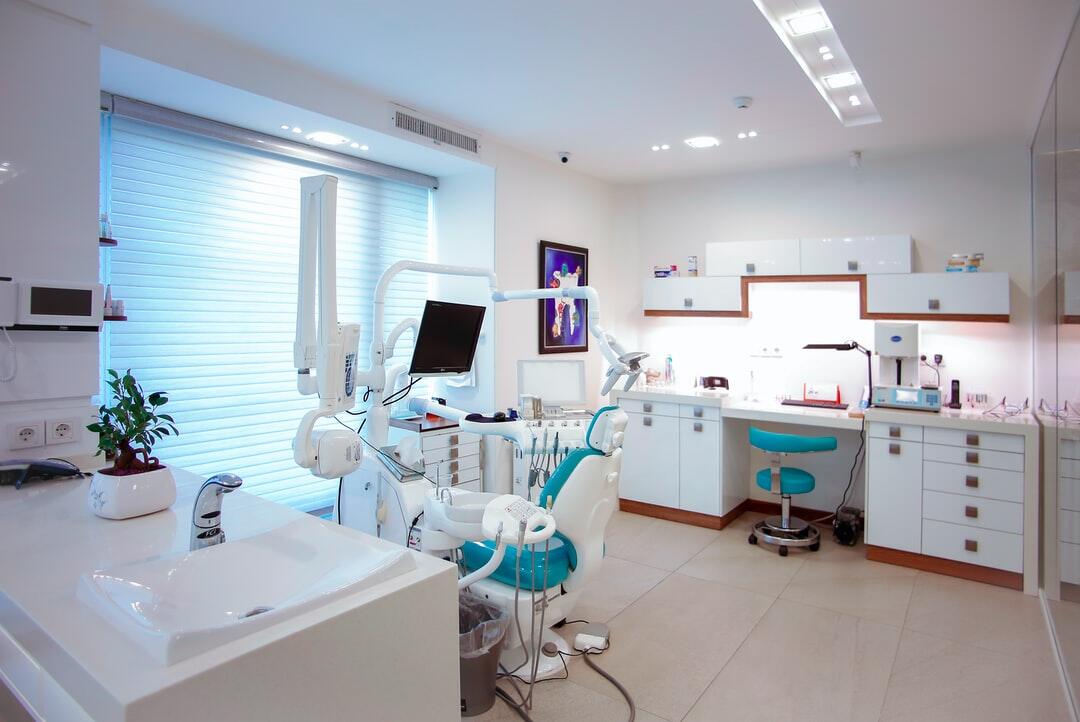
Purchasing a dental practice is a monumental milestone for any dental professional. Whether you are looking to enter the dental industry or expand your current footprint, buying an established practice offers a direct path to professional autonomy and long-term financial growth. However, this transition is a complex venture that requires far more than just clinical expertise; it demands an acute understanding of business operations and market dynamics. To ensure long-term viability and success, buyers must carefully evaluate several critical elements before signing on the dotted line.
Location and Demographics
One of the most vital factors to evaluate is the geographic location of the practice. The community where your clinic is situated will dictate your patient base, growth potential, and day-to-day competition. A thorough analysis of local demographics can reveal whether the area has a growing population or an underserved market. Furthermore, you must look closely at competing practices in the immediate vicinity. Evaluating clinic pricing nearby your town and comparing different operational models can provide deep insight into what patients expect and what the local market can bear. Whether choosing a thriving suburb or a busy downtown area, ensuring the location aligns with your long-term goals is essential.
Financial Health and Cash Flow
Behind every patient smile is a business ledger that must be meticulously scrutinized. A practice’s financial health is the foundation of your investment. Potential buyers should request three to five years of profit and loss statements, tax returns, and production reports. Key metrics to analyze include gross revenue, overhead expenses, and true cash flow. Is the practice steadily growing, or is its revenue declining? Additionally, examine the active patient count-defined as patients who have visited the clinic within the last 12 to 18 months. A clinic with high revenues but excessive overhead might be less profitable than a leaner practice. Understanding this financial structure ensures the business can comfortably cover debt service payments while supporting your income.
Equipment, Technology, and Goodwill
The physical and intangible assets of the practice also carry significant weight. When touring the facility, note the condition of clinical equipment like X-rays, chairs, and sterilization systems. If the technology is outdated, you must factor the cost of immediate upgrades into your purchasing budget. Beyond physical assets, you are buying “goodwill”-the established reputation and patient loyalty built by the previous owner. High goodwill ensures a smoother transition because patients already trust the existing environment. Retaining experienced staff, such as hygienists and front desk team members, is also crucial for maintaining continuity and patient retention after ownership changes hands.
Seeking Professional Guidance
Navigating the intricacies of a dental transition requires specialized expertise. Trying to manage valuations, legal contracts, and financial due diligence on your own can lead to costly mistakes. Seeking professional guidance from experienced dental practice brokers and consultants is one of the smartest decisions a buyer can make. These experts understand the nuances of dental practice sales, helping you structure a fair deal, secure favorable financing, and minimize transition friction. Having the right team in your corner allows you to confidently navigate the buying process and set yourself up for immediate success.
Conclusion
Acquiring a dental practice is a rewarding endeavor that can elevate your professional career to new heights. By prioritizing location, assessing financial health, and evaluating practice assets, you can make an informed, strategic investment. Remember that you do not have to walk this path alone, as expert consulting makes all the difference. If you are ready to find professional guidance to enter or expand in the dental industry, visit 2740 Consulting to explore premium dental practices for sale and secure your future today.
