
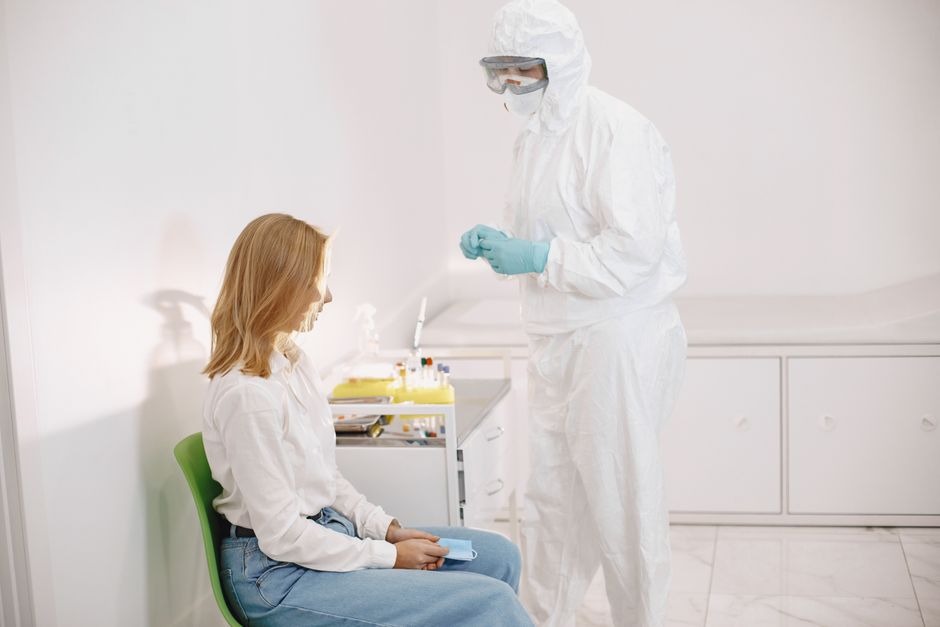
Picking a health screening center can feel a bit like choosing a mechanic when you don’t know much about engines. You mostly want honesty, clarity, and the sense that people know what they’re doing. The good news is that you don’t need a medical degree to notice the signs of a well-run place. If you know what to look for, you can feel more confident about where you go and what kind of care experience you’re likely to have.
First Impressions Matter
You start forming an opinion the second you walk in. That first moment matters more than people think. A trustworthy screening center usually feels organized, calm, and easy to understand.
Look at the basics first. Is the front desk welcoming without being chaotic? Are the signs clear enough that you don’t feel like you’re on a treasure hunt just to find the waiting room? Clean floors, tidy counters, and a comfortable seating area may seem small, but they say a lot about daily standards.
You can also notice how staff interact with people. If they greet patients kindly, explain delays, and speak with patience, that’s a strong sign. Good care often starts with good communication.
A center doesn’t need to look fancy to feel reliable. It just needs to feel thoughtful. When a place is clean, easy to navigate, and respectful of your time, it usually creates a better experience from the start.
Tools Behind Better Answers
You may not know the name of every machine in a screening center, and that’s completely fine. What matters is whether the facility uses current, well-maintained tools that help the care team get clearer answers.
For example, advanced imaging systems such as Pet/CT Equipment can help providers see how the body is functioning as well as what it looks like structurally. In simple terms, that can make it easier to detect certain issues earlier or evaluate them with more confidence. It’s a little like switching from a blurry photo to one that actually lets you see the details.
Modern equipment alone doesn’t make a center great, but it does matter. Updated tools can support more accurate imaging, smoother workflows, and in some cases shorter appointment times.
If a center is open about the technology it uses and explains its purpose in everyday language, that’s usually a good sign. Clear answers and better tools tend to go hand in hand.
Staff Communication Counts
Even the best technology can feel intimidating if nobody explains what’s happening. That’s why communication is such a big part of a trustworthy screening experience.
You should be told what to expect before your visit, when to arrive, and whether you need to avoid food, drinks, or certain medications. If those details are vague, stress can sneak in fast. Nobody wants surprise instructions five minutes before a test.
During the visit, good staff members usually explain each step in plain language. They don’t bury you in medical words or rush through directions like they’re trying to beat a stopwatch. They pause, check that you understand, and answer questions without making you feel awkward.
Pay attention to tone as much as information. Friendly, respectful communication builds trust quickly. If people speak clearly and treat your concerns like they matter, the whole visit feels more manageable.
A center that communicates well often feels more professional overall. And honestly, that peace of mind is worth a lot.
Comfort During The Visit
Comfort may not sound as important as medical accuracy, but it shapes your entire experience. When you’re nervous, even small details can feel huge.
Start with the waiting area. Is it overcrowded and noisy, or reasonably calm? Are wait times explained, or are people left guessing? A little transparency goes a long way when you’re sitting there watching the clock like it personally offended you.
Privacy matters too. Check whether conversations at the desk are handled discreetly. Screening centers deal with personal health information, so the setting should feel respectful and secure.
Then there’s the testing environment itself. Imaging rooms and medical machines can look a bit space-age, which is cool until you’re the one walking toward them. Good staff help by explaining what the machine does, how long the process takes, and what sensations you might notice.
A comfortable visit doesn’t mean luxury. It means fewer surprises, more reassurance, and a setting that helps you stay calm while getting the care you need.
Safety You Can Notice
Some parts of safety happen behind the scenes, but plenty of signs are visible to you. A well-run screening center usually shows its standards in everyday routines.
Watch how the staff handle sanitation. Are surfaces cleaned regularly? Do team members follow clear hygiene practices? Are rooms reset between patients in a way that feels thorough rather than rushed? These details matter because consistency often reflects the overall culture of care.
You can also notice whether appointments seem organized. When patient flow is managed well, records are handled carefully, and instructions are given clearly, it suggests the center takes responsibility seriously.
Protective practices matter too, especially in shared spaces. That may include proper disposal of supplies, respectful distancing when needed, and attention to patient privacy.
You don’t need to inspect the place like a detective in a hospital drama. Just observe whether the center feels careful, orderly, and attentive. When safety practices are visible, trust tends to follow naturally.
Questions Worth Asking
If you’re deciding where to book, asking a few smart questions can save you stress later. You don’t need to sound like an expert. Simple questions work just fine.
Here are a few worth using:
- What should you do to prepare before the appointment?
- How long does the visit usually take?
- Will someone explain the procedure before it starts?
- What kind of imaging or screening technology is used?
- When and how will results be shared?
- Who should you contact if you have questions afterward?
You can also ask how the center helps patients who feel nervous or uncomfortable during imaging. That one matters more than people admit.
A trustworthy center should answer calmly and clearly. If responses are vague, rushed, or overly complicated, that may tell you something.
Good screening care isn’t only about machines and reports. It’s also about whether you feel informed, respected, and looked after from start to finish. That’s the kind of place worth choosing.
