
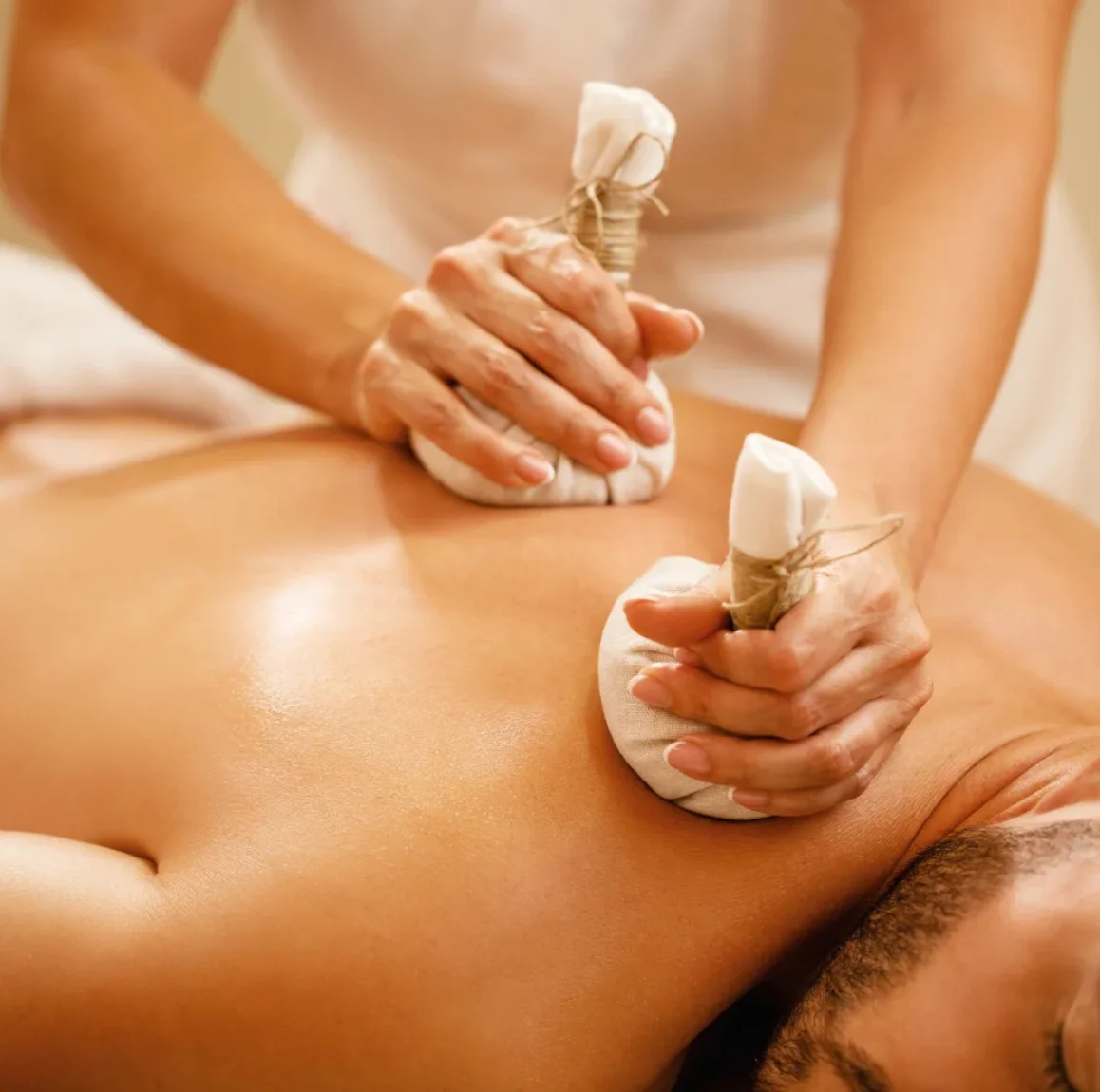
Panchakarma is a traditional Ayurvedic therapy designed to support the body’s natural cleansing and rejuvenation processes. It is generally recommended as part of a broader wellness approach to help restore balance, improve overall health, and support long-term well-being.
Unlike a single treatment session, Panchakarma is a structured program that usually includes preparation, cleansing procedures, and post-treatment care.
Understanding what happens before, during, and after Panchakarma therapy can help individuals prepare for the experience and set realistic expectations. While treatment plans vary depending on individual needs, the overall process focuses on promoting physical, mental, and emotional wellness.
What Is Panchakarma Therapy?
Panchakarma is a specialized Ayurvedic treatment approach that consists of several therapeutic procedures intended to eliminate accumulated toxins and restore balance within the body.
The term “Panchakarma” translates to “five actions,” referring to five primary cleansing techniques used in traditional Ayurvedic practice.
The Main Goals of Panchakarma
Panchakarma is often used to:
- Support detoxification
- Promote digestive health
- Improve energy levels
- Encourage relaxation
- Support stress management
- Enhance overall wellness
Treatment recommendations are personalized based on an individual’s health status, constitution, and wellness goals.
Is Panchakarma Suitable for Everyone?
Not everyone is an ideal candidate for Panchakarma therapy. Factors such as age, medical history, pregnancy status, and overall health may influence eligibility.
A qualified Ayurvedic doctor usually conducts a detailed assessment before recommending a treatment plan.
Preparing for Panchakarma Therapy
Preparation is an important part of the Panchakarma process. Before the main cleansing procedures begin, the body is generally prepared through specific dietary and therapeutic interventions.
This preparation phase helps optimize the effectiveness of the treatment.
Common Pre-Treatment Preparations
Preparation may include:
- Dietary modifications
- Herbal supplements
- Oil applications
- Gentle massage therapies
- Lifestyle recommendations
The duration of preparation varies depending on the individual’s condition and treatment objectives.
Dietary Guidelines Before Treatment
Many Panchakarma programs encourage:
- Eating easily digestible foods
- Staying hydrated
- Reducing processed foods
- Avoiding alcohol and tobacco
- Limiting heavy or oily meals
Following these recommendations may help prepare the digestive system and support the treatment process.
What Happens During Panchakarma Therapy?
The active phase of Panchakarma consists of therapeutic procedures selected according to the individual’s needs. Treatment plans are highly personalized and may vary from person to person.
Sessions are generally conducted under the supervision of trained Ayurvedic doctors.
Common Panchakarma Procedures
Depending on the treatment plan, procedures may include:
- Therapeutic oil massage
- Herbal steam therapy
- Nasal cleansing techniques
- Specialized cleansing therapies
- Herbal treatments
Each procedure serves a specific purpose within the overall Panchakarma program.
The Treatment Environment
Panchakarma is usually performed in a calm and structured environment. Many individuals report feeling relaxed during treatment sessions, particularly when therapies involve massage, steam applications, and guided wellness practices.
Experienced Ayurvedic specialists, including those providing the best panchakarma treatment in Hyderabad, emphasize that treatment experiences and outcomes can vary depending on an individual’s health condition, constitution, and therapeutic goals.
Physical and Emotional Responses During Therapy
As the body adjusts to Panchakarma procedures, individuals may notice various physical and emotional responses. These reactions are monitored closely by Ayurvedic doctors throughout the treatment process.
Experiences differ significantly from one person to another.
Common Physical Experiences
Some individuals may notice:
- Changes in digestion
- Temporary fatigue
- Increased bowel movements
- Altered appetite
- Mild body discomfort
These experiences may occur as part of the body’s response to dietary changes and therapeutic interventions.
Emotional and Mental Responses
Because Panchakarma emphasizes holistic wellness, some people also report:
- Improved relaxation
- Emotional release
- Increased mindfulness
- Better mental clarity
- Enhanced sense of well-being
Open communication with the doctor is important throughout the treatment process.
What to Expect Immediately After Panchakarma
The period following Panchakarma is referred to as the recovery or rejuvenation phase. During this time, the body gradually adjusts after completing the cleansing procedures.
Proper post-treatment care is considered an important part of achieving the desired outcomes.
Dietary Recommendations After Treatment
Individuals are usually encouraged to:
- Gradually return to regular meals
- Eat simple, nourishing foods
- Stay hydrated
- Avoid overeating
- Limit processed foods initially
These recommendations help support digestion and allow the body to transition smoothly after treatment.
Activity and Lifestyle Guidelines
Doctors may also recommend:
- Adequate rest
- Gentle physical activity
- Stress reduction practices
- Consistent sleep schedules
- Ongoing wellness routines
Following these guidelines may help support recovery and overall well-being.
Potential Benefits After Panchakarma Therapy
Many individuals choose Panchakarma as part of their long-term wellness plan. Reported benefits vary depending on the person’s health status, treatment program, and lifestyle habits.
The focus is generally on improving overall balance and supporting healthy daily functioning.
Potential Wellness Benefits
Some individuals report:
- Improved digestion
- Better energy levels
- Enhanced sleep quality
- Reduced stress
- Greater mental clarity
- Improved sense of well-being
It is important to remember that individual experiences can vary, and results may not be the same for everyone.
Long-Term Wellness Support
Panchakarma is usually viewed as one component of a broader wellness strategy that includes healthy eating, physical activity, stress management, and ongoing self-care practices.
Maintaining these habits may help support long-term health goals.
Tips for Maximizing Your Panchakarma Experience
Proper preparation and follow-up care can contribute to a more positive experience during and after treatment.
Helpful Recommendations
Consider the following tips:
- Follow the doctor’s instructions carefully
- Be consistent with dietary recommendations
- Allow sufficient time for rest
- Stay hydrated throughout the process
- Maintain realistic expectations
- Communicate openly about any concerns
A collaborative approach can help ensure that the treatment plan is tailored appropriately to individual needs.
Conclusion
Panchakarma therapy is a structured Ayurvedic approach that includes preparation, cleansing procedures, and post-treatment care. While individual experiences vary, the process is designed to support overall wellness, balance, and rejuvenation.
Understanding what to expect before, during, and after Panchakarma can help individuals prepare for the experience and actively participate in their wellness journey. Working with qualified Ayurvedic doctors and following recommended guidelines can contribute to a safer and more effective treatment experience.
Frequently Asked Questions
1. How long does Panchakarma therapy usually last?
The duration varies depending on the individual’s needs and treatment goals. Some programs may last several days, while others can extend for multiple weeks based on the doctor’s recommendations.
2. Is Panchakarma therapy painful?
Most Panchakarma procedures are generally well tolerated. Some individuals may experience temporary discomfort due to dietary changes or cleansing processes, but treatments are usually performed under professional supervision.
3. What should I eat after Panchakarma therapy?
Simple, easily digestible foods are normally recommended after treatment. Gradually returning to a regular diet while maintaining healthy eating habits may help support recovery and digestive comfort.
4. Can Panchakarma help with stress management?
Many people report feeling more relaxed and mentally refreshed after Panchakarma. The therapy includes practices that promote relaxation, mindfulness, and overall emotional well-being as part of a holistic approach.
5. How often can Panchakarma be performed?
The frequency depends on individual health needs, goals, and practitioner recommendations. Some individuals undergo Panchakarma periodically as part of their wellness routine, while others may require less frequent treatments.
