
Introduction
As technology continues to reshape the fabric of modern work, a new form of exhaustion is emerging in offices and remote workspaces alike: digital burnout. Thanks to ever-present screens and an always-on mindset, our boundaries between professional and personal lives are slipping away, leading to relentless mental strain and elevated stress levels. The pervasive expectation of being connected at all times makes it easier than ever to overlook the need for rest and reflection, as thousands search for solutions and tools to manage stress. Leading innovations, such as shift browser challenges digital burnout, offering new ways to push back against constant digital engagement and reclaim focus.
Digital burnout’s prevalence now mirrors that of traditional workplace fatigue, affecting employees in every sector and role. This new strain does not simply leave individuals feeling tired. Instead, it sparks a complex mix of physical discomfort, mental tension, and emotional weariness, all stemming from our digital lives. If left unaddressed, digital burnout can do lasting harm to both individual well-being and organizational performance.
Understanding Digital Burnout
Digital burnout encompasses the unique mental and physical exhaustion caused by continual use of digital devices and persistent online interaction. Unlike traditional burnout, rooted in excessive physical labor or unrealistic workloads, digital burnout often develops gradually due to prolonged screen time, information overload, and nonstop communication demands. Key symptoms include headaches, eye strain, difficulty concentrating, irritability, and trouble sleeping. Over time, these issues can become chronic, making balancing daily work and family life even harder.
Causes of Digital Burnout
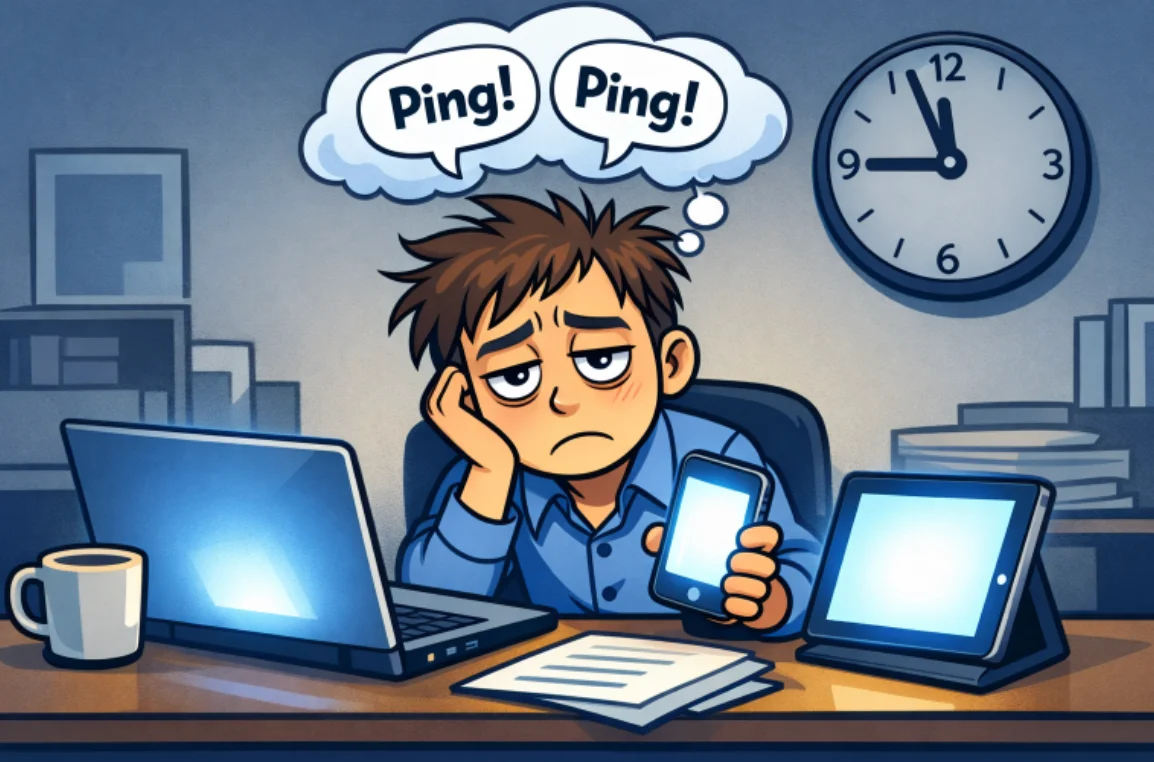
- Constant Notifications: Smartphones, computers, and wearables disrupt focus with their never-ending alerts and pings. This can create anxiety and break up periods of deep concentration, ultimately draining mental reserves.
- Multitasking: Simultaneously juggling email, chats, project management dashboards, and social media increases cognitive load. Instead of working more efficiently, employees are more likely to feel scattered and make errors.
- Lack of Boundaries: The modern workplace expects workers to remain available, even outside regular hours. This persistent connectivity blurs the line between work time and downtime, reducing the quality of rest and personal relationships.
Impact on Employee Well-being
Research has shown that digital burnout negatively affects nearly every dimension of employee well-being. People experiencing burnout are likely to feel more stressed, less engaged at work, and more prone to calling in sick or seeking time off due to mental fatigue. According to a 2024 report, 62% of respondents reported experiencing digital burnout at least occasionally, with the highest rates among tech workers and younger generations. Persistent digital fatigue can also lead to anxiety, depression, and even physical ailments like migraines or back pain, compounding its long-term impact.
Beyond the personal toll, unchecked burnout can also undermine social connections and create a cycle in which exhausted employees contribute to a less supportive or creative work environment. Teams experiencing chronic burnout may see collaboration and job satisfaction decline, eroding workplace morale and trust.
Effects on Productivity
Digital burnout extends well beyond individual health, weighing heavily on organizational productivity as well. Exhausted employees are more likely to make mistakes, lose attention during important meetings, or miss critical deadlines. Over time, sustained burnout leads to higher turnover rates, greater absenteeism, and increased recruitment costs, all of which threaten a company’s bottom line.
According to a Harvard Business Review study, digitally overwhelmed workers often adopt reactive work patterns, further reducing output and creativity. This pattern can create a vicious cycle in which reduced productivity leads to even longer hours spent online, amplifying stress across entire teams.
Strategies to Mitigate Digital Burnout
- Implement Digital Detox Periods: Encouraging regular screen breaks is vital for mental health. Even simple measures, like standing up and stretching or stepping outdoors, can reduce eye strain and break up periods of unbroken focus.
- Set Clear Communication Boundaries: Establishing guidelines for after-hours communication can reinforce work-life balance. This might include curbing non-urgent messages after business hours or encouraging the use of “do not disturb” features during personal time.
- Promote Mindfulness Practices: Incorporating stress-reduction techniques such as meditation, breathing exercises, or yoga into the workday helps support employees’ mental resilience and motivation.
- Provide Training on Digital Tools: Proper onboarding and ongoing training ensure that employees use digital platforms efficiently, reducing unnecessary multitasking, minimizing errors, and streamlining online communication.
The Role of Leadership
Leadership has a profound influence on how organizations manage digital engagement and employee well-being. When executives, managers, and team leads model healthy boundaries by limiting after-hours emails, prioritizing mental health resources, and openly discussing challenges, they set a positive example for the entire team. Fostering a culture of trust where employees feel empowered to unplug leads not only to better morale but also to improved performance and loyalty.
By investing in regular wellness check-ins, offering flexibility in how and when work gets done, and openly supporting healthy digital habits, leaders can transform the modern workplace for the better.
Final Thoughts
Digital burnout is becoming just as pervasive as traditional workplace fatigue in today’s digital-first workspace. Fortunately, by identifying key triggers and proactively promoting healthy digital behaviors, both employees and organizations can reduce the damaging impact of chronic digital exhaustion. Prioritizing regular digital detoxes, encouraging clear work boundaries, and fostering a supportive leadership culture are essential steps to protecting both personal well-being and company productivity in the years ahead.

David Weber is an experienced writer specializing in a range of topics, delivering insightful and informative content for diverse audiences.
This is one of my go-to blogs for inspiration Whether it’s fashion, travel, or self-improvement, you cover it all flawlessly