
Lithium power stations are replacing lead-acid systems because they deliver more usable energy in less space, charge much faster, and last far longer. For home backup, mobile work, camping, and everyday emergency use, these advantages make a clear difference in convenience and long-term value. Lead-acid batteries still serve some fixed applications, but their heavier weight, lower efficiency, and shorter cycle life limit flexibility. Lithium, especially LiFePO4 chemistry, better matches how people use portable and backup power today: frequent charging, reliable output, and easier handling across many situations.
Energy Density and Weight Advantages
Higher Energy Storage in Smaller Size
One of the biggest reasons lithium power stations are replacing lead-acid systems is energy density. Lithium batteries store more energy for the same physical footprint, which allows manufacturers to build compact units without sacrificing practical runtime. Lead-acid systems need much more bulk to deliver comparable capacity, so they take up more room in vehicles, homes, and job sites. This smaller form factor improves placement flexibility and makes storage simpler. For users who want backup power without dedicating significant space, lithium offers a cleaner, more efficient solution with fewer design compromises overall.
Portability Benefits for Daily and Outdoor Use
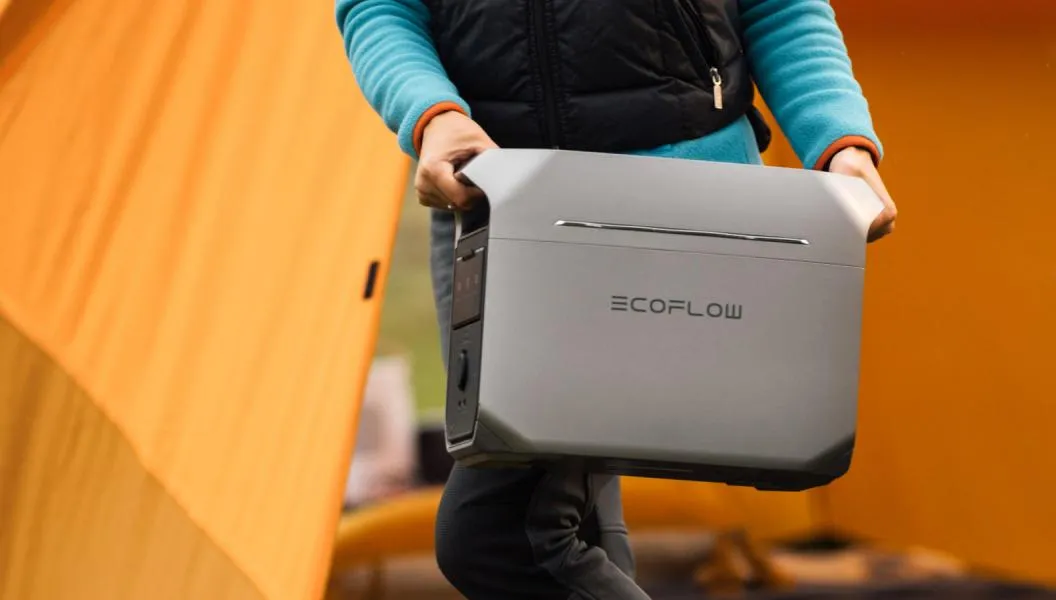
Weight matters whenever a power station needs to move from place to place. Lithium systems are far easier to carry than lead-acid setups with similar usable output, which makes them better suited for camping, tailgating, outdoor work, and emergency relocation. A lighter unit is also easier to lift into a car, store on a shelf, or reposition around the house. For example, the EcoFlow DELTA 3 Plus Portable Power Station has a net weight of 12.5 kg, giving users meaningful power in a format that feels manageable instead of cumbersome during regular use.
Longer Lifespan and Cycle Performance
More Charge Cycles Over Time
Lithium power stations usually deliver far more charge and discharge cycles than lead-acid batteries, which directly improves long-term value. While lead-acid capacity tends to decline sooner under repeated use, lithium chemistry is built for regular cycling without rapid wear. That makes lithium a better fit for people who recharge often, whether for backup readiness, solar storage, or portable energy needs. Third-generation LiFePO4 cells in the EcoFlow DELTA 3 Plus are rated for 4000 cycles to 80% capacity, supporting up to 10 years of reliable use and reducing the need for early battery replacement.
Stable Capacity Across Usage Cycles
Beyond total cycle count, lithium batteries maintain performance more consistently across repeated use. Lead-acid systems often show noticeable voltage drop, reduced usable capacity, and weaker performance as they age, especially when discharged deeply. The lithium power station provides steadier output over many cycles, which helps connected devices run more predictably. That consistency matters for appliances, electronics, and tools that depend on stable power delivery. Users get a battery that feels dependable not only when new, but also after years of routine charging and discharging, making lithium a stronger long-term investment.
Faster Charging and Higher Efficiency
Reduced Charging Time Compared to Lead-Acid
Charging speed is another major reason lithium power stations are replacing lead-acid systems. Lead-acid batteries typically require long, careful charging periods to avoid damage and often take many hours to refill fully. Lithium units accept power much faster, so users can restore capacity quickly between outages, road trips, or work sessions. This shorter charging window improves readiness and reduces downtime. For people who rely on portable power regularly, faster charging is not just a convenience; it changes how practical the system feels in real-world use, especially during tight schedules or sudden emergencies.
Lower Energy Loss During Operation
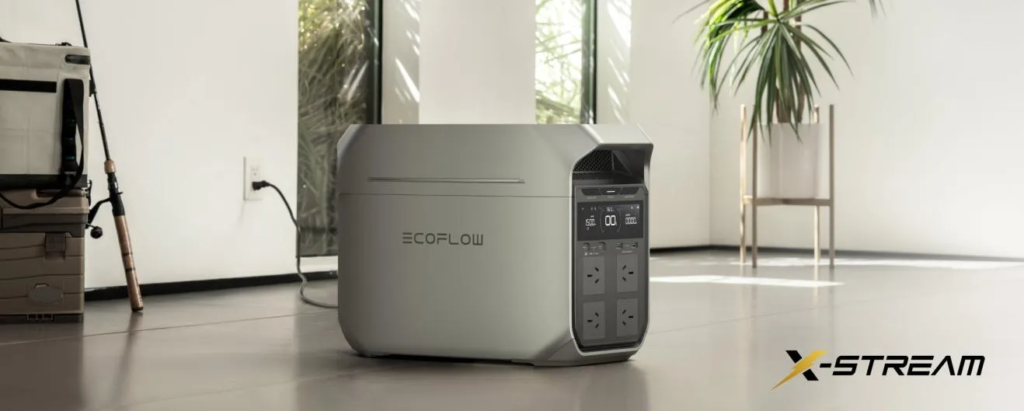
Lithium systems also operate more efficiently than lead-acid batteries, which means more of the stored energy becomes usable output instead of being lost during charging, discharging, and standby operation. Higher efficiency supports longer effective runtimes from the same nominal capacity and reduces wasted electricity over time. Lead-acid batteries are more prone to conversion losses and performance drops under heavier loads, which can make them less economical in repeated use. Better efficiency also pairs well with solar input, helping users capture and use more of the power they generate rather than losing it in the process.
Maintenance and Safety Improvements
Low Maintenance Requirements
Lithium power stations require far less maintenance than lead-acid systems, which often need more careful charging habits, proper ventilation, and closer attention to storage conditions. Traditional lead-acid batteries can also suffer more when left partially charged for extended periods, adding extra upkeep concerns. Lithium units are generally simpler to own: recharge them, store them properly, and use them as needed. That lower-maintenance experience is especially valuable for homeowners who want emergency backup ready at all times and for outdoor users who prefer equipment that works reliably without frequent checks, adjustments, or battery care routines.
Built-in Battery Protection Systems
Modern lithium power stations also improve safety through advanced battery management systems. Instead of relying only on external precautions, they include built-in electronics that actively monitor performance and reduce operational risk. The EcoFlow DELTA 3 Plus uses a BMS with over 40 protective measures covering current, voltage, temperature, and circuit risks. Its intelligent management systems and thermal runaway propagation protection are designed to help prevent explosions and fires. Compared with older battery setups, this level of integrated monitoring gives users stronger protection, better system control, and greater confidence during everyday charging and operation.
Conclusion
Lithium power stations are replacing lead-acid systems because they solve the biggest problems that limit older battery technology. They store more energy in a smaller package, weigh less, charge faster, waste less power, and maintain useful capacity over many more cycles. They also reduce maintenance demands and add stronger built-in safety controls. For users who need practical backup power at home or portable energy on the move, lithium offers a clear improvement in convenience, reliability, and long-term cost-effectiveness. That
