
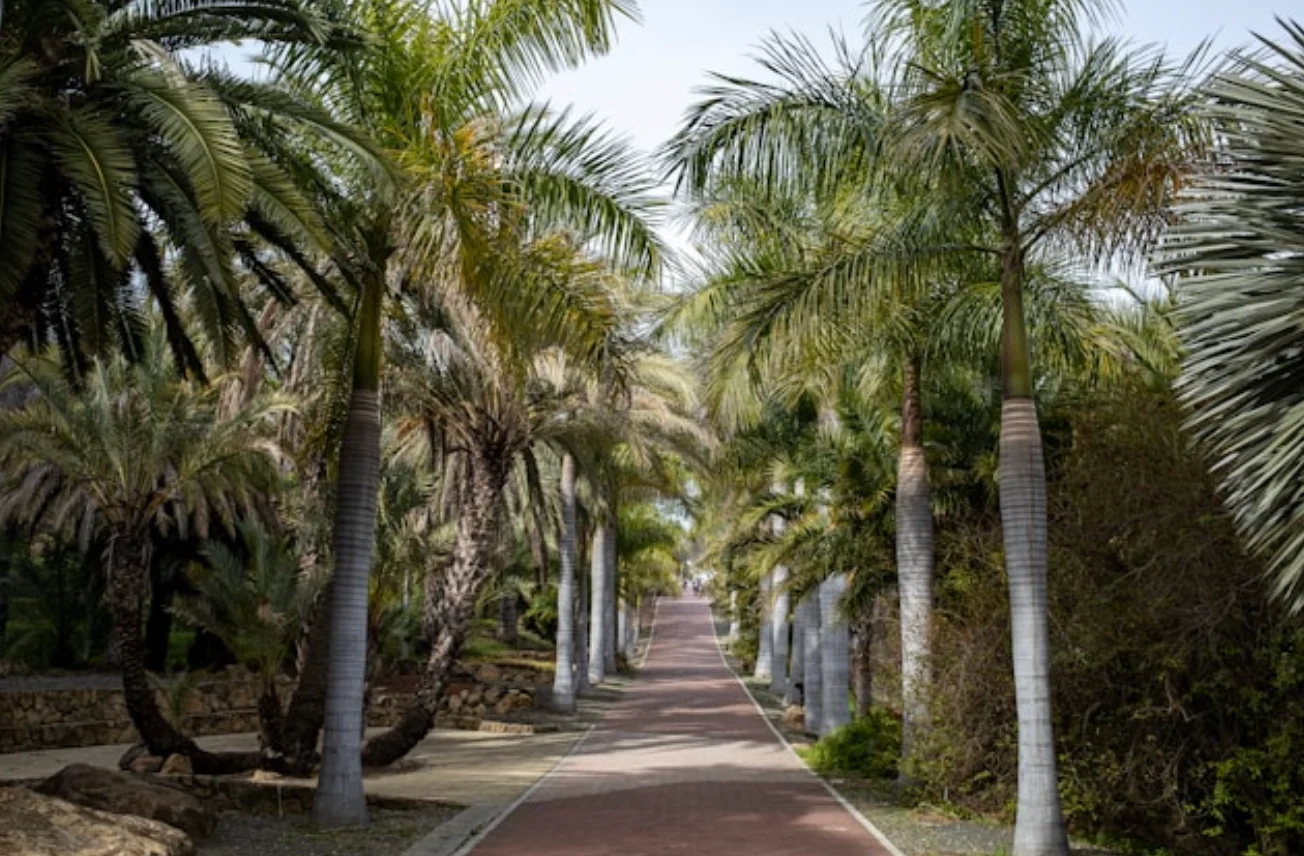
In the specialized field of landscape architecture, the transition from a “good” design to a “great” one often hinges on the designer’s mastery of biodiversity. For too long, commercial and residential projects relied on monocultures—rows of identical trees that, while aesthetically uniform, were ecologically fragile. Today, professional designers are shifting toward a “poly-culture” approach, utilizing a diverse palette of species to create a landscape that is not only beautiful but also self-shielding against pests, diseases, and the shifting climate of the subtropics.
A diverse canopy acts as a biological insurance policy. If a specific pathogen targets one species, a diverse landscape prevents the total loss of the property’s green infrastructure. This is particularly relevant in Florida, where the introduction of invasive pests can decimate poorly planned neighborhoods. By layering heights, textures, and growth habits, architects create a “living fabric” that provides structural interest through every season.
Why Are Native Palm Trees in Florida the Ideal Starting Point?
When building a diverse landscape, the first layer should always consist of the most resilient species available. Integrating native palm trees in Florida into the master plan provides a structural foundation that exotics simply cannot match. These palms are the “pioneer species” of the region; they are equipped to handle the high-pH limestone soils and the salt-laden winds that define the coastal environment.
Indigenous palms like the Sabal Palm (Sabal palmetto) and the Saw Palmetto (Serenoa repens) do more than just survive; they perform vital ecosystem services. They provide stable nesting sites for birds and support a complex network of local pollinators. From a design perspective, they offer a uniquely “Floridian” aesthetic—a sense of authenticity that grounds a modern structure in its natural geography. Using these as the backbone allows the designer to then introduce more delicate “accent” plants in the protected microclimates created by the native canopy.
How Do You Balance Aesthetics with Ecological Function?
A common question in high-end design is how to maintain a “manicured” look while still promoting biodiversity. The answer lies in the strategic use of specimen quality and spacing.
- The Focal Point Strategy: Use a single, magnificent specimen—like a Bismarck Palm or a Live Oak—as the primary visual anchor. This provides the “wow factor” that clients expect.
- The Layered Understory: Beneath your anchor trees, plant a mixture of mid-sized native trees and large shrubs. This layering breaks up sound waves and creates a privacy buffer that feels natural rather than forced.
- Textural Contrast: Pair the broad, glossy leaves of a Magnolia with the fine, feathery fronds of a Pindo Palm. This contrast keeps the eye moving and prevents the landscape from feeling “flat.”
To achieve this level of sophistication, sourcing is everything. Professional installers often collaborate with Treeworld Wholesale because they offer the variety and quality needed to execute complex, multi-species designs. When every tree is delivered with a healthy root system and a strong central leader, the design intent is realized much faster, and the mortality rate of the new installation drops significantly.
What Are the Hidden Benefits of a Diverse Canopy?
Beyond the obvious visual appeal, a diverse selection of trees provides tangible financial and environmental benefits to the property owner.
- Urban Heat Mitigation: Large shade trees, when interspersed with palms, create a cooling “evapotranspiration” effect. This can lower the surface temperature of driveways and patios by up to 15 degrees, making outdoor spaces usable even in the peak of summer.
- Soil Health: Different species have different root depths and nutrient requirements. A diverse planting plan prevents the soil from being “mined” of specific minerals, as often happens in monocultures. Nitrogen-fixing trees, like members of the Acacia family, can even improve the soil quality for their neighbors.
- Wind Protection: In a storm, a variety of tree heights and canopy densities breaks up wind currents more effectively than a single row of identical trees. This “wind-baffling” effect can protect the home’s windows and roof from the full force of a gale.
Designing for the “Mature” Landscape
The hallmark of a professional designer is the ability to see the landscape ten or twenty years into the future. It is easy to make a garden look good on the day of installation; the real challenge is ensuring it doesn’t become overcrowded or diseased a decade later. This requires a deep understanding of “mature spread” and growth rates.
By mixing slow-growing “legacy” trees like the Mahogany with faster-growing “filler” trees, you can provide the client with immediate impact while ensuring the long-term health of the permanent canopy. As the legacy trees grow, the fillers can be pruned or removed, allowing the majestic specimens to take center stage. This “successional” planning is what separates amateur gardening from professional landscape architecture.
A Commitment to Quality and Authenticity
In conclusion, the modern landscape is a fusion of art, science, and environmental stewardship. By choosing the right species—prioritizing those that belong in the local soil—and sourcing from reputable growers who understand the nuances of Florida’s flora, you create a space that is as resilient as it is beautiful. Whether you are aiming for a lush tropical oasis or a minimalist contemporary garden, the health of your trees is the ultimate measure of your project’s success. Always prioritize the structural integrity of your plant material, and your landscape will reward you with beauty and shade for generations.
Maintaining the long-term vitality of these outdoor spaces often requires ongoing care from professionals who understand local growth patterns and seasonal needs. Expert pruning and health assessments ensure that your diverse canopy continues to thrive without overcrowding or structural issues. For property owners seeking to preserve the health of their mature trees, partnering with a dedicated local provider like Sindt Tree Service can support the continued safety and aesthetic balance of the landscape. Regular oversight helps identify potential risks early, allowing your botanical investment to remain a resilient and vibrant asset for years to come.

David Weber is an experienced writer specializing in a range of topics, delivering insightful and informative content for diverse audiences.