
Introduction
Organizations today face unprecedented shifts in the way people work. From remote environments to hybrid teams and gig-based roles, the flexible workforce model is rapidly becoming mainstream. This fundamental change means that business leaders must develop thoughtful strategies grounded in modern human capital management principles to attract, engage, and retain top talent. Managing human capital effectively in a flexible setup enables organizations to adapt to rapidly evolving market demands while supporting employee well-being.
Human Capital Management extends beyond traditional HR administration to encompass the practices, technology, and analytics necessary to align workforce capabilities with organizational goals. As workplace flexibility accelerates, purpose-built HCM strategies help ensure that employees are not only productive but also empowered to grow and contribute in diverse work environments.
Strategic HCM elevates how human resources operate, shifting the focus from routine tasks to proactive talent management and planning. This is vital for accelerating innovation, addressing skill gaps, and maintaining a motivated workforce that thrives even amidst business uncertainty and new challenges.
Understanding Human Capital Management
Human Capital Management refers to a set of integrated strategies and processes for recruiting, onboarding, developing, and optimizing an organization’s talent pool. A modern HCM approach focuses on aligning HR practices with key business objectives, ensuring that every aspect of the people strategy directly supports broader organizational success. This includes everything from talent acquisition and workforce planning to learning, performance evaluation, and succession planning.
Key elements of HCM include leveraging data for strategic decision-making, using digital platforms to enhance employee engagement, and ensuring HR operations are responsive to the shifting needs of the business. These practices foster a high-performance culture and enable dynamic responses to changes in the business and external market environments.
Key Strategies for Managing a Flexible Workforce
Leveraging Technology and Data Analytics
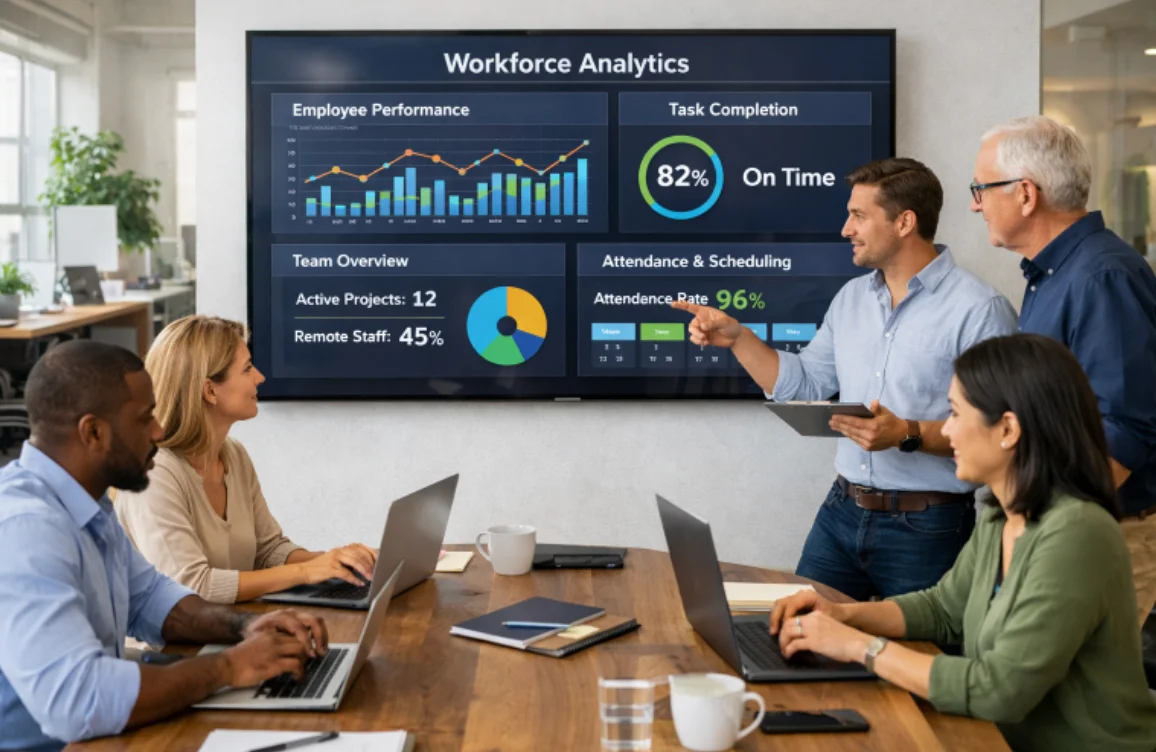
Using advanced HCM platforms and digital solutions streamlines essential HR tasks, including recruitment, onboarding, payroll, and performance reviews. Technology also plays a critical role in managing potentially distributed teams, automating workflow processes, and tracking employee engagement remotely. Data analytics empower HR leaders to make evidence-based decisions, from optimizing workforce scheduling to forecasting staffing needs and identifying emerging skill requirements. For example, with data-driven dashboards, leaders gain real-time visibility into workforce metrics, enabling them to promptly address issues such as attrition, absenteeism, and productivity gaps. This level of agility is especially important for organizations embracing remote or hybrid work structures.
Fostering Continuous Learning and Development
Continuous learning is essential to keeping employees versatile and ready to adapt to shifting job requirements and emerging technologies. Organizations should provide accessible, high-quality opportunities for professional growth, whether through online courses, blended workshops, mentorship, or on-the-job training. A clear commitment to learning not only supports upskilling and reskilling but also boosts morale and retention rates among employees who see career advancement pathways. Ongoing training investment reinforces a culture of innovation by encouraging employees to expand their expertise, share knowledge, and apply fresh ideas to business challenges. By prioritizing both formal and informal learning, organizations ensure staff remain adaptable and able to meet new challenges head-on, which is critical for operational resilience in today’s fast-paced work environment.
Implementing Flexible Work Policies
Flexible work options, such as remote roles, hybrid schedules, compressed workweeks, and adjustable start and end times, have become essential for meeting the varied needs of a diverse workforce. Organizations adopting these policies benefit from a larger talent pool, including individuals from different geographic locations and backgrounds. Additionally, flexibility enhances job satisfaction and work-life balance, leading to higher productivity and lower turnover. These policies should be transparent and consistently applied to ensure equity among all team members, regardless of work location or arrangement. Regularly reviewing and iteratively improving these frameworks will help organizations stay ahead as workforce expectations evolve. Incorporating employee feedback into the design and adjustment of flexible policies can further strengthen trust and demonstrate a commitment to an inclusive working environment.
Enhancing Employee Engagement and Well-being
Employee engagement and well-being are core drivers of sustained business performance. Organizations should create recognition programs, conduct regular surveys to collect feedback, and offer employee assistance programs that address both physical and mental health. An empathetic management approach alongside opportunities for social connection can help foster an inclusive and supportive workplace culture. Engaged employees are proven to be more innovative and committed to organizational missions, ultimately contributing to a stronger competitive advantage. Furthermore, organizations that prioritize honesty and transparent communication cultivate trust, which enhances team cohesion and helps prevent misunderstandings or disengagement among workers in flexible arrangements.
Challenges in Managing a Flexible Workforce
While flexible work models offer clear advantages, they also bring unique challenges. Maintaining communication and fostering collaboration can be difficult for virtual or distributed teams. Ensuring all employees have equal access to resources, development programs, and advancement opportunities requires an intentional, data-driven approach. Effective HCM strategies address these issues by promoting open dialogue, leveraging collaboration tools, and continually monitoring employee sentiment and performance across all work settings. Leadership must be proactive in supporting managers with the tools needed to navigate these changes, including comprehensive training on managing remote or hybrid teams and transparent policies that reinforce fairness and accountability. By continually reassessing the impact of flexibility on team dynamics, businesses are better equipped to eliminate barriers and unlock the full potential of every worker, regardless of their chosen work arrangement.
Conclusion
Organizations that embrace comprehensive Human Capital Management strategies are best positioned to master the complexities of a flexible workforce. By investing in technology, prioritizing continuous professional development, and maintaining a strong focus on employee well-being, businesses can successfully navigate ongoing change. These practices lay the groundwork for sustained growth, innovation, and a thriving organizational culture in the flexible future of work.

David Weber is an experienced writer specializing in a range of topics, delivering insightful and informative content for diverse audiences.