
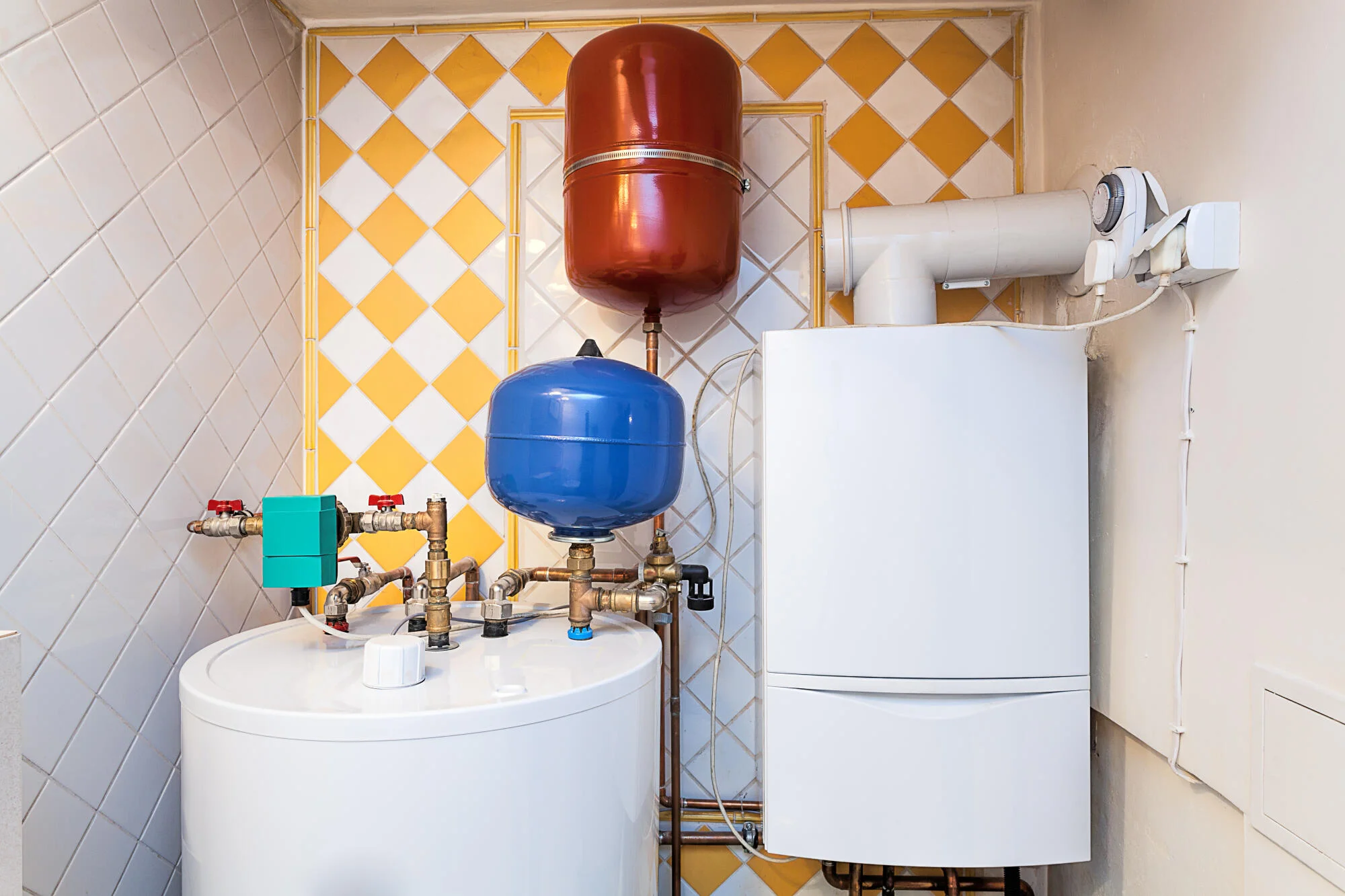
Water heating is one of the biggest energy costs in many homes. People use hot water every day for showers, washing dishes, laundry, and cleaning. A water heater that uses too much power can increase monthly utility bills without people noticing it.
Choosing an energy-saving water heating option can help lower costs over time. It can also reduce wasted energy and improve comfort at home. Many people only think about price when buying a water heater. However, efficiency, size, technology, and maintenance are also important.
Understanding what to look for can make the decision easier. The right choice can provide steady performance while helping control household expenses.
Understand Your Household Water Usage
Before choosing a water heater, think about how much hot water your family uses each day. A small household may not need a large system. A larger family may need a unit that can handle more demand.
Look at daily habits. Think about how many people shower each day. Consider laundry schedules and dishwasher use. These activities affect water heating needs.
Buying a system that is too large may waste energy. Buying one that is too small can lead to shortages and frustration.
Try tracking water use for a few weeks. This information can help narrow down options and prevent overspending.
Compare Different Water Heater Types
There are several types of water heaters available today. Each one has advantages and disadvantages.
Storage tank water heaters are common in many homes. They keep heated water ready for use. These systems are often affordable but may use more energy because they keep water warm all day.
Tankless water heaters heat water only when needed. They can reduce energy waste because they do not store heated water for long periods. Heat pump water heaters move heat instead of creating it directly. They often use less electricity than standard electric units.
Solar water heaters use sunlight to heat water. They can reduce energy bills but may cost more to install. Learning about different choices helps homeowners find a better match for their needs.
Look for Energy Efficiency Ratings
Efficiency ratings provide useful information when comparing models. Many water heaters include labels that show energy performance.
An efficient system uses less power while delivering the same results. This means lower utility costs over time. Pay attention to energy factors and operating costs. A cheaper model may cost more in the long run if it uses extra electricity or gas.
Lower monthly utility bills are a primary reason families opt for these upgrades. When systems operate optimally, household budgets are less burdened by utility spikes. To read more about keeping home comfort high and operational costs low, exploring professional cooling tips can provide great insights.
Modern equipment often includes technology that improves performance. Better insulation, smart controls, and improved heating methods can help save energy. Taking time to compare ratings can prevent expensive mistakes.
Choose the Right Size System
Size matters when choosing a water heater. A system that matches household demand performs better and wastes less energy. For storage tank models, capacity matters. Families with greater water needs may require larger tanks.
Tankless units often use flow rates to determine performance. The flow rate measures how much hot water the unit can deliver at one time. Some homeowners choose larger units thinking they will save trouble later. However, oversized equipment may increase operating costs.
Small systems may struggle during busy times. Large systems may consume more energy than necessary. Finding the right balance supports comfort and efficiency.
Think About Installation Costs and Long-Term Savings
Some water heating options cost more upfront but save money over time. Looking only at purchase price may not provide the full picture.
Installation costs vary depending on the type of unit and home layout. Some systems need extra plumbing or electrical work. Energy-efficient equipment may cost more initially. However, lower utility bills can help recover that investment.
Think about long-term ownership costs. Include repairs, maintenance, and energy use when comparing options. Many homeowners discover that spending more at the beginning creates savings later. Careful planning supports better financial decisions.
Explore Smart Features and Modern Technology
New technology has improved water heating performance in many ways. Modern systems often include features designed to reduce energy waste. Programmable controls can adjust heating schedules. Some units allow homeowners to monitor usage through mobile apps.
Smart technology can help reduce heating during hours when hot water demand is low. Certain hot water systems include advanced sensors that improve temperature control and efficiency.
Leak detection features are also becoming more common. Early warnings can help prevent damage and costly repairs. Technology may increase initial costs, but it can improve performance and support lower monthly bills.
Check Maintenance Requirements
Maintenance affects performance and energy use. A neglected water heater may work harder and consume more power.
Some systems require regular inspections and cleaning. Sediment buildup inside storage tanks can reduce efficiency. Tankless systems may need descaling to maintain proper performance.
Check manufacturer recommendations before choosing a model. Some systems require more upkeep than others. Simple maintenance habits can improve lifespan and efficiency. Routine care may include:
- Checking valves
- Inspecting connections
- Flushing tanks
- Monitoring performance
Choosing equipment with manageable maintenance needs can make ownership easier.
Consider Fuel Sources Carefully
Water heaters use different fuel types. The fuel source affects operating costs and overall efficiency.
Electric water heaters are common and widely available. Gas systems may heat water faster in some homes. Solar options reduce dependence on traditional energy sources. Fuel prices vary by location. Availability also differs between communities.
Compare local energy costs before making a decision. Some homeowners focus only on purchase price and ignore fuel expenses. Long-term utility bills often matter more.
Work With Qualified Professionals
Professional advice can help homeowners avoid costly mistakes.
Experienced installers understand system requirements and safety standards. They can recommend options based on household size and water usage.
Improper installation may reduce performance and increase operating costs. A professional inspection can identify plumbing issues that affect efficiency. Ask questions before making a purchase. Request cost estimates and expected operating expenses.
Compare several opinions when possible. Reliable guidance supports smarter decisions and better long-term value.
Learn How to Choose Efficient Water Heating Options
Lower utility bills often start with better energy choices. Water heating systems play an important role in household energy use. Selecting an efficient option can reduce costs while improving daily comfort.
The best choice depends on family size, water usage, fuel availability, maintenance needs, and long-term goals. Looking beyond the purchase price can help homeowners make stronger decisions.
Energy-saving technology continues to improve. Taking time to compare options carefully can lead to lasting benefits. A thoughtful approach today can create lower bills and greater efficiency for years to come.
If you’d like to learn more, check out more articles on our blog.

David Weber is an experienced writer specializing in a range of topics, delivering insightful and informative content for diverse audiences.