
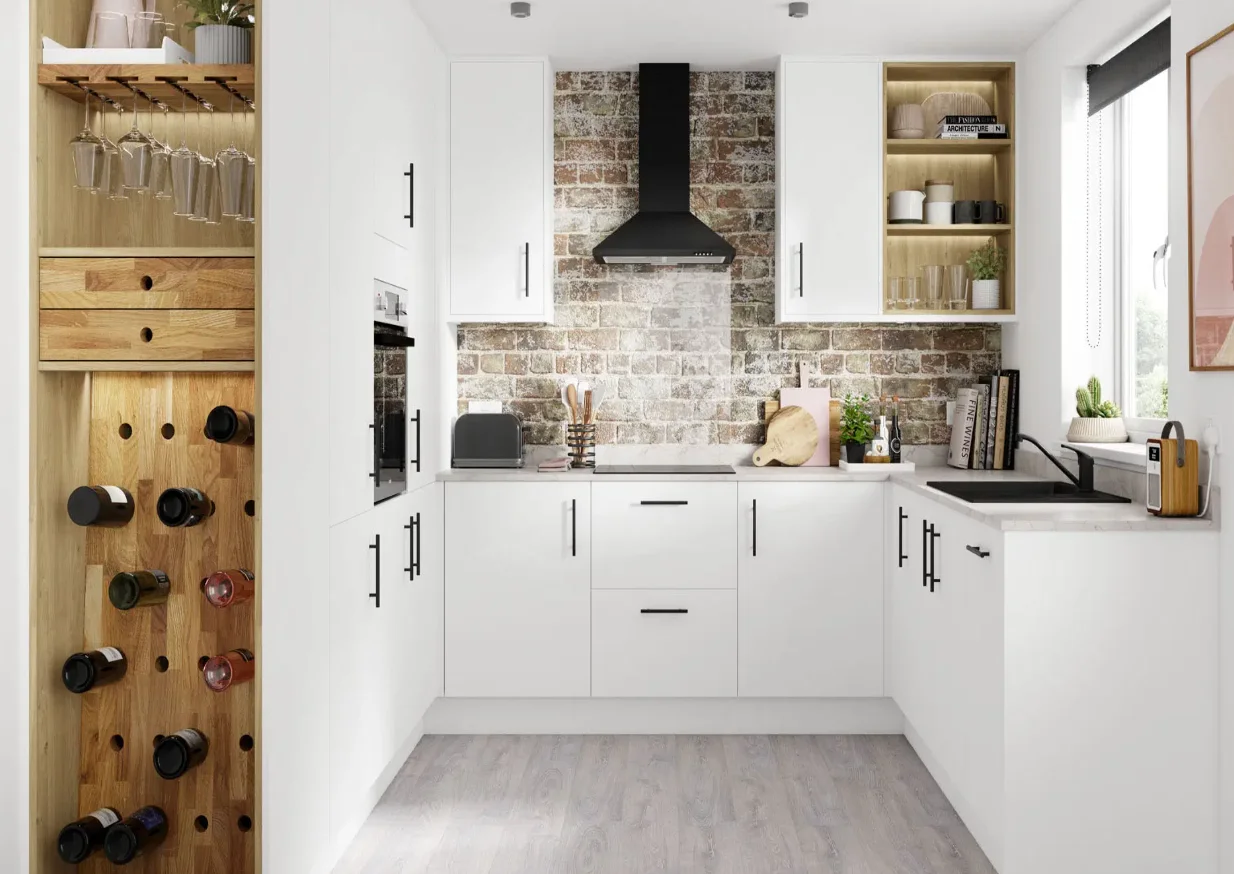
There’s a house in Richmond that was renovated two years ago. Beautiful kitchen. Marble worktops. Brass hardware. Herringbone oak floor. It photographs beautifully. The estate agent would love it.
But the family who lives there can’t reach the garden without walking through the entire kitchen. The morning sun hits the spare bedroom while the breakfast area sits in shadow until noon. The utility room is so far from the back door that muddy boots track through the hallway. And the island blocks the fridge door from opening fully.
It looks fantastic. It works terribly.
Three streets away, another renovation. Simpler finishes. Standard tiles. No marble. But the morning sun falls exactly on the breakfast table. The back door opens directly into a boot room. The island has clear space on all sides. And the whole ground floor flows from front door to garden without a single awkward turn.
That house doesn’t photograph as well. But the family living in it is happier. At Extension Architecture, we work as Richmond architects who prioritise how homes function over how they look in pictures. Here’s what that means in practice.
Function First. Always.
Pretty kitchens are everywhere. Kitchens that work properly are surprisingly rare. The difference is whether someone tested the layout against real daily routines before committing to it.
Can you unload shopping bags from the car to the kitchen without walking through the living room? Can two people cook simultaneously without colliding at the hob? Can a child reach the fridge for a glass of water without an adult moving out of the way? Can you see the garden from the sink?
These questions sound mundane. They’re the ones that determine whether you enjoy cooking in your kitchen or quietly resent it every evening.
Morning Routines Reveal Bad Design
The ultimate test of a floor plan is a weekday morning. Everyone is in a hurry. Everyone needs something from a different room. The bathroom is occupied. The toast is burning. Someone can’t find their shoes.
A well designed home absorbs this chaos. Clear routes between bedrooms and bathrooms. A hallway wide enough for two people to pass. A kitchen layout where making breakfast doesn’t block the route to the front door.
A badly designed one amplifies it. Bottlenecks at doorways. A single bathroom accessible only through the master bedroom. A kitchen island that blocks the path between the fridge and the back door.
Your architect simulates these morning patterns during the design stage. They walk through the layout mentally at 7.45am and identify where the collisions happen. Then they adjust before anything gets built.
Light Needs Planning Not Luck
Richmond gets good sunlight for much of the year. But plenty of renovated homes here waste it completely. Living rooms that face north. Kitchens with roof lights positioned over worktops nobody uses. Bedrooms where the window faces the neighbor’s wall.
Light planning starts with understanding your plot’s orientation. Where does morning sun enter? Where does evening warmth land? Which trees cast shadows and at what time of year?
Then the room layout responds to these facts. Breakfast area in the morning sun. The main living space catching afternoon and evening light. Bedrooms positioned for gentle morning brightness rather than harsh western glare.
A barn conversion in the countryside faces the same light planning challenges as a Victorian terrace in Richmond. The principles are universal. Only the specifics change.
Storage Solves More Problems Than Extensions
Half the frustrations London homeowners describe aren’t about space. They’re about stuff having nowhere to live. Coats on the back of chairs. Shoes in a pile by the door. Vacuum cleaner blocking the hallway. Sports equipment spilling out of a cupboard that’s too small.
Before extending, your architect should audit your storage situation. Where are the gaps? What needs a home? Can built in solutions within the existing footprint solve the problem without adding a single square metre?
Alcoves beside chimney breasts become floor to ceiling cupboards. Under stair voids become pull out shoe racks. Hallway walls gain hooks, shelves, and bench seating. Bathroom walls get recessed medicine cabinets instead of surface mounted ones that stick out into the room.
These interventions cost very little. But they remove daily irritations that no amount of marble worktops can fix.
The Best Richmond Renovations Are Invisible
You walk into a house that works properly and you don’t notice the design. You just feel comfortable. Everything is where you expect it. Light is where you need it. Routes between rooms feel natural. Storage exists where you look for it.
That invisibility is the highest compliment a renovation can receive. It means the architect spent enough time understanding how the family lives that the design disappears into daily life rather than demanding attention.
The houses that look amazing in photographs but frustrate their owners are the ones where aesthetics drove every decision. The ones that feel amazing to live in are the ones where function came first and aesthetics followed naturally.

At Engrnewswire, we are passionate about helping brands grow through smart SEO, GEO, and AEO strategies, supported by High-quality backlinks. With over 2k+ contributor accounts worldwide. We ensure your content reaches the right audience while building lasting authority.