
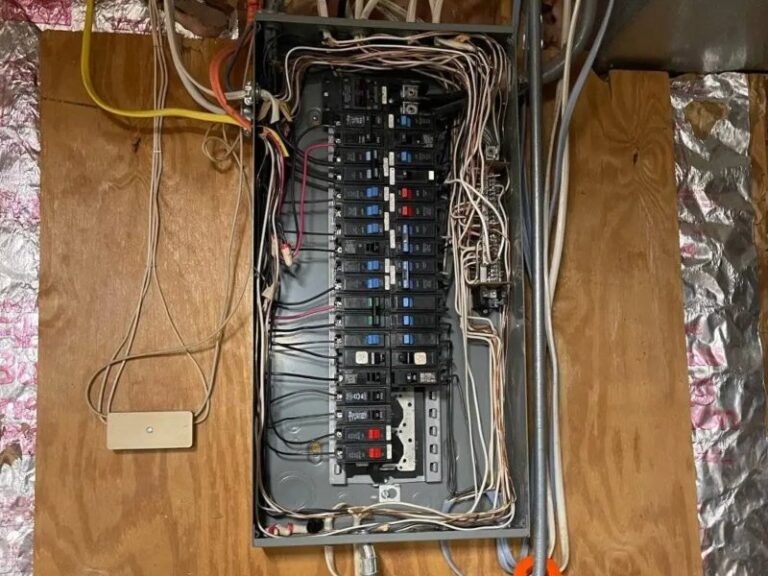
Electrical systems form the backbone of any home, supporting everything from lighting to advanced appliances. As technology continues to evolve, modern appliances demand more consistent and reliable power than older systems were designed to provide. Outdated wiring can struggle to meet these demands, leading to reduced performance, inefficiency, and potential safety concerns. Many homeowners are unaware that the issues they experience with appliances may be linked to aging electrical infrastructure rather than the devices themselves. Understanding how outdated wiring affects modern appliances highlights the importance of maintaining and upgrading electrical systems to meet current needs.
How Electrical Systems Influence Appliance Performance
- Limited Capacity and Power Distribution Issues
Older wiring systems were often designed to handle lower electrical loads, reflecting the simpler needs of earlier households. Today’s appliances, however, require more power and consistent voltage to operate efficiently. When outdated wiring cannot supply sufficient electricity, appliances may not perform as intended. This can result in slower operation, reduced functionality, or frequent interruptions. In some cases, homeowners consult Philadelphia, PA Electricians to evaluate whether their wiring can support modern electrical demands. Ensuring that wiring capacity aligns with appliance requirements is essential for maintaining reliable performance and avoiding unnecessary strain on both the system and the devices connected to it.
- Voltage Fluctuations and Inconsistent Operation
Voltage stability is critical for the proper functioning of modern appliances. Outdated wiring can lead to fluctuations that disrupt the flow of electricity, causing appliances to operate inconsistently. These fluctuations may result in flickering lights, irregular appliance behavior, or unexpected shutdowns. Sensitive electronic components in modern devices are particularly affected by voltage instability, which can reduce their lifespan and reliability. Addressing these issues often requires upgrading wiring to provide a more stable and consistent power supply. By improving voltage stability, homeowners can ensure that appliances function smoothly and efficiently.
- Increased Energy Consumption and Efficiency Loss
Outdated wiring can also contribute to higher energy consumption by reducing overall system efficiency. When electrical resistance increases due to aging materials or poor connections, more energy is required to deliver the same level of performance. This inefficiency can lead to higher utility bills and increased wear on appliances. Modern devices are designed to operate efficiently under optimal conditions, but outdated wiring can prevent them from achieving this level of performance. Upgrading electrical systems helps reduce energy loss and supports more efficient operation, benefiting both appliance performance and overall energy usage.
- Safety Concerns and System Reliability
Safety is a significant concern when dealing with outdated wiring. Older systems may have deteriorated insulation, loose connections, or components that no longer meet current standards. These issues can increase the risk of electrical faults, overheating, and potential hazards. In addition to safety risks, unreliable wiring can cause frequent power outages, affecting the performance of connected appliances. Ensuring that wiring is up to date helps maintain both safety and reliability within the home. Regular inspections and timely upgrades are essential to address these concerns and maintain a stable electrical environment.
- Compatibility with Modern Technology
Modern appliances often include advanced features that rely on consistent power and stable electrical conditions. Outdated wiring may not be compatible with these requirements, limiting the functionality of newer devices. For example, smart appliances and energy-efficient systems depend on reliable electrical connections to operate effectively. When wiring cannot support these features, homeowners may not be able to take full advantage of their appliances. Updating electrical systems ensures compatibility with modern technology and allows homeowners to benefit from the full range of features offered by contemporary devices.
- A Brief Insight into Electrical Upgrades
Outdated wiring affects appliance performance by limiting capacity, causing voltage fluctuations, increasing energy consumption, and reducing compatibility with modern technology. Upgrading electrical systems helps improve efficiency, reliability, and safety while supporting the demands of today’s appliances.
Outdated Wiring and Appliance Performance
The impact of outdated wiring on modern appliance performance highlights the importance of maintaining an up-to-date electrical system. From reduced efficiency to safety concerns, aging wiring can affect both appliance functionality and the overall reliability of the home’s power supply. Understanding these challenges allows homeowners to take proactive steps in addressing potential issues. By upgrading wiring and ensuring compatibility with modern demands, it becomes possible to support efficient operation and long-term performance. Investing in electrical improvements not only enhances appliance functionality but also contributes to a safer and more dependable living environment.
