
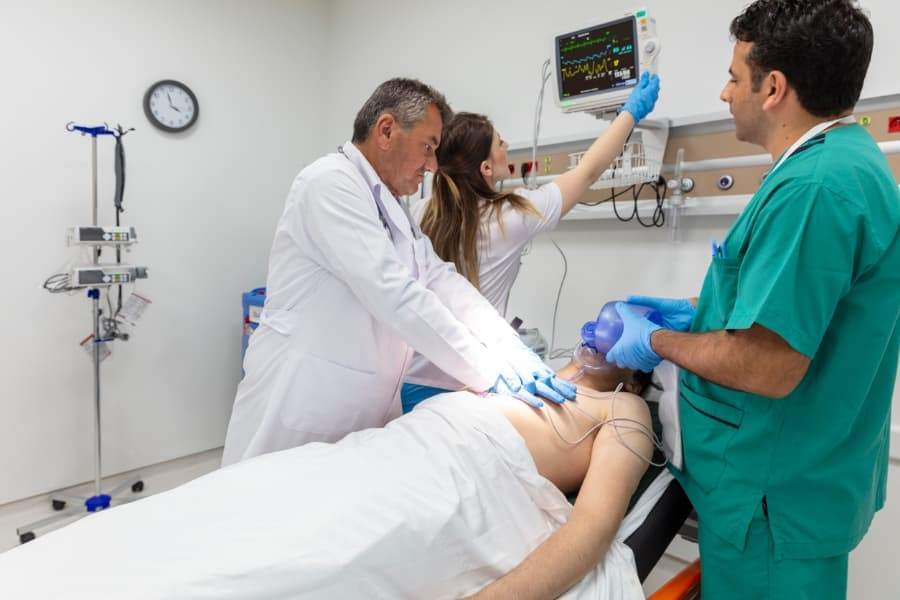
Heart health is essential for overall well-being, yet many people ignore early warning signs of serious cardiac conditions. Cardiovascular diseases usually develop gradually, but in some cases, symptoms can appear suddenly and require immediate medical attention.
Recognizing these signs early can help prevent complications, such as heart attacks, heart failure, or other life-threatening conditions. Timely cardiac evaluation allows doctors to diagnose problems accurately and begin appropriate treatment.
Understanding when to seek urgent care can make a key difference in outcomes and recovery.
Why Early Cardiac Evaluation Is Important
Early evaluation helps identify heart-related issues before they become severe. The heart plays a vital role in pumping blood and oxygen throughout the body, and any disruption in its function can affect multiple organs.
Prompt diagnosis and treatment can:
- Prevent disease progression
- Reduce the risk of complications
- Improve survival rates
- Enhance quality of life
Delaying medical attention may worsen the condition and lead to serious consequences.
Common Warning Signs of Heart Problems
Heart conditions usually present with noticeable symptoms that should not be ignored. Being aware of these signs can help you act quickly and seek medical care.
1. Chest Pain or Discomfort
Chest pain is one of the most common warning signs of heart problems. It may feel like pressure, tightness, or a squeezing sensation in the chest.
This discomfort can last for several minutes or come and go. It may also spread to the arms, neck, jaw, or back. Persistent chest pain should always be treated as a medical emergency.
2. Shortness of Breath
Difficulty breathing or feeling breathless, even during rest or mild activity, may indicate a heart condition. This symptom occurs when the heart is unable to pump blood efficiently.
Shortness of breath may also be accompanied by fatigue or chest discomfort and should not be ignored.
3. Unexplained Fatigue
Feeling unusually tired without a clear reason can be an early sign of heart problems, especially in women. This fatigue may interfere with daily activities and persist over time.
Reduced blood flow and oxygen supply can cause the body to feel weak and exhausted.
4. Irregular Heartbeat or Palpitations
An irregular heartbeat, also known as arrhythmia, may feel like fluttering, racing, or pounding in the chest. Occasional palpitations can be harmless, but frequent or persistent irregularities require medical evaluation.
These symptoms may indicate underlying heart rhythm disorders.
5. Dizziness or Fainting
Feeling lightheaded, dizzy, or fainting can be a sign of reduced blood flow to the brain. This may occur due to heart rhythm problems or other cardiovascular conditions.
Frequent episodes of dizziness should be evaluated by a medical professional.
6. Swelling in Legs, Ankles, or Feet
Swelling in the lower body can occur when the heart is not pumping effectively, leading to fluid buildup. This condition is usually associated with heart failure.
Persistent swelling should be assessed to identify the underlying cause.
7. Pain in Other Areas of the Body
Heart-related pain is not always limited to the chest. It can radiate to the arms, shoulders, neck, jaw, or back.
This type of pain is usually overlooked, but it may indicate a serious heart condition that requires immediate attention.
When to Seek Immediate Medical Help
Certain symptoms require urgent medical care and should not be delayed.
Emergency Warning Signs
- Severe chest pain lasting more than a few minutes
- Sudden shortness of breath
- Loss of consciousness
- Pain spreading to other parts of the body
- Cold sweats or nausea
If any of these symptoms occur, immediate medical attention is necessary to prevent life-threatening complications.
In Delhi, individuals experiencing such symptoms commonly seek urgent cardiac treatment in Delhi to ensure timely diagnosis and appropriate care from specialized healthcare providers.
Risk Factors That Increase Heart Problems
Understanding risk factors can help identify individuals who may need closer monitoring.
Common Risk Factors
- High blood pressure
- High cholesterol
- Diabetes
- Smoking
- Obesity
- Sedentary lifestyle
- Family history of heart disease
Managing these risk factors can reduce the likelihood of developing heart conditions.
How Cardiac Evaluation Is Done
Cardiac evaluation involves a combination of tests and assessments to determine heart health.
Common Diagnostic Tests
- Electrocardiogram (ECG)
- Echocardiogram
- Stress test
- Blood tests
- Imaging studies
These tests help doctors identify abnormalities and plan appropriate treatment.
Preventing Heart Disease
While some risk factors cannot be controlled, lifestyle changes can significantly reduce the risk of heart disease.
Healthy Habits for Heart Health
- Maintain a balanced diet
- Exercise regularly
- Avoid smoking and excessive alcohol
- Manage stress
- Monitor blood pressure and cholesterol
Preventive care plays a key role in maintaining long-term heart health.
Importance of Regular Checkups
Regular health checkups help detect heart problems early, even before symptoms appear.
Routine screenings allow doctors to monitor risk factors and recommend preventive measures. Early detection improves treatment outcomes and reduces complications.
Frequently Asked Questions
What are the early signs of heart problems?
Early signs include chest discomfort, fatigue, shortness of breath, and irregular heartbeat, which should be evaluated promptly.
When should I seek immediate cardiac evaluation?
You should seek immediate care if you experience severe chest pain, breathlessness, fainting, or symptoms that worsen suddenly.
Can heart problems occur without symptoms?
Yes, some heart conditions may develop without noticeable symptoms, making regular checkups important.
Are heart problems more common in older adults?
While risk increases with age, heart conditions can occur at any age, especially with certain risk factors.
How can I reduce my risk of heart disease?
Maintaining a healthy lifestyle, managing medical conditions, and regular checkups can help reduce risk.
Conclusion
Recognizing the warning signs of heart problems is essential for timely intervention and effective treatment. Symptoms such as chest pain, shortness of breath, fatigue, and dizziness should never be ignored.
Early cardiac evaluation can prevent complications and improve outcomes. By staying aware of symptoms, managing risk factors, and seeking medical care when needed, individuals can protect their heart health and lead healthier lives.
