
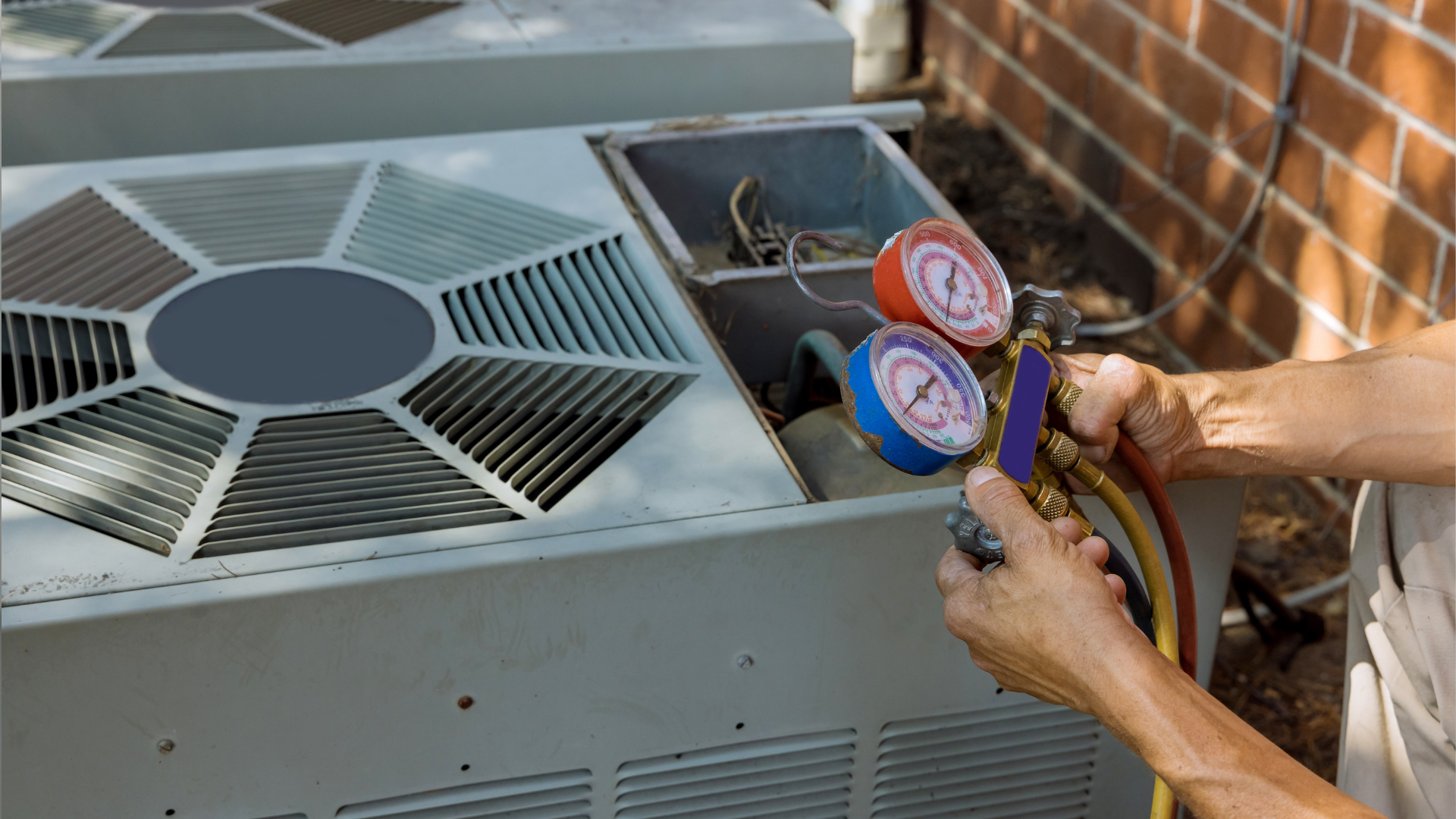
Most homeowners treat their heating and cooling system the way people treat car oil changes, something they’ll get around to eventually. Then summer hits, the unit gives out, and suddenly “eventually” becomes an expensive emergency. Regular HVAC maintenance is genuinely one of the highest-return decisions you can make as a homeowner, touching everything from the air your family breathes to the number that appears on your monthly utility bill. Here’s what consistent upkeep actually delivers, and how to make it stick.
Key Benefits of HVAC Maintenance for Modern Homes
The case for routine maintenance isn’t abstract. According to a study, servicing your system once or twice a year prevents up to 95% of breakdowns, adds 5–10 years to your equipment’s lifespan, trims energy bills by 5–15%, and often satisfies the requirements buried inside your manufacturer’s warranty. That’s not a small return on a couple of annual service calls.
Cleaner Indoor Air: and Healthier People Inside Your Home
Here’s something most people don’t think about: your ducts and filters are essentially the lungs of your house. When they’re clogged with dust, pet dander, and mold spores, those particles circulate right back into the rooms where your family sleeps and eats. Families dealing with asthma or seasonal allergies frequently notice relief almost immediately after a professional cleaning. That’s not a coincidence.
In denser urban environments, this issue compounds fast. Outdoor pollutants find their way inside with surprising ease, which is exactly why so many Bay Area homeowners now treat air duct cleaning in san jose as a routine part of responsible property upkeep rather than an optional luxury.
Practical habits that genuinely move the needle: swap filters monthly, seal duct gaps before they grow, and schedule a professional duct inspection at least once a year. Small actions, meaningful results.
Your indoor air quality has a direct line to your family’s long-term respiratory health. That’s not hyperbole, it’s physiology.
Energy Efficiency and Tangible Savings on Utility Bills
A neglected HVAC system doesn’t just underperform; it actually works harder to compensate for its own inefficiencies. Dirty coils, worn components, and blocked filters force the motor to strain through every cycle. You pay for that strain every single month.
Disciplined home HVAC care, refrigerant checks, coil cleanings, and timely filter swaps keep everything calibrated and running at genuine peak performance. Plenty of homeowners who commit to regular tune-ups end up genuinely surprised when they compare energy bills year over year. The savings aren’t dramatic in any single month, but they add up.
Consistent calibration of mechanical systems helps reduce monthly energy waste and balances operating workloads. Routine assessments prevent individual parts from wearing down prematurely due to systemic imbalances or strain. For property owners looking to preserve overall equipment reliability, scheduling systematic tune-ups with a qualified team like Plunkett Heating & Air can help optimize functional components before seasonal weather shifts create heavy demands. Keeping detailed logs of structural checks and filter changes supports efficient operations while helping to control baseline utility costs over the lifespan of your unit.
A Longer System Lifespan and Far Fewer Expensive Surprises
Nobody budgets for a full HVAC replacement. It’s one of those home costs that feels almost unfair when it arrives. And yet the majority of system failures don’t appear out of nowhere; they start as loose belts, slightly low refrigerant levels, or marginally dirty burners that quietly escalate when no one’s paying attention.
Proactive servicing catches those issues while they’re still minor. Contractors consistently report that well-maintained systems outlast neglected ones by nearly a full decade. That’s a significant difference when replacement costs can easily top $10,000.
To avoid these sudden expenditures, setting up a consistent partnership with local technicians ensures your heating and cooling equipment receives timely inspections. For detailed guidance on finding the right service provider for your home, you can click to read about choosing professionals who specialize in routine upkeep, helping you sustain optimal comfort year-round.
Beyond immediate energy savings, a consistent service schedule acts as a safeguard for the most expensive components of your heating and cooling setup. Minor issues, such as a worn fan belt or a small refrigerant leak, are easily addressed during a routine checkup before they escalate into catastrophic mechanical failures. Homeowners seeking reliable hvac fort worth assistance often find that these preventative measures are the key to avoiding the stress of emergency breakdowns during peak summer months. By documenting every inspection and minor repair, you also ensure that your manufacturer’s warranty remains fully intact, providing long-term financial protection while maintaining a healthy and comfortable indoor environment for your entire household.
Top Strategies to Maximize Home HVAC Care
Good intentions don’t run compressors. Scheduled, repeatable action does.
Seasonal Maintenance Checklists You Should Actually Be Using
Spring and fall are your two primary checkpoints. Before summer arrives: verify coolant levels, clean evaporator coils, and calibrate your thermostat. Before winter: inspect the heat exchanger, test ignition systems, and put in fresh filters. Set a calendar reminder if you have to, two appointments a year is a genuinely manageable commitment.
Beyond simple filter changes, a comprehensive approach to system care involves inspecting the intricate electrical and mechanical components that drive modern climate control. Professional technicians often examine refrigerant levels and tighten electrical connections to ensure every part of the unit operates within its specified parameters. Homeowners who wish to learn more about the technical requirements of seasonal tune-ups find that proactive monitoring significantly reduces the risk of unexpected mechanical failure during peak summer or winter months. By addressing minor wear on belts and pulleys before they snap, you maintain consistent indoor air quality and protect the significant financial investment represented by a high-efficiency HVAC system.
Digital or printed checklists help close the gap between professional visits. Many reputable HVAC providers offer free seasonal checklists worth downloading and actually using.
DIY Steps That Make a Real Difference Between Visits
You don’t need a technician for everything. Replacing filters every 30–60 days, clearing organic debris from outdoor condenser units, and flushing the condensate drain line are all tasks most homeowners can handle confidently.
More importantly, learn to recognize early warning signs. Odd noises, uneven temperatures across rooms, or moisture collecting near the unit are all signals worth acting on quickly. Catching something early is exponentially cheaper than calling for emergency service.
Modern Innovations Making HVAC Maintenance Smarter
The industry has shifted meaningfully over the past decade. Smart home integration has changed what routine HVAC maintenance tips actually look like in practice.
IoT Sensors and Predictive Monitoring Tools
IoT-enabled devices now track airflow, temperature differentials, and energy usage continuously, flagging irregularities before they snowball into breakdowns. Remote monitoring apps send alerts when filters need replacing or when operating patterns shift unexpectedly. It’s a genuinely proactive approach that dramatically reduces emergency service calls.
Here is a study worth noting: contractors who automate their customer intake see 23% higher booking conversion rates and a 19% reduction in dispatcher labor costs. That efficiency translates directly to faster, more accessible service for you as a homeowner.
Membership Plans and Automated Care Schedules
A growing number of HVAC companies now offer subscription-style service plans that bundle scheduled visits, priority booking, and discounted parts into a single annual fee. For households that find it difficult to remember service intervals, these plans essentially remove the friction entirely. Consistent home HVAC care becomes something that happens automatically, not something you have to remember under pressure.
The Financial and Environmental Case for Regular Maintenance
Why HVAC maintenance is important extends beyond personal comfort. There’s a legitimate environmental argument here, too.
Reducing Emissions Through Efficiency
An efficient system burns less fuel and draws less electricity. Clean filters and sealed ducts compound over the years into genuinely meaningful reductions in your household’s carbon footprint. Small improvements, sustained consistently, add up.
The ROI Breakdown: Straightforward Math
| Scenario | Typical Annual Cost |
| Routine maintenance plan | $150–$300/year |
| Emergency repair (neglected system) | $500–$1,500 |
| Full system replacement | $5,000–$12,000+ |
| Energy savings from maintained system | 5–15% reduction |
The numbers speak clearly. Consistent maintenance costs a fraction of what deferred problems eventually demand.
Frequently Asked Questions
- How often should professional HVAC service happen?
Twice yearly, before peak cooling season and before heating season begins. Homes with pets or allergy sufferers may want more frequent filter changes throughout the year. - What warning signs justify an immediate call?
Strange noises, weak or inconsistent airflow, rooms that won’t hold temperature, higher-than-expected energy bills, or visible moisture near the unit. Any of these warrants professional attention before the situation worsens. - Does maintenance genuinely reduce energy costs?
Consistently, yes, by 5–15% annually. Dirty coils and clogged filters force the motor to draw more power while delivering less effective output. That imbalance costs real money over time.
Take Care of the System That Takes Care of Your Home
Consistent HVAC maintenance protects air quality, controls long-term costs, and keeps your system performing reliably through every season. The benefits of HVAC maintenance are well-documented, the risks of neglect are expensive, and the barrier to getting started is lower than most people assume. Whether you begin with a simple DIY checklist or lock in a professional service plan this week, the right time to act is before something breaks, not after.
