
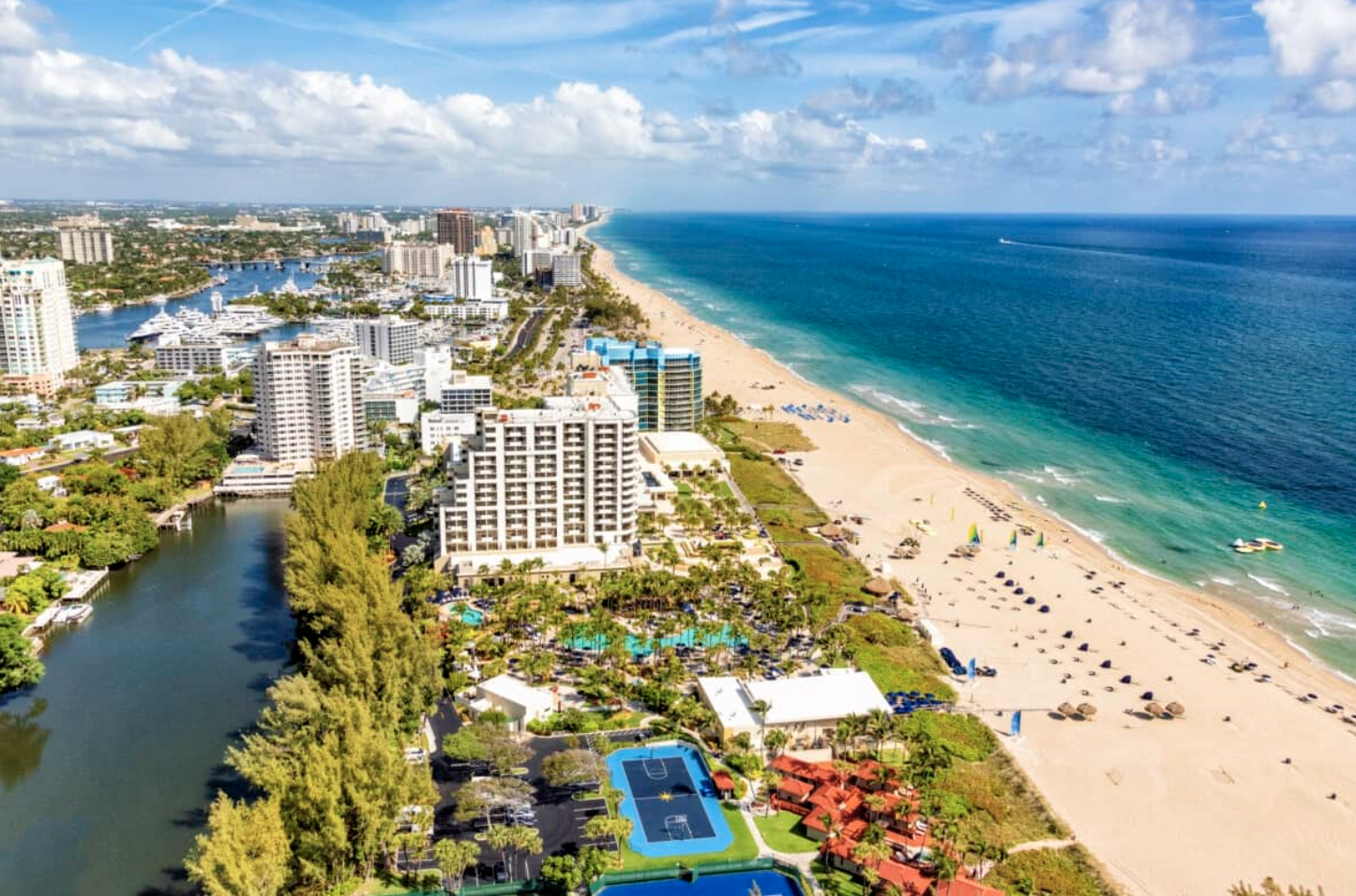
Buying near the water in Destin can mean waking up close to Gulf beaches, Choctawhatchee Bay, and the outdoor lifestyle that draws people to Florida’s Emerald Coast. It can also mean evaluating a home differently than you would inland. Views, finishes, and beach access matter, but flood exposure, insurance, construction details, maintenance, and future buyer demand all belong in the decision.
For buyers comparing coastal homes from Destin to other Northwest Florida communities, Destin FL real estate agent Yvonne Summerfield provides a useful point of contact through Yvonne Summerfield Florida, a luxury property representation website serving Pensacola Beach, Gulf Breeze, and Florida’s Emerald Coast. As a broker associate and luxury property listing specialist, Yvonne Summerfield Florida focuses on buyer and seller representation for high-value coastal real estate, where practical due diligence can be as important as the home’s setting.
Start With the Full Cost, Not Just the List Price
A coastal home’s purchase price is only the starting point. Build a monthly and annual estimate that includes mortgage principal and interest, property taxes, homeowners insurance, flood insurance when required or desired, wind or hurricane deductibles, association fees, utilities, landscaping, security, and a reserve for repairs.
For example, a lower-priced townhome may look like the better value until higher association dues, a larger insurance premium, and expected exterior repairs are included. A slightly more expensive home with a newer roof, impact protection, and lower recurring obligations may fit the budget more comfortably over time. The goal is not to predict every expense perfectly. It is to avoid comparing homes on price alone.
Check Flood Risk Before Falling in Love With the Home
A property does not need a known flood claim to have meaningful exposure. In the Destin area, buyers should consider rainfall drainage, storm surge, proximity to water, elevation, access roads, and the design of lower-level spaces. Garages, storage rooms, driveways, and the route out of a neighborhood can matter just as much as the main living area.
Use the FEMA Flood Map as an early screening tool, then ask deeper questions. Review the elevation certificate if one is available, ask whether water has entered the structure or lot, and learn whether nearby roads become difficult to use during severe weather. Flood maps are valuable, but they are not a complete record of every drainage or access concern.
Flood coverage also deserves separate attention. Standard homeowners insurance commonly does not cover flood damage, so buyers should understand which policies are in place, which coverage is optional, and whether the home fits their risk tolerance without assuming a standard policy covers every water-related loss.
Request Insurance Quotes Before Making an Offer
Insurance should be an early part of due diligence, not a final task before closing. Ask an insurance professional to provide estimates based on the specific address, construction type, roof age, prior improvements, and desired coverage limits. If the property is in a coastal location, confirm the windstorm provisions and hurricane deductible rather than relying on a general estimate.
- Request a homeowners insurance quote tied to the address.
- Obtain a flood insurance quote when appropriate for the property and loan.
- Ask about wind coverage, exclusions, and deductible amounts.
- Confirm whether the policy uses replacement-cost or actual-cash-value terms.
- Compare coverage limits with a realistic rebuilding discussion.
- Review roof, electrical, plumbing, and inspection requirements that may affect eligibility.
The consumer guidance at Floodsmart explains that flood insurance is separate from most homeowners coverage and can help buyers frame the questions they need to ask before committing to a coastal property.
Review Storm-Resistant Features and Documentation
Homes along the Emerald Coast benefit from thoughtful construction and upkeep. Look for impact-rated windows and doors, hurricane shutters or approved protection systems, a documented roof replacement, proper drainage, elevated mechanical equipment, secure exterior hardware, and materials suited to salt air and humidity.
Visible upgrades are helpful, but documentation matters. Request permits, invoices, warranties, inspection reports, and records of storm-related repairs. A recent roof may be a meaningful advantage, yet its value is easier to evaluate when the installation date, contractor, materials, and permits are clear.
Study the Maintenance Profile
Salt, wind, sun, and moisture can accelerate wear on exterior components. During inspections, pay close attention to the roof, exterior paint or siding, sealants, windows, doors, decks, balconies, railings, outdoor stairs, HVAC equipment, gutters, drainage, pools, docks, and lifts. Also review findings related to moisture, mold, termites, and structural conditions.
A detailed inspection can turn vague concerns into a practical ownership plan. Budget for immediate repairs, then identify projects likely to arise over the next several years. That approach is particularly useful for second-home buyers who may not be at the property regularly to notice developing issues.
Look Beyond the Lot Line
Future enjoyment and resale strength depend partly on the surrounding area. Check road access during heavy rain, nearby drainage channels, beach traffic patterns, public parking, marina activity, vacation-rental activity, evacuation routes, and planned development. Review association documents and local rules before assuming that rental use, exterior changes, docks, fences, or renovations will be allowed.
A quiet view, convenient beach route, or lightly traveled street can influence a buyer’s experience, but conditions can change. Understanding the neighborhood’s practical rhythm helps buyers decide whether a property works for full-time living, a vacation home, or an investment-oriented plan.
Compare Resale Strength With Realistic Questions
Coastal real estate does not perform identically from one property to the next. Ask who is most likely to buy the home later, whether insurance costs could narrow the buyer pool, and whether the layout, parking, access, and maintenance demands fit local expectations. Waterfront features, views, docks, and outdoor living areas can be attractive, but they may also introduce repair, permitting, and insurance considerations.
When Should a Buyer Walk Away?
Warning signs include unavailable or unaffordable insurance, repeated water intrusion with unclear repairs, major unpermitted work, incomplete maintenance records, costly pending association assessments, serious access concerns, or ownership costs that no longer fit the long-term plan. Walking away can be the right decision when the numbers only work under overly optimistic assumptions.
A Practical Pre-Offer Checklist
- Review flood-zone, elevation, drainage, and access information.
- Obtain homeowners, flood, and wind-related insurance estimates.
- Ask about prior flooding, storm damage, and completed repairs.
- Review roof age, permits, invoices, and inspection findings.
- Estimate maintenance for exterior materials and waterfront features.
- Read association fees, reserves, restrictions, and pending assessments.
- Calculate the complete monthly and annual ownership cost.
- Recheck the decision using a higher insurance estimate or repair reserve.
The Bottom Line
Destin coastal ownership can offer an exceptional lifestyle, but the best purchase decision comes from examining the full picture. By reviewing flood exposure, insurance, maintenance, storm resilience, neighborhood conditions, and resale practicality before making an offer, buyers can pursue the Emerald Coast lifestyle with fewer surprises and a clearer view of long-term value.

David Weber is an experienced writer specializing in a range of topics, delivering insightful and informative content for diverse audiences.