
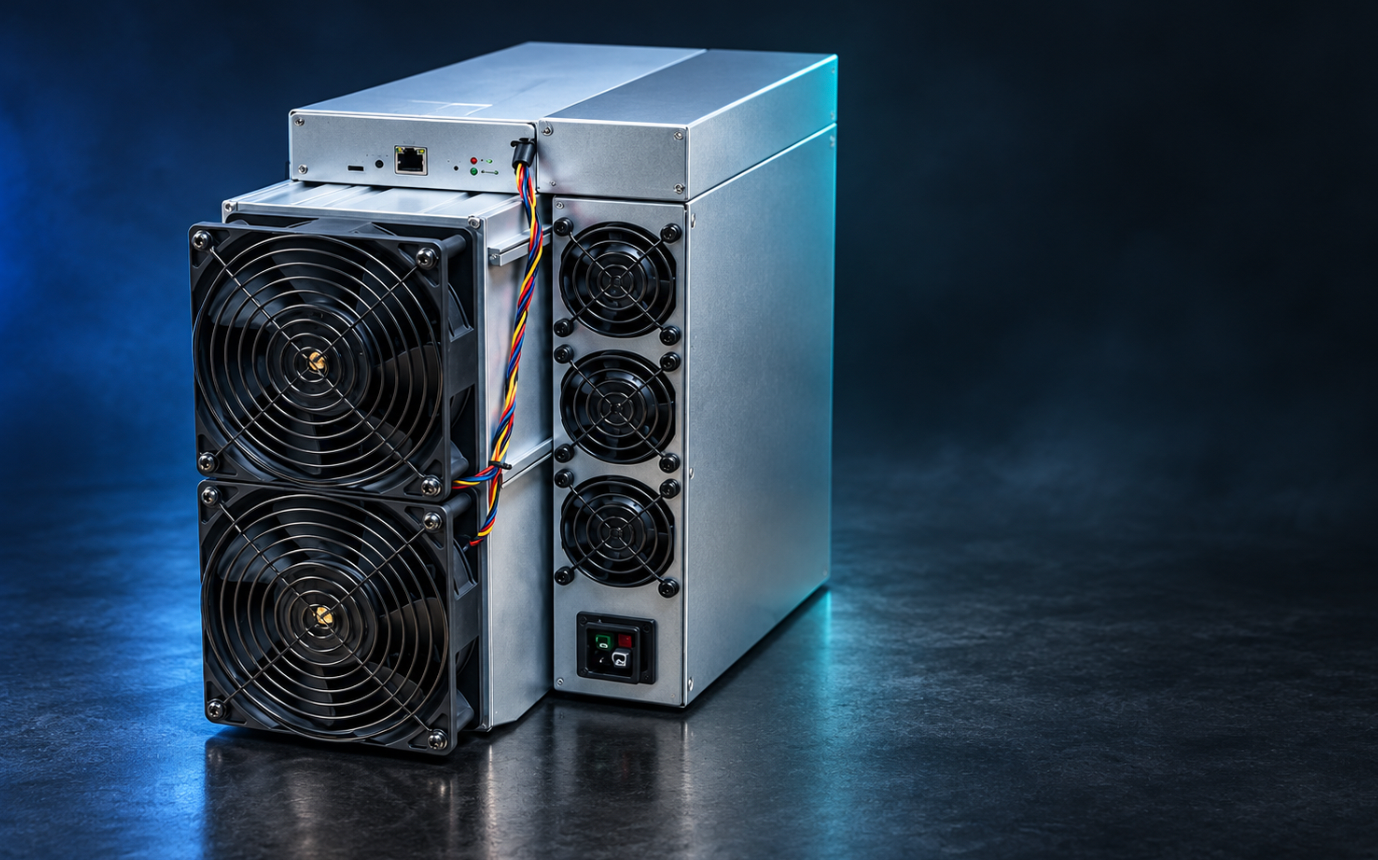
Bitcoin mining has become more competitive as mining technology continues to improve. Today, successful mining depends on choosing the right hardware, managing electricity costs, and understanding how mining equipment performs over time. An ASIC miner is one of the most important investments for anyone planning to enter the Bitcoin mining industry.
However, buying a mining machine is not as simple as choosing the model with the highest hashrate. You must consider several factors, including power consumption, energy efficiency, cooling requirements, purchase price, and long-term maintenance. Comparing resources such as the best antminer can also help buyers understand the available hardware options before making a decision.
Whether you are a beginner or an experienced miner, selecting suitable equipment can help you control expenses and improve your mining operation. This guide explains the most important things to consider when choosing an ASIC miner for Bitcoin mining.
1. Understand What an ASIC Miner Does
ASIC stands for Application-Specific Integrated Circuit. It is a special type of computer chip designed to perform one specific task. In Bitcoin mining, ASIC machines are built to solve complex mathematical problems using the SHA-256 hashing algorithm.
Unlike regular computers or graphics cards, ASIC miners are designed to perform mining calculations at high speeds while using less electricity per unit of work.
Bitcoin miners use these machines to compete for the opportunity to add new blocks to the blockchain. Successful miners receive Bitcoin rewards and transaction fees according to the network’s rules.
Why Are ASIC Miners Important?
ASIC miners have several advantages over traditional mining hardware:
- High performance: They can perform billions or trillions of calculations every second.
- Better efficiency: They are designed specifically for mining operations.
- Consistent operation: Most models are built to run continuously.
- Specialized technology: Their hardware is optimized for a particular mining algorithm.
However, ASIC miners are not suitable for every cryptocurrency. Always check algorithm compatibility before purchasing a machine.
2. Compare the Hashrate of Different Machines
Hashrate is one of the first specifications you should examine when comparing ASIC miners. It measures how many calculations a mining machine can perform every second.
Bitcoin mining hashrate is commonly measured in terahashes per second (TH/s). A higher hashrate means that a machine can perform more calculations and contribute more computing power to the Bitcoin network.
How Does Hashrate Affect Mining?
A machine with a higher hashrate generally has a greater chance of finding valid shares when connected to a mining pool. This can increase its expected contribution to mining rewards.
For example, consider two hypothetical ASIC miners:
- Miner A offers 100 TH/s.
- Miner B offers 200 TH/s.
Miner B provides twice the hashrate of Miner A. However, this does not automatically mean it will generate twice the profit.
You must also compare electricity consumption, purchase price, mining difficulty, and operating expenses.
Avoid Choosing a Miner Based Only on Hashrate
Some high-performance machines consume significantly more electricity. If your electricity costs are high, a machine with a lower hashrate but better energy efficiency may be a smarter investment.
3. Check Energy Efficiency Before Buying
Energy efficiency is one of the most important factors in Bitcoin mining. Since ASIC miners usually operate around the clock, even a small difference in electricity consumption can affect your monthly expenses.
Mining efficiency is measured in joules per terahash (J/TH). This figure tells you how much energy a machine needs to produce one terahash of computing power.
Why Is a Lower J/TH Value Better?
A lower J/TH value means the miner uses less energy to perform the same amount of work.
For example:
| Miner | Hashrate | Power Consumption | Efficiency |
| Miner A | 100 TH/s | 3,000 W | 30 J/TH |
| Miner B | 100 TH/s | 3,500 W | 35 J/TH |
Both machines provide the same hashrate, but Miner A consumes less electricity.
This difference becomes important when calculating long-term operating costs. Always compare the efficiency of different models before making your final decision.
4. Calculate Electricity Costs
Electricity is one of the biggest ongoing expenses in Bitcoin mining. A machine may look affordable initially, but its electricity requirements can make it expensive to operate.
Before buying an ASIC miner, calculate how much electricity it will consume daily and monthly.
Calculate Daily Electricity Consumption
You can use a simple formula:
Daily Electricity Consumption = Power Consumption (kW) × 24 Hours
For example, a miner using 3,000 watts consumes:
- Power consumption: 3 kW
- Daily operating time: 24 hours
- Daily electricity usage: 72 kWh
- Monthly electricity usage: 2,160 kWh
If your electricity rate is $0.10 per kWh, the estimated monthly electricity expense will be $216.
This calculation does not include cooling, hosting, maintenance, or other operating costs.
Consider Your Local Electricity Rates
Electricity prices vary between countries, regions, and service providers. Therefore, the same mining machine may be profitable in one location but unprofitable in another.
Check your actual electricity rate before purchasing equipment. You should also consider possible price increases and additional charges.
5. Choose the Right Cooling System
ASIC miners generate a large amount of heat during operation. Without proper cooling, high temperatures can reduce performance, increase hardware stress, and cause unexpected shutdowns.
There are three common cooling approaches to consider.
Air Cooling
Air-cooled miners use fans to move air through the machine and remove heat.
Advantages include:
- Simple installation.
- Lower setup costs.
- Easier maintenance.
- Wide availability of equipment.
However, these machines can produce significant noise and require proper ventilation.
Hydro Cooling
Hydro-cooled miners use liquid to transfer heat away from the mining hardware.
Their advantages include:
- Effective heat management.
- Potentially better performance in suitable installations.
- Reduced reliance on high-speed onboard fans.
However, they require additional equipment, such as pumps, pipes, and heat exchangers.
Immersion Cooling
Immersion cooling involves placing mining hardware in a special dielectric liquid that does not conduct electricity.
This method can provide effective heat management for large mining operations. However, installation and maintenance require specialized knowledge and additional investment.
Choose a cooling system that matches your budget, available space, and technical experience.
6. Consider Noise Levels and Installation Space
Many beginners focus on mining performance but overlook noise and space requirements.
ASIC miners can produce considerable noise because their cooling fans operate at high speeds. This can become a problem when installing equipment inside homes, offices, or small buildings.
Check the Operating Environment
Before purchasing a machine, consider the following:
- Available installation space.
- Ventilation and airflow.
- Distance from residential areas.
- Room temperature.
- Dust and humidity levels.
- Electrical safety.
A dedicated mining room or professional hosting facility may be more suitable than a normal living space.
Also, remember that mining equipment releases heat into its surroundings. You need a reliable plan to remove this heat, especially during warmer months.
7. Research Manufacturers and Mining Models
The manufacturer plays an important role in hardware quality, performance, and long-term support.
Several companies produce ASIC mining equipment, but buyers should compare their specifications rather than relying on brand popularity alone.
Popular ASIC Miner Manufacturers
Some well-known manufacturers include:
- Bitmain: Known for its Antminer series of Bitcoin mining machines.
- MicroBT: Produces the Whatsminer series, which includes several SHA-256 mining models.
- Canaan: Manufactures AvalonMiner equipment for cryptocurrency mining.
Each manufacturer offers different hardware configurations, performance levels, and cooling options.
Compare Exact Model Specifications
Do not rely only on product names or general marketing descriptions. Check the exact model number and version.
Review the following details:
- Advertised hashrate.
- Power consumption.
- Energy efficiency.
- Cooling requirements.
- Operating temperature.
- Warranty coverage.
- Availability of replacement parts.
You can also compare different Antminer models and their specifications when researching suitable equipment for your mining setup.
8. Decide Between New and Used ASIC Miners
Your budget will influence whether you should purchase new or used mining equipment.
Both options have advantages, but they also come with different risks.
Benefits of Buying New Equipment
New ASIC miners generally offer:
- Manufacturer warranty options.
- No previous operating history.
- Updated hardware technology.
- Lower risk of hidden wear and damage.
However, new machines usually require a higher initial investment.
Benefits of Buying Used Equipment
Used ASIC miners can be attractive because their purchase prices are often lower.
They may offer a practical starting point for buyers with limited budgets.
Before purchasing a used machine, check its:
- Hashboards and control board.
- Cooling fans.
- Power supply.
- Repair history.
- Operating temperature.
- Actual hashrate.
- Firmware condition.
Ask the seller for a live performance test or recent mining pool records. Avoid purchasing equipment based only on photographs or advertised performance.
9. Calculate Mining Profitability and Return on Investment
Buying an ASIC miner is a financial decision, so you should estimate its potential profitability before spending money.
Mining revenue depends on several changing factors, including Bitcoin’s market price, network difficulty, block rewards, transaction fees, and your machine’s actual performance.
Calculate All Operating Expenses
Your profitability calculation should include:
- ASIC miner purchase price.
- Electricity expenses.
- Cooling equipment.
- Mining pool fees.
- Internet connection.
- Maintenance and repairs.
- Shipping and import charges.
- Hosting fees, if applicable.
Subtract these expenses from estimated mining revenue to understand your potential net operating profit.
Understand the Risks of Mining Profitability
Bitcoin mining income is not fixed. Changes in network difficulty, Bitcoin prices, and mining competition can affect your earnings.
For this reason, avoid making investment decisions based on a single profitability calculator result.
Calculate different scenarios, including lower Bitcoin prices, higher electricity costs, and reduced machine uptime. A realistic financial estimate will help you make a more informed decision.
10. Check Warranty, Maintenance, and Technical Support
Mining equipment requires regular monitoring and maintenance. Even reliable ASIC miners can experience hardware problems after running continuously for long periods.
Before placing an order, review the manufacturer’s warranty and the seller’s return policy.
What Should You Ask the Seller?
Consider asking these questions:
- Is the machine brand new or refurbished?
- Does it include an official warranty?
- Are replacement parts available?
- What is the expected delivery time?
- Is technical support available?
- Can the seller provide a performance test?
Reliable support can save money and reduce downtime when your equipment needs repairs.
11. Select a Suitable Mining Pool
Mining pools allow multiple miners to combine their computing power. Instead of relying entirely on individual mining results, participants share rewards based on their contributed work and the pool’s payment system.
For beginners, joining a mining pool can provide more regular payouts than solo mining, although the amount and timing depend on the pool’s structure and performance.
Compare Mining Pool Features
Before choosing a pool, review:
- Pool fees.
- Payment methods.
- Minimum payout requirements.
- Server availability.
- Geographic server locations.
- Reputation and transparency.
Make sure the pool supports Bitcoin’s SHA-256 algorithm and your chosen ASIC miner.
Frequently Asked Questions
1. What is the best ASIC miner for Bitcoin mining?
The best ASIC miner depends on your electricity costs, budget, required hashrate, and available cooling system.
2. How much electricity does an ASIC miner use?
Electricity consumption varies by model, but many full-size Bitcoin ASIC miners require several thousand watts continuously.
3. Is ASIC mining profitable for beginners?
It can be profitable under suitable conditions, but beginners must carefully calculate electricity, equipment, maintenance, and other expenses.
4. Can I use an ASIC miner at home?
Yes, but you need sufficient electrical capacity, proper ventilation, and a suitable location to manage heat and noise.
5. How long can an ASIC miner operate?
An ASIC miner can operate for several years with proper maintenance, although its commercial value may decline as newer and more efficient models become available.
Conclusion
Choosing the right ASIC miner for Bitcoin mining requires more than comparing prices and hashrates. You should evaluate energy efficiency, electricity costs, cooling requirements, installation space, hardware condition, and manufacturer support before making a purchase.
Start by understanding your budget and available electricity supply. Then compare different mining models, calculate their operating expenses, and estimate potential profitability under several market conditions.
Most importantly, choose equipment that matches your actual operating environment rather than buying the most powerful machine available. Careful research and realistic financial planning can help you build a more reliable and sustainable Bitcoin mining operation.

David Weber is an experienced writer specializing in a range of topics, delivering insightful and informative content for diverse audiences.