
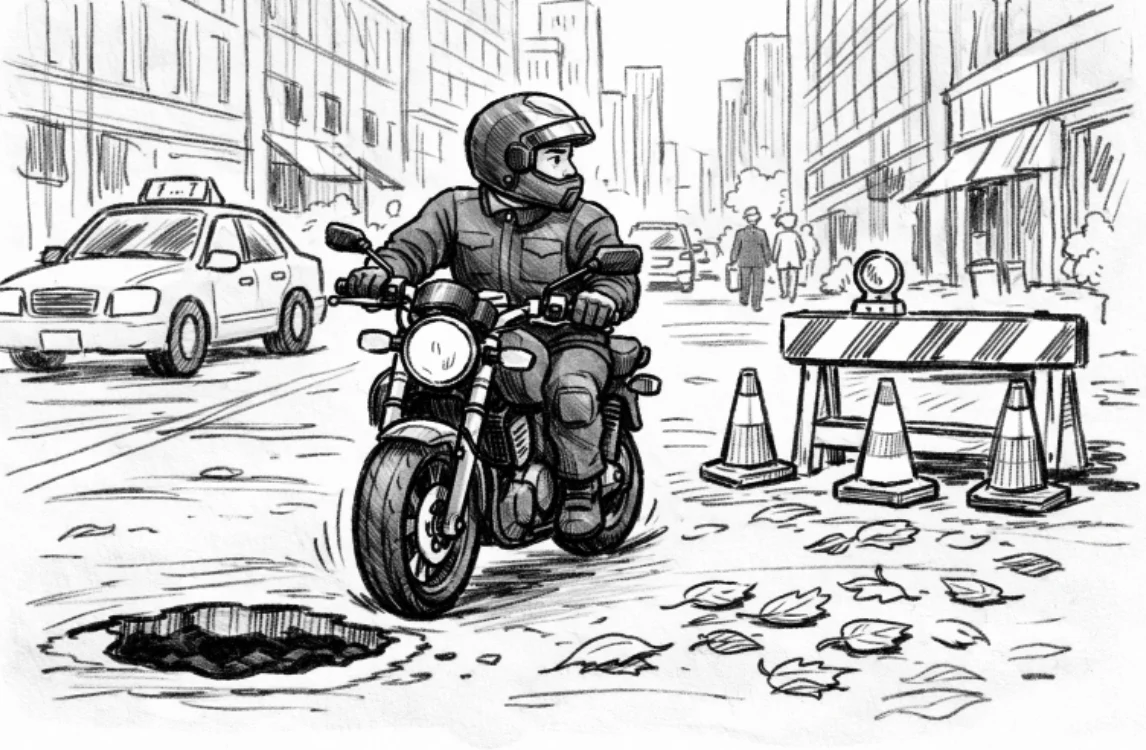
Riding a motorcycle through the bustling streets and scenic routes of New York can be a thrill, but it is important to recognize the many challenges of navigating local roads. New York’s ever-changing weather, heavy traffic, and urban infrastructure create conditions that demand a high degree of caution from riders. For those who value safety and need legal support after an incident, connecting with the best motorcycle accident attorneys in New York City can be an important step. Staying prepared for these road hazards is a crucial aspect of responsible riding.
Understanding the specific threats that motorcyclists face in New York empowers riders to make better decisions and avoid preventable accidents. Proactively identifying dangers helps keep every journey enjoyable and, most importantly, safe. Staying attentive and aware of your surroundings is paramount when sharing the road with a variety of vehicles, pedestrians, and unpredictable weather.
Potholes and Uneven Pavement
Throughout New York, potholes are a frequent nuisance, particularly following the winter thaw. The cycle of freezing and thawing causes cracks and holes in the pavement, posing a real danger to motorcyclists. Striking a pothole can cause loss of balance and vehicle control, leading to serious injury or damage. Riders should scan the road ahead and avoid abrupt maneuvers that can trigger instability. Regular road maintenance plays a pivotal role in minimizing danger, but immediate rider attention is also vital. According to the New York Times, city agencies have ramped up their pothole repair initiatives to address this persistent problem. In areas with common potholes, it may be wise to consider alternative routes or travel during lighter traffic hours, reducing the likelihood of sudden swerving or accidents caused by avoidance maneuvers.
Construction Zones
Construction is a constant in New York, with streets frequently undergoing repairs or upgrades. Construction sites are marked by hazards, including uneven surfaces, loose gravel, cones, barriers, and unexpected detours. Such environments require heightened vigilance from riders, as motorcycles are more prone to slipping and losing traction than other vehicles. Approaching a construction area slowly, heeding all warning signs, and watching for workers or equipment on the road are key precautionary measures. Keeping an eye out for debris is especially important, as scattered debris can cause skidding or tire punctures. Additionally, noise and activity in construction zones can further distract both riders and drivers, making it essential for motorcyclists to reduce speed and stay alert to avoid sudden stops or abrupt changes.
Slippery Surfaces
Slippery conditions are exacerbated by factors such as spilled oil, patches of ice, rain-soaked pavement, and wet autumn leaves. When surfaces are slick, a motorcycle’s tires lose grip, increasing the possibility of skidding or crashing. Riders should adjust their speed, allow for greater stopping distances, and be especially cautious after rainstorms or early mornings, when ice may not yet be visible. Adopting defensive riding habits and avoiding sudden braking can mitigate the risk of these slippery surprises. For further insight into weather-related motorcycling risks, the Consumer Reports motorcycle safety guide provides valuable recommendations. It’s also helpful to be aware of shaded areas on roads, as they may remain icy or slippery longer than other stretches, catching riders off guard if not anticipated.
Debris and Obstructions
Traveling through city or rural roads exposes riders to debris such as fallen branches, loose gravel, and items lost from passing vehicles. Obstructions may be hidden or unexpected, requiring quick reactions and sharp attention. Motorcyclists are encouraged to scan the road well ahead, avoid following large vehicles too closely, and maintain flexibility to move around sudden obstacles. Developing these habits not only supports your personal safety but also helps you avoid collisions with other vehicles and abruptly changing lanes to dodge debris. Furthermore, keeping a vigilant eye on the road’s shoulder and on areas near intersections or construction sites increases your ability to anticipate and quickly evade new hazards.
Intersections
Intersections in New York are especially notorious for motorcycle accidents. Factors including distracted driving, failure to yield, and unpredictable vehicle turns create a volatile environment. Riders should always approach intersections with reduced speed, prepare to react to signal changes, and ensure visibility to other motorists. Using lane positioning to maximize your presence and making eye contact with other drivers can also help reduce risks at busy junctions. Practicing patience and resisting the urge to bolt through changing lights or weave between vehicles can further reduce the risk of intersection-related incidents, which are among the most common types of incidents for city riders.
High-Traffic Areas
In high-traffic urban settings, sudden lane changes and inconsistent speeds are common, along with unpredictable movement from pedestrians and cyclists. Motorcycles can be harder for other road users to spot, so it is critical to maintain a safe following distance and be prepared for rapid stops. Using bright or reflective gear can improve your visibility in crowded city environments. Being mindful of bus lanes, delivery vehicles, and ride-share drivers can also help reduce the likelihood of encounters in dense traffic zones. Additionally, anticipating the actions of less experienced or distracted drivers helps motorcyclists stay proactive, minimizing the chances of being caught off guard by abrupt vehicle maneuvers or door openings in narrow city streets.
Safety Measures for Riders
- Regularly inspect your motorcycle’s tires, brakes, and lights to ensure readiness for any journey.
- Wear appropriate protective gear, including a DOT-compliant helmet, gloves, and high-visibility jackets or vests.
- Stay updated about local road conditions and traffic advisories using city transportation websites or mobile alerts.
- Enroll in motorcycle safety courses to deepen your understanding of best practices and defensive driving. The National Highway Traffic Safety Administration (NHTSA) offers robust resources for ongoing rider education.
- Use modern motorcycle technologies such as anti-lock braking systems (ABS) and traction control to enhance riding stability, especially in adverse road conditions.
Recognizing and preparing for New York’s unique road hazards is essential to every motorcyclist’s safety. By remaining alert and taking proactive safety measures, riders can navigate both city streets and scenic highways more securely, preserving the enjoyment of each ride while reducing the risk of accidents. Whether traveling long distances or simply commuting to work, developing a habitual focus on hazard awareness and continuous skills improvement is crucial. Building this foundation of preparedness will provide peace of mind and support a long, rewarding motorcycling experience through New York’s dynamic environment.

David Weber is an experienced writer specializing in a range of topics, delivering insightful and informative content for diverse audiences.
Poker tournaments, scratch cards, sports wagering, and electronic gaming machines each attract distinct audiences with different risk tolerances. Those who deposit in USDT bypass the transaction delays that conventional banking imposes, making stablecoin infrastructure relevant across virtually every gambling format currently available online.