
Trees are usually strong and stable parts of any landscape. They provide shade, beauty, and protection from heat. But sometimes, trees can become dangerous without warning. In these cases, emergency tree removal may be needed to ensure safety.
Homeowners should understand the warning signs early. Acting quickly can help prevent bigger problems. Waiting too long may increase the risk of damage or injury.
Let’s dive in.
Storm Damage and Fallen Trees
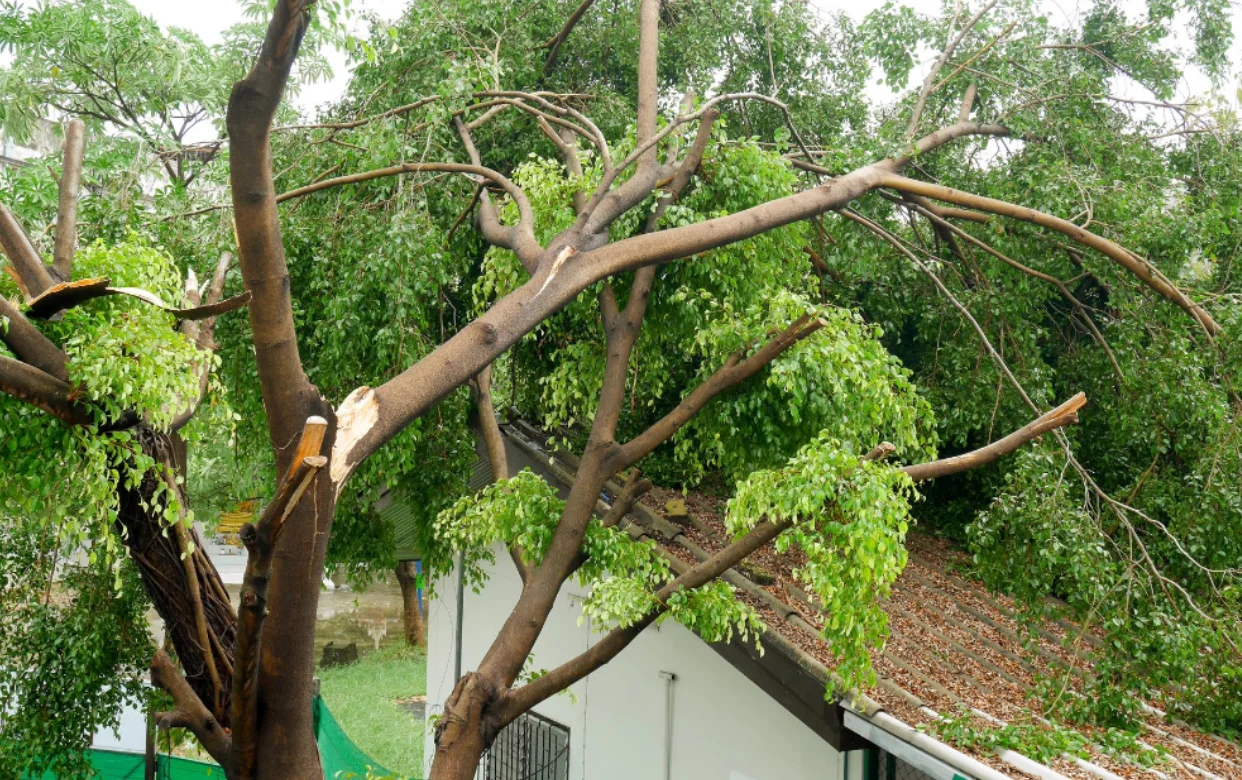
Storms are one of the most common reasons for emergency tree removal. Strong winds, heavy rain, and lightning can weaken trees quickly. Large branches may break without warning. In severe cases, entire trees can fall.
A fallen tree can block driveways, roads, or walkways. It may also damage roofs, fences, or power lines. These situations can create immediate safety risks. Quick removal helps restore safety and access.
Storm-damaged trees are not always safe to approach. Broken limbs may still fall at any time. Professionals use proper tools and safety steps to handle the situation. This helps reduce further danger during cleanup.
Leaning Trees and Structural Instability
A leaning tree is often a serious warning sign. Some trees naturally lean, but sudden changes are dangerous. A new or increasing lean may show root damage. This can mean the tree is no longer stable.
Weak roots can be caused by storms, soil erosion, or disease. Once roots are damaged, the tree may fall without notice. This creates a risk for nearby homes and people. Early removal may be necessary to avoid accidents.
Professional assessment is important in these cases. Experts can check if the tree can be saved or must be removed. Not all leaning trees need removal, but many do. Careful inspection helps guide the right decision.
Cracked or Split Trunks
A tree trunk should be strong and solid. Cracks or deep splits are serious warning signs. These damage points weaken the tree’s structure. Over time, the tree may break apart.
Splits can happen during storms or due to internal decay. Even if the tree still stands, it may not be safe. A weakened trunk cannot support heavy branches for long. This increases the risk of sudden collapse.
Homeowners should avoid ignoring trunk damage. It may worsen quickly during bad weather. Professional removal is often the safest option. This helps protect both property and people nearby.
Dead or Dying Trees
Dead trees can become hazardous over time. Without life, branches become dry and brittle. These branches can fall easily, even in light wind. The entire tree may also weaken.
Signs of a dying tree include no leaves, peeling bark, and hollow sounds. These signs often mean the tree cannot recover. Dead trees also attract pests and insects. This can spread problems to nearby healthy trees.
Removing dead trees improves safety and yard health. It also prevents unwanted damage during storms. Fast action reduces risks in outdoor spaces. This makes emergency removal an important service.
Once a hazardous trunk is safely cleared away, addressing the leftover ground footprint is the next important step for property maintenance. Leaving a large remnants base can invite pests and restrict your future landscaping options. Seeking professional stump grinding Mobile helps restore your lawn’s layout, ensuring the soil remains clear, balanced, and perfectly usable.
Trees Damaging Property
Sometimes trees grow too close to buildings or structures. Branches may press against roofs, windows, or walls. Roots may also damage foundations or underground pipes. These problems can grow worse over time.
During storms, the risk becomes even higher. Heavy branches may break and fall onto homes or cars. This can lead to expensive repairs. Immediate removal may be needed to prevent further damage.
Emergency tree removal in Roswell teams can safely remove trees in tight spaces. They use careful methods to protect nearby property. This reduces the chance of additional damage during removal. A fast response is key in these situations.
Fallen Trees Blocking Access
A fallen tree can quickly become an emergency situation. It may block driveways, roads, or emergency exits. This can stop vehicles from moving safely. It may also delay emergency services.
In some cases, fallen trees may land on power lines. This creates serious electrical hazards. People should stay away from the area until help arrives. Safety must always come first.
Emergency removal teams are trained for immediate action. They can clear blocked areas safely and quickly. This helps restore access to homes and neighborhoods. Quick action reduces stress and danger.
Pest Infestation and Tree Decay
Pests can weaken trees from the inside. Insects like termites or beetles can damage wood over time. This makes the tree hollow and unstable. The outside may still look normal.
Decay can also spread through the trunk and branches. Rotting wood loses strength quickly. This makes the tree more likely to fall. In some cases, removal is the only safe solution.
Regular inspection can help detect these problems early. However, advanced decay often requires urgent action. Removing the tree helps protect nearby plants and structures. It also prevents future hazards.
Weather Risks and Sudden Failure
Weather conditions can change quickly and affect tree stability. Heavy rain can soften soil and weaken roots. Strong winds can stress branches and trunks. Ice buildup can also add dangerous weight.
A tree that survives one storm may still be at risk. Hidden damage can cause later failure. This is why post-storm checks are important. Professionals can identify weak trees before they fall.
Emergency removal helps reduce future danger. It prevents accidents before they happen. Immediate action is especially important after extreme weather. This keeps outdoor spaces safe.
Professional Emergency Response
Emergency tree removal requires skill and proper equipment. It is not safe for homeowners to handle alone. Large or damaged trees can fall unpredictably. This creates serious risk without training.
Professionals use safety gear and advanced tools. They can cut and remove trees in controlled sections. This helps reduce danger during the process. Careful planning is always used.
Emergency teams also work quickly to reduce damage. Their goal is to restore safety as soon as possible. They understand how to manage risky situations. This makes professional help essential.
Preventing Future Tree Emergencies
Regular tree care can reduce emergency risks. Trimming weak branches helps prevent breakage. Routine inspections also identify early warning signs. This helps avoid sudden tree failure.
Healthy trees are less likely to become dangerous. Proper care supports strong roots and stable growth. This reduces the chance of storm damage. Prevention is always better than emergency removal.
Emergency Tree Removal: Acting Fast Protects Safety
Emergency tree removal is needed when trees become unsafe. Storm damage, decay, and instability can create serious risks. Fast action helps prevent property damage and injuries. It also restores safety and access.
Understanding warning signs can help homeowners act early. Safe outdoor spaces depend on healthy and stable trees. Proper care and fast removal when needed help keep properties secure.
Check out more posts on our blog!

David Weber is an experienced writer specializing in a range of topics, delivering insightful and informative content for diverse audiences.