
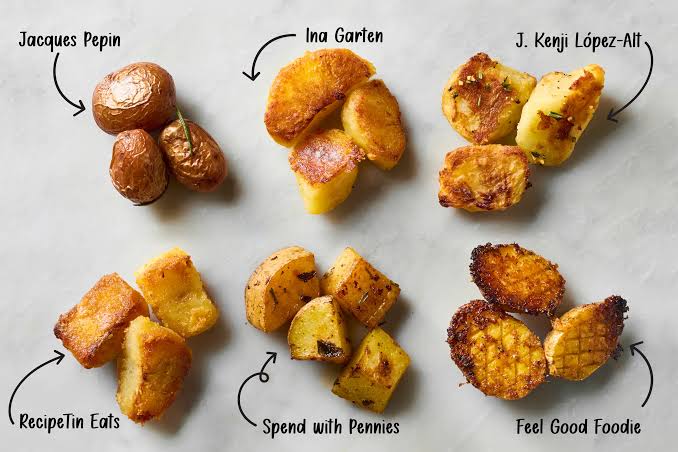
Potatoes are one of the most adaptable ingredients in the culinary world, making them suitable for countless recipes and meal styles. Many home cooks spend time researching how to cook potatoes because the chosen preparation method can dramatically influence texture, flavor, appearance, and overall satisfaction. Comparing common cooking techniques can assist in identifying which strategy is best for particular culinary objectives, even though there isn’t a single technique that works best in every circumstance.
Knowing what each technique offers and how those qualities affect the final product is crucial.
The Benefits Of Moisture-Based Cooking
Methods that rely on water or steam are often appreciated for their ability to create tender textures. These approaches allow heat to reach the potato evenly, making them suitable for recipes that require a softer consistency.
Many cooks prefer moisture-based techniques when preparing dishes that will later be combined with other ingredients. The resulting texture often blends well with sauces, vegetables, and proteins.
Because these methods focus on tenderness, they are commonly used in a variety of traditional recipes.
Dry Heat Creates Different Results
Cooking styles that use dry heat tend to emphasize texture and flavor development. As moisture gradually leaves the surface, the potato develops a more complex character that many people find appealing.
The contrast between the outer layer and the interior often becomes more noticeable, creating a different eating experience compared to moisture-based methods.
These techniques are frequently selected when texture is an important part of the final presentation.
Speed Versus Traditional Preparation
Time is often a major consideration when selecting a cooking method. Some techniques prioritize convenience and speed, while others require more patience.
Quick methods can be extremely useful for busy schedules and last-minute meal preparation. Traditional approaches may take longer but often provide greater control over texture and flavor development.
The best choice depends largely on individual priorities and the available cooking time.
Texture As A Deciding Factor
Texture is one of the primary reasons cooks choose one technique over another. Different methods can produce results ranging from creamy and soft to firm and crisp.
Understanding the desired texture before cooking begins helps narrow the available options. A dish intended to be light and delicate may require a completely different approach than one designed to emphasize crunch and structure.
Texture goals often provide the clearest guidance when selecting a method.
Flavor Development Across Techniques
Every cooking style influences flavor differently. Some approaches preserve the natural characteristics of the potato, while others encourage more pronounced flavor development.
Cooking methods that expose potatoes to higher temperatures often create richer and deeper flavor profiles. Gentler techniques may highlight the ingredient’s natural qualities instead.
Recognizing these differences helps cooks match preparation methods to the flavor experience they want to create.
Adapting Methods To Specific Dishes
The intended recipe should always influence the chosen technique. A method that works exceptionally well for one dish may not be ideal for another.
Potatoes used in soups, salads, side dishes, or main courses often require different preparation strategies. Selecting a technique that aligns with the final application improves both presentation and eating quality.
Flexibility is one of the reasons potatoes remain such a popular ingredient across diverse cuisines.
Learning Through Practical Experience
Reading about cooking techniques provides valuable information, but hands-on practice often offers the greatest insight. Experimenting with different approaches allows cooks to observe how texture, flavor, and appearance change under various conditions.
Over time, these experiences help build confidence and improve decision-making in the kitchen. Practical experimentation often reveals personal preferences that guide future cooking choices.
The more methods a cook explores, the greater their overall versatility becomes.
Finding The Right Balance
The best cooking method is not necessarily the fastest or the most traditional. Instead, it is the technique that best matches the goals of the meal.
Factors such as available time, desired texture, flavor preferences, and recipe requirements all influence the decision. Successful cooking often involves balancing these considerations rather than focusing on a single factor.
Understanding this balance helps cooks achieve more satisfying results consistently.
Conclusion
Comparing different potato cooking techniques reveals that each method offers distinct advantages. Moisture-based approaches provide tenderness, dry heat enhances texture and flavor, and quicker methods offer convenience for busy lifestyles. Rather than searching for one perfect technique, home cooks benefit most from understanding when and why each method should be used. By exploring multiple approaches and matching them to specific culinary goals, it becomes easier to unlock the full potential of this remarkably versatile ingredient.
