
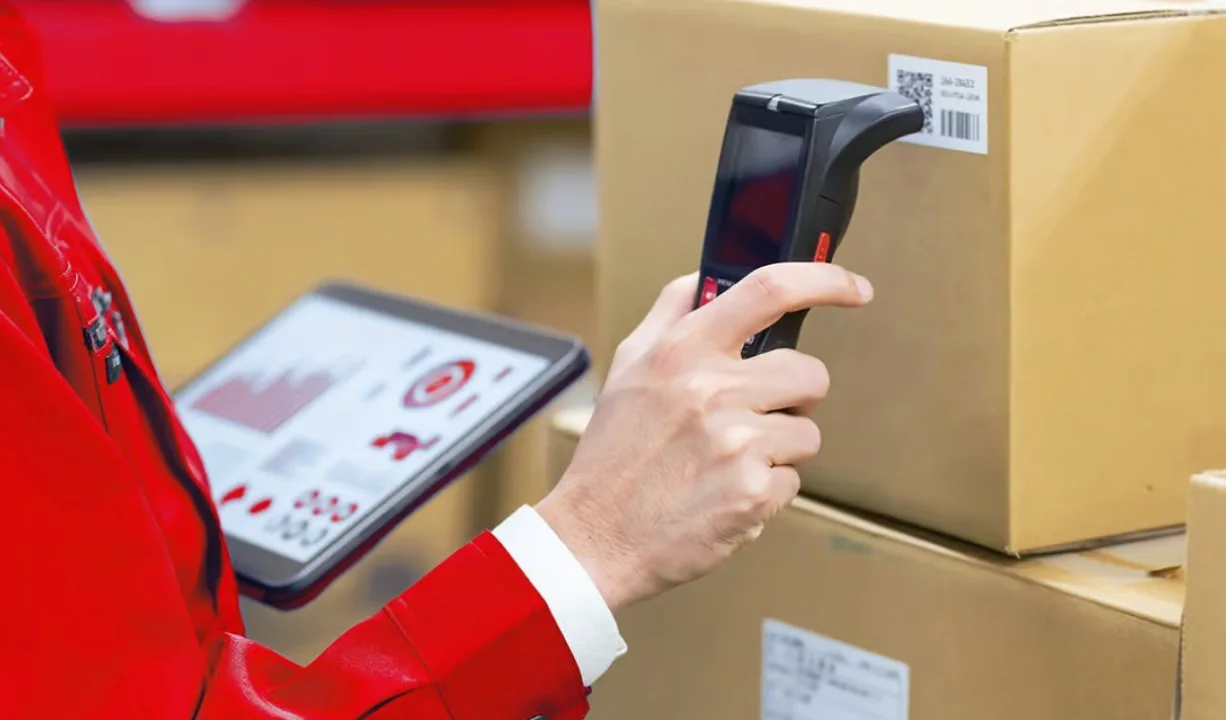
In today’s global and interconnected marketplace, the authenticity, safety, and integrity of products have never been more important. Brands and manufacturers across industries are turning to supply chain traceability as a solution, with effective product labeling serving as a cornerstone in this effort. By integrating a regulatory information management system, companies can better manage compliance and communications throughout the product lifecycle, ensuring that both business practices and customer needs are met with precision and transparency. As supply chains grow in complexity, the demand for reliable traceability increases. Effective product labeling does not simply identify an item, but it provides a pathway for verifying its journey through multiple hands, from source to shelf. This practice protects businesses against threats like counterfeiting, fraud, and regulatory violations, while reassuring consumers that the products they depend on are safe and authentic.
Understanding Supply Chain Traceability
Supply chain traceability is the ability to systematically track the movement and transformation of products, components, and materials as they travel through the supply chain. Each handoff or transformation along the supply chain should be recorded and accessible, creating a reliable chain of custody. This level of transparency becomes crucial when contamination, defects, or recalls signal potential threats to consumer safety or business reputations. Implementing traceability helps detect weaknesses and ensures that responsible parties can quickly locate and address points of failure. According to experts at Forbes, robust traceability frameworks can help businesses not only comply with regulations but also optimize operations and reduce risks.
The Role of Product Labeling in Traceability
Product labeling is the primary mechanism for connecting physical goods to their digital records. Through batch numbers, barcodes, QR codes, RFID tags, or serialized identifiers, labels tie a product back to its documented history. This gives stakeholders, from regulators to end consumers, the means to verify details about the origin, production, and shipment of every item. In highly regulated sectors, such as pharmaceuticals and food, traceability labels are even more vital. For instance, a pharmaceutical label may include a serialized code that links directly to manufacturing data, shipment logs, and even factory inspection records. These data points make it easier to take swift action in the event of contamination or a safety concern, ultimately protecting public health.
Implementing Traceability in Product Labeling
Businesses adopting traceability must take a strategic approach:
- Standardized Labeling Systems: Using global standards, such as those from GS1, ensures that data is readable and interoperable across different supply chain partners, jurisdictions, and technologies.
- Advanced Technologies: Radio Frequency Identification (RFID), blockchain, and advanced scanning technologies enhance tracking accuracy. Blockchain, for example, provides an immutable record of every transaction, improving accountability and transparency in high-stakes industries.
- Comprehensive Record-Keeping: Every stage of a product’s journey, from sourcing and manufacturing to distribution and sales, should be logged and connected to its label. Investing in digital infrastructure ensures that relevant information can be retrieved instantly when needed.
Benefits of Traceability in Product Labeling
- Enhanced Consumer Trust: Brands that openly share their products’ origin and processing details build customer loyalty. Shoppers are more likely to trust and repurchase from companies that prioritize transparency.
- Regulatory Compliance: Governments and international bodies increasingly require proof of product origin, safety, and ethical sourcing. Implementing traceable labeling makes audits and compliance reporting much less burdensome and helps avoid costly legal penalties.
- Efficient Recall Management: When contamination or defects are discovered, traceable product labels allow businesses to pinpoint exactly which batches are affected. This minimizes both public risk and financial damage by enabling rapid, targeted recalls.
Challenges and Considerations
- Implementation Costs: Advanced labeling systems and data infrastructure require upfront investment. Many businesses must train staff and modify internal processes to support traceability and labeling initiatives.
- Data Management: Tracking millions of products across multiple tiers generates vast quantities of data. Companies need secure, scalable systems and clear data management policies to handle, store, and protect this sensitive information.
- Supply Chain Complexity: Modern supply chains can span many countries, partners, and regulatory environments. Reaching consensus on standards and technologies across stakeholders can slow progress, especially for global brands.
Real-World Applications
Traceability in product labeling is transforming many industries. In the food industry, companies use traceability labels to trace the journey of fresh produce from farm to table, protecting consumers from outbreaks and contamination. Retailers and regulators can quickly identify sources of problems and remove affected products from circulation. The pharmaceutical industry implements serialization and unique identifiers to combat counterfeit drugs and ensure medication safety, saving lives and safeguarding trust in healthcare supply chains. Even outside these high-stakes sectors, the benefits extend to electronics, apparel, and luxury goods, where traceability helps verify authenticity and prevents gray-market sales. As more brands recognize these benefits, expect robust traceability to become a benchmark for ethical and responsible business.
Conclusion
As demand for transparent, responsible business practices intensifies, supply chain traceability in product labeling is essential for sustainable success. By adopting advanced technologies, standardized systems, and comprehensive record-keeping, businesses ensure that every product tells an honest story. This transparency is not just about compliance; it is about building a foundation of trust that supports growth and protects consumers in an uncertain world. In addition, effective traceability strengthens quality control, improves risk management, and enables faster responses to product recalls or supply chain disruptions. Consumers increasingly want to know where products come from, how they are made, and whether they align with ethical and environmental standards. Companies that provide this level of visibility can differentiate themselves in competitive markets and foster stronger customer loyalty. As regulations continue to evolve and consumer expectations rise, investing in traceability systems is becoming a strategic necessity for long-term resilience and business credibility.

David Weber is an experienced writer specializing in a range of topics, delivering insightful and informative content for diverse audiences.