
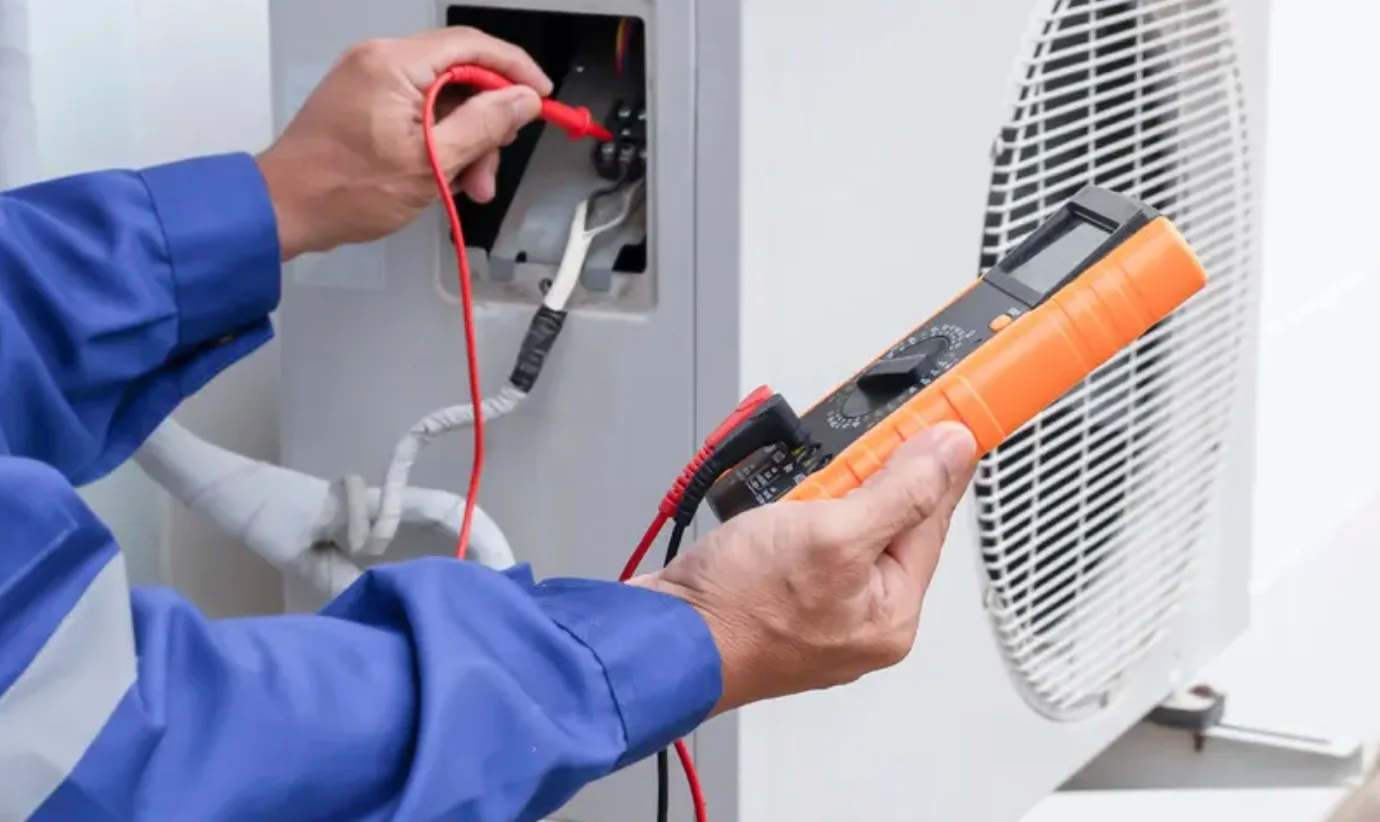
The quality of indoor air plays a significant role in overall comfort, health, and productivity within homes and workplaces. HVAC systems influence how air circulates, how pollutants are filtered, and how moisture levels are controlled. When these systems develop faults or operate inefficiently, the balance of indoor environments can be disrupted, allowing dust, allergens, and other contaminants to accumulate. Timely repair of HVAC components helps restore proper airflow, stabilize temperature control, and maintain cleaner breathing conditions.
Understanding how maintenance and repair activities affect air quality is essential for creating healthier living spaces where occupants can function comfortably throughout the day.
Indoor Air Quality Focus Areas
- Airflow and System Performance
Maintaining steady airflow throughout a building is one of the most important roles of a heating and cooling system. When ducts become obstructed or internal components begin to wear, air distribution becomes uneven, leading to stagnant areas and inconsistent temperatures. This imbalance can contribute to discomfort and allow contaminants to linger in certain rooms. Proper system performance ensures that air moves continuously through filters and ventilation points, reducing the buildup of dust and airborne particles.
Maintaining this continuous movement is a fundamental step in protecting the long-term health of a property. When mechanical components are functioning as intended, they can more effectively regulate environmental factors that contribute to a steady atmosphere. For those who want to ensure their internal systems remain in peak condition, it is often helpful to get in touch with experienced professionals who can evaluate equipment performance. Addressing small concerns before they impact air clarity supports a more balanced environment, helping to limit the presence of irritants and ensuring that the living space remains comfortable for all occupants throughout the changing seasons.
Regular attention to airflow-related issues helps prevent unnecessary strain on system components and supports more efficient circulation.
When cold weather sets in, keeping your heating equipment in optimal condition becomes essential for a balanced indoor climate. Homeowners who want to secure long-term warmth can continue reading to understand how seasonal checkups protect their heating networks. Staying proactive with routine care limits operational disruptions and ensures the system distributes clean, comfortable air across every room during the winter months.
Sustaining this balance becomes particularly important as outdoor temperatures drop and heating requirements rise. When internal elements begin to fail, mechanical systems struggle to distribute warmth evenly, which can cause significant variations in comfort across different rooms. Scheduling a timely evaluation for furnace repair in Henderson can help address these performance issues early, ensuring that your heating system maintains proper circulation and supports clean, consistent air quality throughout the colder months.
In environments where people spend long hours indoors, consistent air movement is essential to reducing pollutant concentrations. Without proper airflow, even well-maintained systems can struggle to maintain healthy conditions, which is why addressing performance issues promptly is important for sustaining a stable indoor atmosphere across all occupied spaces within the building.
- Timely Repairs and Air Purity
When heating and cooling systems continue to run with unresolved problems, indoor air quality may gradually be affected. Issues such as blocked filters, refrigerant issues, or aging components can reduce system efficiency and allow dust, odors, and airborne particles to circulate throughout indoor spaces. Taking care of these problems early helps maintain cleaner airflow and prevents contaminants from building up inside the environment. A reliable approach to HVAC care keeps ventilation moving properly and allows filtration systems to remove unwanted particles more effectively. Homeowners and property managers can schedule HVAC Repair Service at the right time to address system issues before they lead to larger air quality challenges.
Prompt repairs help restore proper operation, reduce stress on equipment, and maintain balanced indoor conditions.
When mechanical systems are kept in top condition, they can better regulate the internal atmosphere and reduce the circulation of unwanted particles. Addressing minor technical issues as they arise is a practical way to support the efficiency of filtration and ventilation throughout a building. For residents who want to ensure their cooling systems are functioning correctly during the warmer months, finding a professional for ac repair in Spring Hill can help maintain a stable environment. Taking these steps helps limit the buildup of dust and allergens, contributing to more consistent comfort and improved air clarity for everyone indoors.
They also support better humidity control, which helps limit moisture-related issues such as mold growth and the spread of irritants that can affect comfort and overall indoor air quality.
- Filtration System Efficiency
Air filtration systems serve as a critical barrier between indoor occupants and airborne particles that circulate through heating and cooling networks. When filters become clogged or neglected, their ability to capture dust, pollen, and other pollutants diminishes significantly. This reduction in efficiency can lead to a noticeable decline in indoor air quality, as contaminants are recirculated rather than trapped and removed. Ensuring that filtration components remain clean and functional helps maintain a healthier breathing environment and supports overall system performance. Clean filters also allow air to pass more freely, reducing strain on mechanical components and improving energy use.
In addition, efficient filtration helps maintain a more stable indoor atmosphere by limiting the spread of irritants that can cause discomfort. Over time, maintaining strong filtration practices plays a key role in preserving air clarity and supporting a more comfortable living or working environment for occupants consistently maintained.
- Humidity Balance and Comfort
Indoor humidity levels have a direct impact on both air quality and occupant comfort. When humidity is too high, it can create conditions that support mold growth and increase airborne irritants. When it is too low, it may lead to dry air, causing respiratory discomfort and skin and eye irritation. Heating and cooling systems play a significant role in regulating these levels by controlling moisture distribution throughout indoor environments. Proper system operation ensures that humidity remains within a balanced range, reducing the likelihood of conditions that negatively affect air quality.
Maintaining this balance also supports the efficiency of filtration systems, as overly moist or dry air can interfere with their performance. Consistent humidity regulation contributes to a more stable and comfortable indoor environment, helping occupants experience better air quality and improved overall well-being throughout daily activities.
- System Cleanliness and Contaminant Control
The internal cleanliness of heating and cooling systems has a strong influence on indoor air quality. Dust buildup, microbial growth, and debris accumulation within ducts or components can be redistributed throughout living and working spaces if not addressed promptly. This can result in reduced air clarity and increased exposure to unwanted particles. Regular attention to system cleanliness helps reduce these risks and ensures that air passing through the system remains as free from contaminants as possible. Proper maintenance of internal components also supports consistent airflow and prevents blockages that may restrict circulation.
When systems remain clean and well-maintained, they operate more smoothly and contribute to a healthier indoor environment. This condition is especially important in buildings where occupants rely heavily on mechanical ventilation for air exchange and comfort throughout the day, while consistently reducing exposure to airborne contaminants indoors over extended periods.
- Air Distribution and Ventilation Stability
Balanced air distribution across indoor environments ensures that every occupied space receives adequate ventilation and temperature regulation. When airflow becomes uneven due to duct issues, mechanical wear, or blockages, certain areas may experience poor air quality while others receive excessive circulation. This imbalance can affect comfort and contribute to the buildup of stagnant air pockets. Maintaining stable ventilation supports consistent airflow throughout the system, helping to disperse pollutants and regulate indoor conditions more effectively. It also reduces strain on system components by preventing overcompensation in certain zones.
Proper air distribution contributes to a healthier indoor atmosphere by ensuring that fresh air reaches all areas and that stale air is continuously replaced. Over time, maintaining stable ventilation supports both comfort and air quality in environments where people live and work, especially in spaces with high occupancy and continuous indoor activity throughout the day.
- Preventing Long-Term Air Quality Decline
Over extended periods, neglecting minor heating and cooling system issues can lead to gradual deterioration of indoor air quality. Small inefficiencies that go unaddressed may accumulate, resulting in reduced ventilation performance and increased airborne contaminant levels. This can create environments where comfort is compromised, and respiratory irritation becomes more common. Maintaining consistent attention to system performance helps prevent these long-term issues and supports stable indoor conditions. Addressing emerging concerns early ensures that air circulation remains effective and that filtration systems continue to function properly. Regular system care also reduces the likelihood of unexpected breakdowns that could further impact air quality.
By maintaining proper operating conditions, indoor environments remain healthier and more comfortable for occupants over time, supporting both productivity and overall well-being. We also observe improvements in consistency of airflow and pollutant control within enclosed environments through sustained maintenance practices over time.
Maintaining indoor air quality requires consistent attention to the condition and performance of heating and cooling systems. When these systems are allowed to function without interruption by unresolved issues, they help maintain clean, balanced air throughout indoor environments. Timely attention to mechanical concerns ensures that airflow remains stable, filtration systems operate effectively, and humidity levels stay within a comfortable range. These factors work together to reduce airborne contaminants and support healthier living and working spaces. Prioritizing system care ultimately contributes to improved comfort, reduced health risks, and more stable indoor environmental conditions for occupants over time.

David Weber is an experienced writer specializing in a range of topics, delivering insightful and informative content for diverse audiences.