
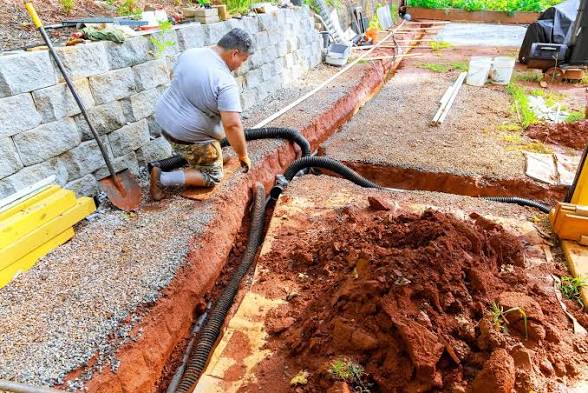
A well-maintained drainage system protects a home from water damage, foundation issues, and mold growth. Whether your property is on a slope or sits on flat ground, routine attention to gutters, downspouts, yard drains, and sub-surface systems keeps small problems from turning into expensive repairs. This article outlines practical maintenance tasks, signs to watch for, and guidance on when to call a professional so your drainage system continues to perform efficiently year-round.
Regular Inspections and Seasonal Scheduling
Begin each season with a visual inspection of your roofline, gutters, and visible drain outlets. Look for sagging gutters, loose fasteners, obvious clogs, and pooling water around foundations or low spots in the yard. After heavy storms, check for displaced grates and scattered debris. Schedule more thorough inspections in late spring and early fall; spring removes winter debris and salt, while fall clears leaves and prepares systems for winter freezes. Regular inspections prevent slow-developing issues from escalating.
Gutter and Downspout Care
Gutters and downspouts are the first line of defense for channeling water away from a home. Clean gutters at least twice a year and more often if tall trees overhang the roof. Remove leaves, twigs, and sediment by hand or with a scoop and flush the gutters with a hose to confirm proper flow. Check downspouts for obstructions and test that water discharges several feet from the foundation; use a downspout extension or splash block where needed. Replace any bent sections, tighten hangers, and seal joints with appropriate caulk or sealant to prevent leaks. Consider professional Gutter Services for seasonal cleanings and inspections if ladders or roof access pose a safety risk.
Yard Drainage and Surface Water Management
Surface grading is crucial: soil should slope away from the foundation a minimum of 6 inches over the first 10 feet where practical. Where natural topography or neighbors’ yards force water toward your home, install swales or shallow French drains to redirect runoff. Keep grates and catch basins free of leaves and mulch and routinely remove sediment buildup that reduces capacity. Maintain permeable landscaping where possible—healthy lawns and planted swales absorb and slow runoff better than compacted soil or impervious surfaces.
Dealing with Clogged or Slow Drains
Slow drains and backups are common early warnings. For sink and indoor plumbing clogs, use a plunger or drain snake before chemical cleaners, which can damage pipes and fixtures. Outdoor drains may become clogged with roots, leaves, and debris; flush them with a high-pressure hose or consider a mechanical auger for stubborn obstructions. For underground lines, a camera inspection can reveal invasive roots, bellied pipes, or collapsed sections that flushing won’t fix. Address small blockages promptly to avoid backups that can push water into basements or crawl spaces.
Sump Pumps and Basement Protection
Sump pumps are critical where basements are below the water table or in flood-prone areas. Test pumps before rainy seasons by pouring water into the sump pit to ensure activation and proper discharge. Install a battery backup or secondary pump if power outages are a concern. Keep the pit free of debris and check the check valve and discharge line for clogs or ice in colder months. Waterproofing measures such as interior French drains, sealed foundation walls, and vapor barriers complement a functional drainage system and reduce humidity-related issues.
Long-Term Upkeep and Common Repair Signs
Monitor for signs that indicate more than routine maintenance is needed: uneven or sinking yard areas, persistent damp spots near the foundation, peeling exterior paint, or mold growth on basement walls. These can signal compromised drainage that requires grading corrections, extended downspout lines, or professional remediation. Roof and flashing issues can also direct water into eaves and gutters, making timely Gutter Repair an important part of preventing water intrusion. In some cases, aging or severely damaged systems may benefit more from complete Gutter Installations than repeated repairs, particularly when existing gutters no longer provide adequate drainage. For properties with mature trees, periodic root inspections near sewer and drain lines can prevent invasive root damage that leads to blockages and pipe failure.
Safety and Efficient Maintenance Practices
Always prioritize safety when working on or near roofs and gutters. Use a sturdy ladder with a spotter, wear gloves, and protect your eyes when clearing debris. When using pressure washers or mechanical augers, follow manufacturer instructions to avoid damaging gutters or pipes. Photograph problem areas during inspections to track changes over time and to provide documentation for contractors or insurance if repairs become necessary. Keep a seasonal maintenance log noting dates of cleanings, repairs, and inspections to stay proactive.
When to Hire Professionals
Basic tasks like gutter cleaning and surface grading can often be handled by homeowners with tools and caution. However, if you encounter persistent backups, damaged underground pipes, or complex grading issues, a licensed contractor can assess the root cause and recommend long-term solutions. Professionals bring specialized equipment such as camera inspection tools, trenchless pipe repair techniques, and heavy machinery for regrading jobs that are beyond DIY scope. They can also evaluate whether targeted repairs are sufficient or if new Gutter Installations would provide a more effective long-term solution for managing roof runoff and protecting your property. Early professional intervention can save both time and money by preventing recurring problems.
A reliable drainage system is one of the most effective defenses against water-related home damage. Routine inspections, timely cleaning, and sensible upgrades keep water moving away from your home and reduce the risk of costly repairs. With seasonal attention and sensible investment in both DIY care and professional services when needed, you’ll preserve the structural health of your property and protect its value for years to come.
