
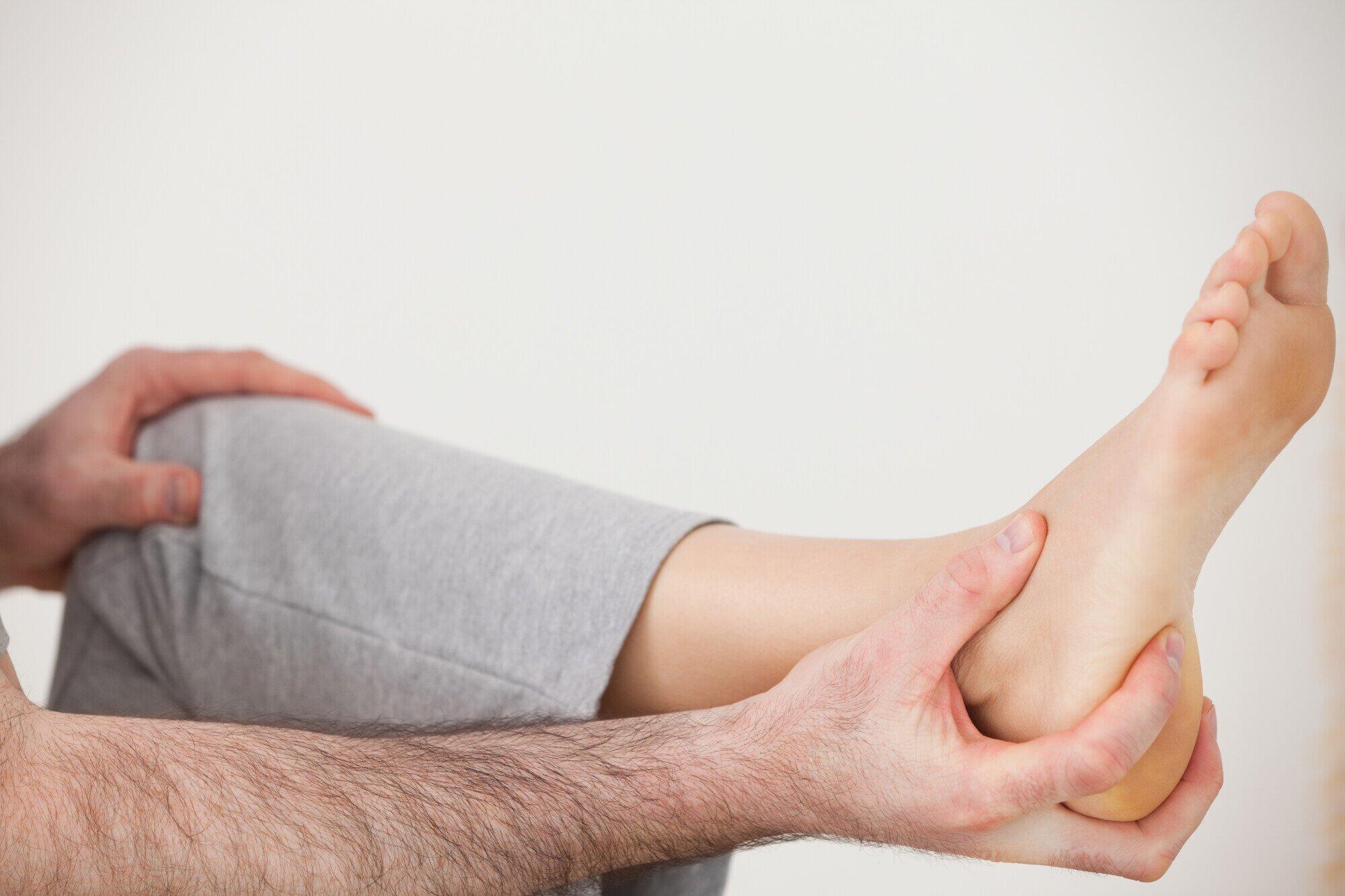
Waking up with a sharp pain in your heel can ruin your entire morning. This discomfort makes simple tasks like walking to the kitchen feel like a challenge. Many people push through the discomfort, hoping it goes away on its own.
Ignoring the issue leads to long-term foot issues that disrupt your daily routine. Understanding the root cause of this pain helps you find relief. Taking action early keeps you moving without constant pain.
Root Causes of Heel Pain
Foot pain often comes from physical stress during daily activities. Getting a proper plantar fasciitis treatment plan helps people regain their mobility and get back to regular exercise. Choosing the right footwear reduces stress on your feet.
Repeating the same movements puts a lot of pressure on the bottom of the foot. Active people often feel irritation from running or standing for long periods. Poor arch support makes the condition worse quickly.
Sudden changes in your activity level can strain the foot muscles. Walking on hard surfaces without good padding increases stress. Keeping a healthy weight reduces the load on your feet and legs.
Identifying the Symptoms
The condition starts when the thick band of tissue on the bottom of your foot becomes irritated. Overstressing this tissue can also trigger the pain. This ligament supports your arch and absorbs shock when you walk. Damage to this tissue creates a stabbing sensation near the heel.
The discomfort peaks during your very first steps in the morning. Sitting for an extended period can bring back the stiffness. Regular movement helps ease the tight sensation temporarily.
Chronic pain can alter your natural gait. This imbalance creates secondary discomfort in your knees, hips, or back. Addressing the symptoms early prevents these secondary complications.
Simple Solutions for Daily Relief
Managing foot pain does not need complex medical interventions. Simple adjustments to your daily habits can make a massive difference. You can try several practical steps at home to alleviate the strain:
- Massaging the sole before standing reduces morning heel pain.
- Applying ice packs decreases localized inflammation.
- Wearing supportive shoes protects the arch from impact.
Resting your feet during acute flare-ups prevents further tissue irritation. Gentle calf stretches keep the lower legs flexible. Consistent care speeds up the recovery process.
Using night splints can keep your foot in a neutral position during sleep. This technique prevents the ligament from tightening up overnight. Many individuals notice decreased morning pain after using these devices regularly.
Surgical Options and Modern Care
Most individuals find relief through non-invasive therapies. Only about 5% of people with this foot condition need surgical intervention. Doctors reserve procedures for severe cases that fail to respond to standard care.
Advanced medical assessments help identify specific structural abnormalities. Podiatrists can design custom orthotics to distribute weight evenly across your sole. Exploring conservative options remains the best initial approach.
Physical therapy sessions provide targeted exercises to strengthen your foot muscles. Medical providers track your progress to modify your recovery plan. Investing time in recovery prevents future re-injury.
Moving Forward Comfortably
Prioritizing foot health allows you to stay productive and active. Small changes in your routine protect your feet from chronic strain. Listening to your body prevents minor aches from turning into major disruptions.
If you’d like to learn more, check out more articles on our blog.
