
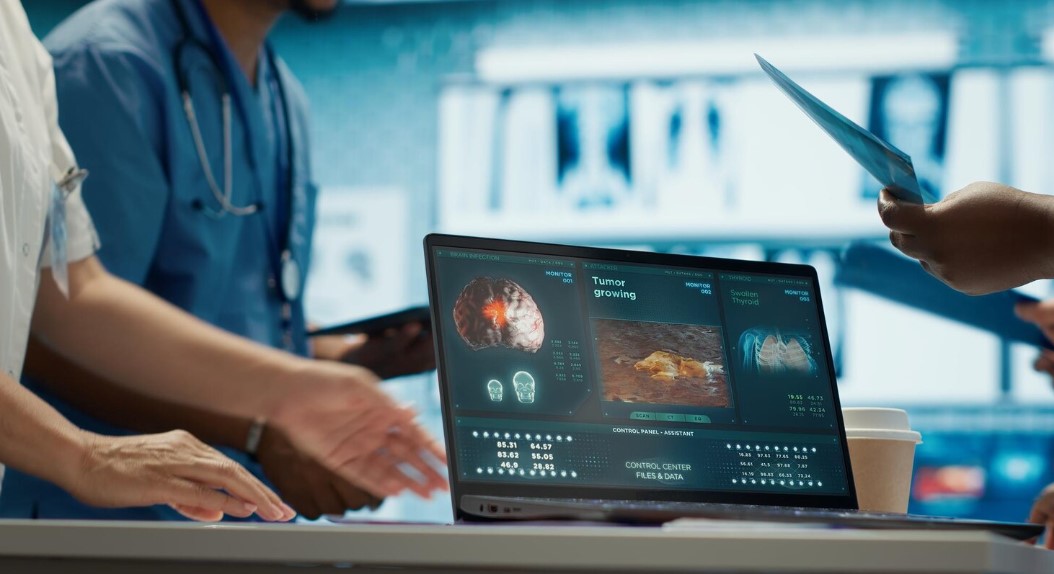
Digital transformation and patient care are becoming more connected every year. New technology is changing the way healthcare is delivered. It helps patients get care more quickly and more easily.
Healthcare providers can also work better with the right digital tools. This leads to better care and a better experience for patients. As technology continues to improve, healthcare will keep changing for the better.
Read on to see how digital transformation and patient care are shaping the future of healthcare.
Better Access to Healthcare Services
Getting healthcare is much easier than it was before. People can speak with a healthcare provider without making a long trip. This is a big help for those who live far from hospitals or clinics. It also makes it easier for people with busy schedules to get the care they need.
Online booking systems save time and make appointments easier to manage. Faster access often means people seek treatment sooner. Early care can stop small health problems from becoming more serious. More people can now receive the support they need when they need it. Better access leads to better health for many communities.
Faster Communication Between Patients and Providers
Good care starts with good communication. Patients can ask questions online instead of waiting for the next visit. Healthcare providers can reply sooner when there is a concern. This helps patients feel informed and supported during treatment.
Appointment reminders also help people avoid missing important visits. Test results and care updates can be shared more quickly. Families can stay informed when needed. Better communication builds trust between patients and healthcare providers. It also helps improve the quality of care.
Smarter Medical Record Management
Keeping medical records organized is now much easier. Healthcare providers can quickly find the information they need. This saves time during appointments and emergencies. It also helps prevent important details from being missed.
Different healthcare providers can view updated records when needed. This makes care more connected from one visit to the next. Many healthcare organizations also use digital healthcare solutions to improve patient records and daily services. Secure systems help protect private health information. Better record management supports safer and more efficient care.
Improved Accuracy in Diagnosing Conditions
Technology helps healthcare providers understand health problems more clearly. Medical records and test results are easier to review in one place. Better imaging and faster access to information support better decisions.
Healthcare providers can compare new and old records without delay. This helps them spot changes that may need attention. Finding problems early often leads to better treatment. Digital tools also help reduce simple mistakes. Patients benefit from more accurate diagnoses and better care. Better decisions often lead to better recovery.
More Personalized Treatment Plans
Every person has different healthcare needs. Digital records give healthcare providers a clearer picture of each patient’s health history. This helps them choose treatments that fit the individual. Care plans can be updated as a patient’s condition changes.
Progress is easier to track over time. Patients also understand their treatment better when information is easy to access. This encourages them to stay involved in their care. Personalized treatment often leads to better results. It also creates a better experience for patients.
Remote Monitoring Supports Ongoing Care
Many people now use simple devices to check their health at home. These tools collect useful information throughout the day. Healthcare providers can review the results without asking patients to visit the clinic as often. This helps detect problems before they become serious.
People with ongoing health conditions benefit from regular monitoring. Families also feel more confident knowing that health is being tracked. Fewer unnecessary hospital visits are needed. Patients can stay connected with their healthcare providers while remaining at home. This makes ongoing care easier and more convenient.
Stronger Focus on Preventive Healthcare
Technology makes it easier for people to take care of their health. It can remind them about checkups, screenings, and medicines. Many people also use health trackers to build better daily habits. Healthcare providers can spot health risks earlier than before.
Early action often prevents bigger health problems later. Patients become more aware of their own health. Helpful information is easier to find through digital tools. Preventive care helps people stay healthier for longer. Small healthy habits can make a big difference over time.
Better Coordination Across Healthcare Teams
Many patients receive care from more than one healthcare provider. Digital systems help these professionals work together more easily. Everyone can see the latest medical records when needed. This reduces repeated tests and unnecessary delays. It also helps keep treatment plans consistent.
Better teamwork makes patient care smoother from start to finish. Patients receive more connected care throughout their treatment. Good communication between healthcare teams improves safety. Working together leads to better outcomes.
Greater Patient Engagement
Patients now have more ways to stay involved in their own healthcare. They can check appointments, view health records, and read helpful information online. This gives them a better understanding of their treatment. Patients also feel more comfortable asking questions.
They become more confident when making health decisions. Following a treatment plan becomes easier with regular updates. Good communication encourages stronger relationships with healthcare providers. Patients who stay involved often enjoy better results. Active participation supports better long term health.
Increased Efficiency in Healthcare Operations
Technology helps healthcare services run more smoothly every day. Many routine tasks can now be completed much faster. Staff spend less time dealing with paperwork and manual processes. Appointment scheduling is quicker and more organized.
Medical records can also be updated more easily. This gives healthcare providers more time to focus on patients. Better systems reduce delays across the healthcare process. Patients spend less time waiting for services. Everyone benefits from a more efficient healthcare system.
Digital Transformation Is Truly Changing the Future of Patient Care
Digital transformation and patient care are moving forward together as healthcare continues to change. Technology is helping people receive care more quickly, more safely, and with better support. Healthcare providers also have better tools to make informed decisions and deliver quality treatment.
Patients benefit from easier access, clearer communication, and more personalized care. These improvements help create better experiences for everyone involved.
As digital technology continues to grow, healthcare will become even more connected and more efficient. The future will focus on making patient care simpler, smarter, and more effective.
Should you wish to read more, visit our main blog page. We’ve got more topics!
