
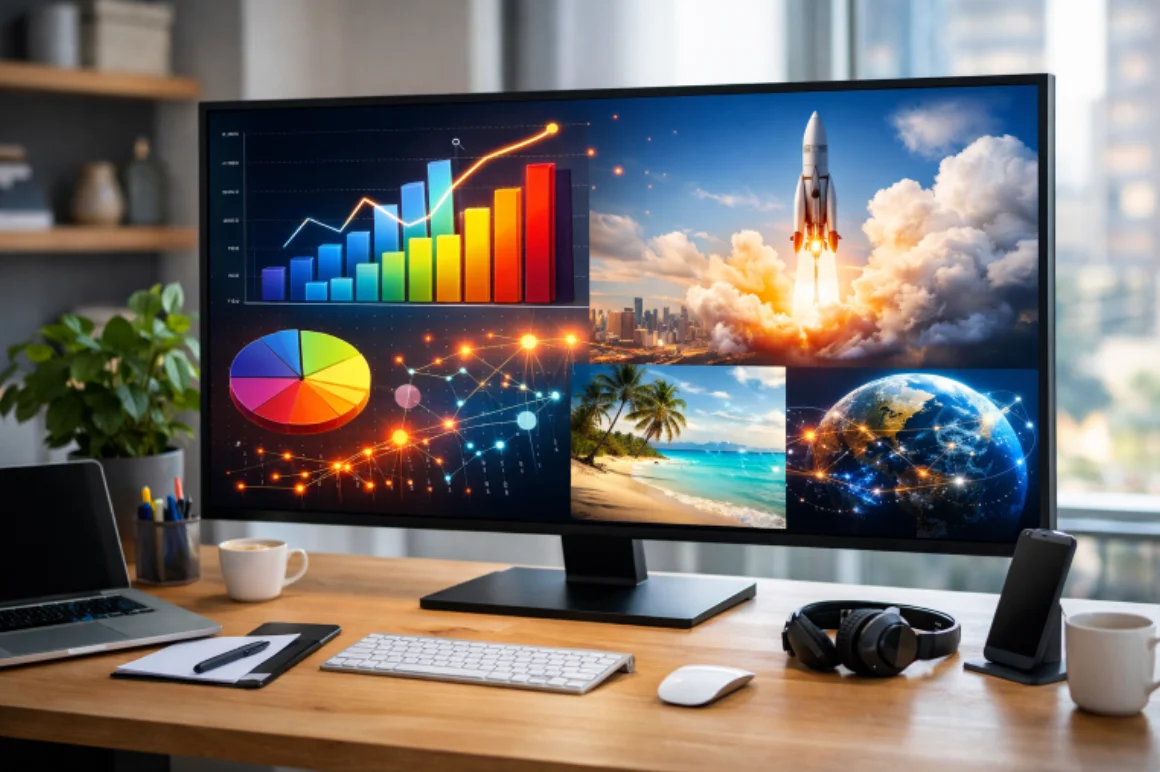
In today’s digital landscape, connecting with audiences requires clarity, creativity, and a visually engaging message. Traditional slide decks filled with walls of text are no longer enough to capture attention or drive home an idea. Smart presentation tools have redefined how people share information by making presentations more dynamic, interactive, and memorable. Leveraging the latest technology, platforms like Beautiful.ai presentation software empower users to communicate with compelling visual storytelling techniques that elevate every message.
The benefits of smart presentation platforms extend beyond aesthetics. They allow professionals to craft stories that resonate, improving both retention and understanding. As a result, organizations of all sizes are embracing these tools to ensure their messages stand out in meetings, webinars, and classrooms.
The Rise of Visual Storytelling
Visual storytelling uses images, charts, graphics, and narratives to improve how information is shared and understood. Psychology and marketing studies have confirmed that visuals can dramatically increase how much people remember, with viewers retaining far more from a presentation that relies on video and imagery than from a text-centric approach. This fundamental shift is changing business meetings, educational settings, and public speaking events worldwide. Creating stories with visuals helps audiences relate to, remember, and act upon what they have seen.
Organizations are now prioritizing visual narrative techniques because of their proven impact. They not only make complex concepts more accessible but also differentiate one presentation from countless others. According to a study cited by Forbes, people are much more likely to feel inspired and persuaded by strong visual stories. This trend underscores the urgent need for communicators to build visual storytelling skills to succeed in the digital era.
AI Integration in Presentation Tools
Artificial Intelligence is streamlining the process of creating stunning presentations. Instead of spending hours manually fine-tuning layouts, color schemes, or data visualizations, presenters can now rely on AI-powered platforms to generate creative solutions. Intelligent algorithms can suggest layouts based on content, recommend graphics, and even select visual themes to enhance cohesion and audience appeal. This assistance means presenters are free to focus on finding the right message, while smart tools handle the technical and design details.
Beyond design, AI also supports content improvement. Features such as automatic summaries, speech-to-text transcriptions, and language suggestions help presenters polish their narrative for different audiences. As AI continues to evolve, its role in helping communicators efficiently produce high-quality, customized presentations is expected to grow.
Enhancing Collaboration and Engagement
Modern presentation solutions have been designed for seamless team collaboration. With cloud-based platforms and real-time co-authoring, teams can brainstorm ideas, comment on specific slides, and build presentations together without geographic barriers. This level of collaboration enhances productivity and ensures diverse insights are incorporated.
Audience engagement has also become a focal point in presentation technology. Interactive polls, embedded videos, quizzes, and live question-and-answer features encourage active participation. These interactive elements transform the experience from a passive, one-way exchange into a lively, two-way conversation, helping presenters measure understanding and adapt in real time. For more on driving effective engagement in digital communications, see this deeper dive by Inc.com.
SEO Optimization for Presentations
As presentations become more central to digital content strategies, their discoverability online has become critical. Optimizing presentations for search engines ensures valuable materials are visible to a wider audience. This involves incorporating relevant keywords in slide titles and descriptions, choosing SEO-friendly file names, and adding alt text to images.
Transcribing presentation audio and providing these transcripts online not only enhances accessibility but also helps meet search engine requirements for content depth and relevance. Embedding multimedia, such as videos and infographics, can further increase the time users spend engaging with your presentation, potentially improving its ranking. Search Engine Journal provides a helpful overview of content SEO best practices for those looking to improve their content’s online reach.
Future Trends in Presentation Technology
Looking ahead, the presentation landscape is set to be further shaped by immersive technologies. Augmented Reality (AR) and Virtual Reality (VR) are fast becoming more accessible to a mainstream audience. These tools enable presenters to create interactive environments where viewers can engage with 3D models, explore virtual meeting spaces, or experience stories in first-person. This marked shift will allow for deeper audience immersion and a more memorable impact when presenting complex ideas or data.
Additionally, voice integration, gesture control, and advanced analytics are expected to play a larger role. As these technological innovations roll out, businesses and educators alike will need to update their presentation skills and platforms to remain relevant regularly.
Conclusion
The journey from static slides to intelligent, immersive presentation tools is transforming communication across industries. By embracing AI-driven design, fostering engagement, optimizing for SEO, and staying on top of emerging trends such as AR and VR, anyone can craft truly impactful presentations. Remaining adaptable and proactive in learning these skills is the key to thriving in the fast-changing digital communication landscape.

David Weber is an experienced writer specializing in a range of topics, delivering insightful and informative content for diverse audiences.
Appreciate the depth in this piece. For lyrics + melody in seconds, see TextSong at . TextSong
I’ve been playing here for a few weeks now and the payouts are surprisingly fast. Definitely one of the smoother experiences I’ve had lately. Check out may888bet for a great time.