
Modern logistics is experiencing a complete transformation, driven by innovative technologies that are shaping how goods are moved, managed, and delivered worldwide. From automation to real-time analytics, these advances are not only increasing operational efficiency but also making supply chains more resilient against disruptions. As companies look to refine their processes, partnering with a proven Logistics Transportation Company can provide the technical expertise and capabilities needed for success in a rapidly changing market.
Logistics technology upgrades deliver valuable benefits for businesses of all sizes. By using smart solutions for routing, inventory management, and customer communications, organizations can significantly reduce costs and error rates. Better visibility, transparency, and responsiveness are becoming the new industry standards, enabling logistics providers to serve customers faster and more reliably than ever before.
Companies are increasingly leveraging automation and AI in their warehouses, transportation, and delivery operations. The integration of robotics, predictive analytics, and connected devices means fewer bottlenecks and more data-driven choices at every stage of the supply chain. As labor markets shift and customer expectations rise, those who adopt these tools gain a distinct market advantage.
For businesses seeking scalable solutions that adapt as their needs evolve, exploring reliable 3PL Transportation Services is essential. Third-party logistics providers are at the forefront of technology adoption, offering integrated systems that streamline processes from end to end.
The impact of these innovations extends across the entire logistics landscape, providing not only better service levels but also opportunities to anticipate future trends and challenges. For a broader perspective on logistics technology, see this comprehensive analysis from The Wall Street Journal.
Artificial Intelligence (AI) is rapidly becoming the backbone of smart logistics. By automating complex decision-making, AI dramatically improves forecasting, inventory management, and route optimization. AI-powered tools can analyze historical shipping data and real-time market information to more accurately predict demand and keep supply chains agile. In fact, some studies indicate that advanced AI systems can reduce forecasting errors by up to 50%, minimizing both surplus and shortages. AI also brings flexibility to logistics, enabling on-the-fly adjustments to delivery schedules in response to sudden changes in traffic, weather, or other disruptions. Learn more about the rise of AI in supply chain management from this detailed feature by Forbes.
The Role of Artificial Intelligence in Logistics
Artificial Intelligence (AI) is rapidly becoming the backbone of smart logistics. By automating complex decision-making, AI dramatically improves forecasting, inventory management, and route optimization. AI-powered tools can analyze historical shipping data and real-time market information to more accurately predict demand and keep supply chains agile. In fact, some studies indicate that advanced AI systems can reduce forecasting errors by up to 50%, minimizing both surplus and shortages. AI also brings flexibility to logistics, allowing delivery schedules to be adjusted on the fly in response to sudden changes in traffic, weather, or other disruptions. Learn more about the rise of AI in supply chain management from this detailed feature by Forbes.
Automation and Robotics in Warehousing
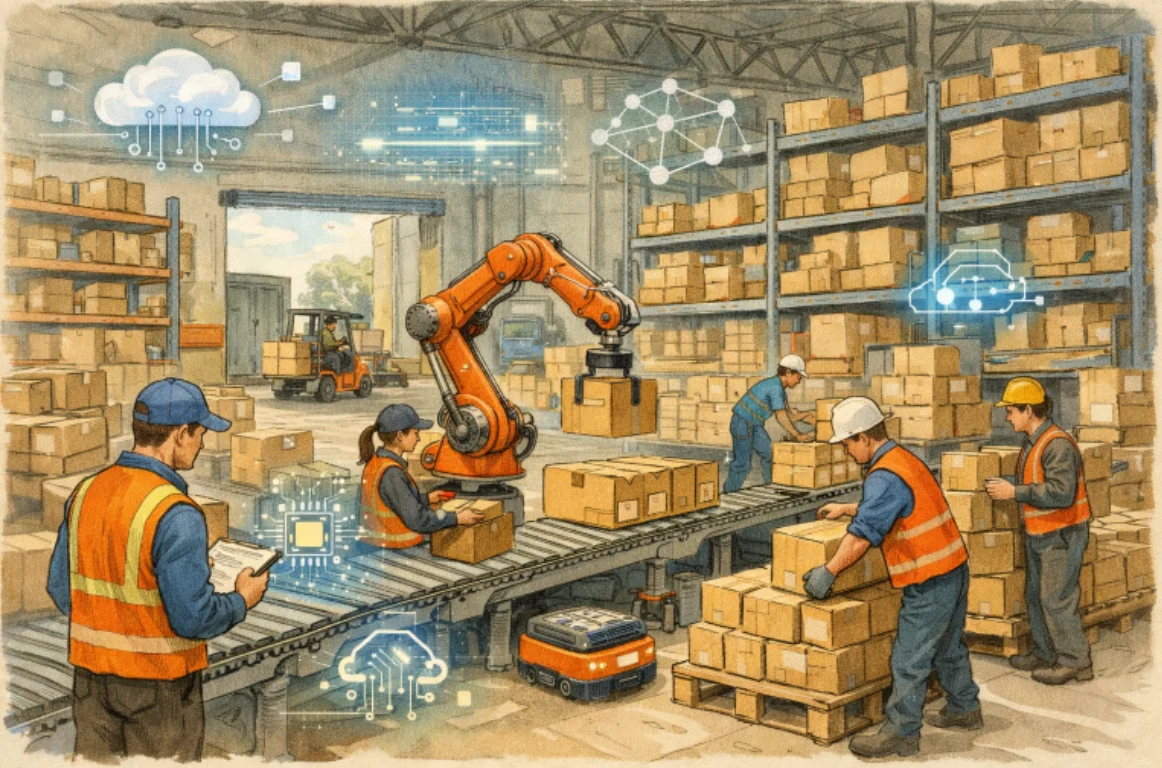
Automation is revolutionizing the warehousing segment by replacing manual, repetitive tasks with robotic systems that work faster and more accurately. Autonomous mobile robots (AMRs), conveyor systems, and robotic arms cut operational time and reduce physical strain on employees. These systems are being used for picking, packing, and transporting goods across facility floors, resulting in fewer errors and higher throughput. By automating routine warehouse tasks, logistics providers can improve scalability and respond quickly to demand surges or supply chain disruptions.
Real-Time Data Analytics and IoT Integration
The integration of real-time data analytics and the Internet of Things (IoT) is enabling logistics companies to achieve unprecedented control and visibility across supply chains. IoT sensors continuously track vehicle locations, monitor cargo conditions, and relay maintenance needs. This constant data flow feeds into analytics platforms that can detect inefficiencies, anticipate equipment failures, and predict potential supply chain interruptions. The result is an agile, responsive approach that keeps deliveries on time while optimizing assets across the entire transport network.
Enhancing Last-Mile Delivery with AI
The last mile of delivery is often the most time-intensive and costly stage of logistics. AI systems are streamlining last-mile routes by evaluating factors such as customer availability, current traffic patterns, and local regulations. These insights shorten delivery windows and lower operational expenses. Smart route planning can even suggest optimal parking or access points for delivery personnel, enhancing customer satisfaction and ensuring successful deliveries on the first attempt.
Blockchain for Transparent Supply Chains
Blockchain technology is emerging as a trusted method for improving transparency in logistics. By recording every transaction or shipment handoff on an immutable digital ledger, all participants in the supply chain can verify the status, origin, and handling of goods in real time. This transparency reduces disputes, facilitates regulatory compliance, and enhances consumer confidence, especially in industries where provenance and authenticity are critical requirements.
Challenges and Considerations in Technology Adoption
Despite its transformative power, technology adoption in logistics comes with significant challenges. The initial investment for new systems can be substantial, including not only equipment costs but also staff training and change management. Employee resistance and data security are vital concerns that businesses must address with clear communication strategies and robust cybersecurity measures. Companies should conduct thorough needs assessments, engage stakeholders early, and establish metrics for ongoing evaluation to ensure a smooth transition.
Future Trends in Logistics Technology
Looking ahead, the logistics sector is set for even greater change, driven by advancements in autonomous trucking, drone delivery, and AI-driven supply chain orchestration. Investment in these frontier technologies will differentiate leaders from laggards, particularly as e-commerce fuels growing expectations for speed and service. Logistics firms that prioritize innovation and digital transformation will be best equipped to navigate the complexities of tomorrow’s global economy.
In summary, adopting technology in logistics is a necessity in today’s dynamic environment. The combination of AI, automation, real-time data, and blockchain is creating smarter, more transparent, and responsive supply chains. Businesses that move quickly to integrate these solutions will not only achieve improved efficiency and accuracy but also deliver superior customer satisfaction.

David Weber is an experienced writer specializing in a range of topics, delivering insightful and informative content for diverse audiences.
Really enjoy the VIP feel they provide. It makes the whole gaming experience much more exciting. Check out 777betvipfun
Found this site through a friend and it did not disappoint. The bonuses are generous and the login process is seamless. Keep it up! idokewla