
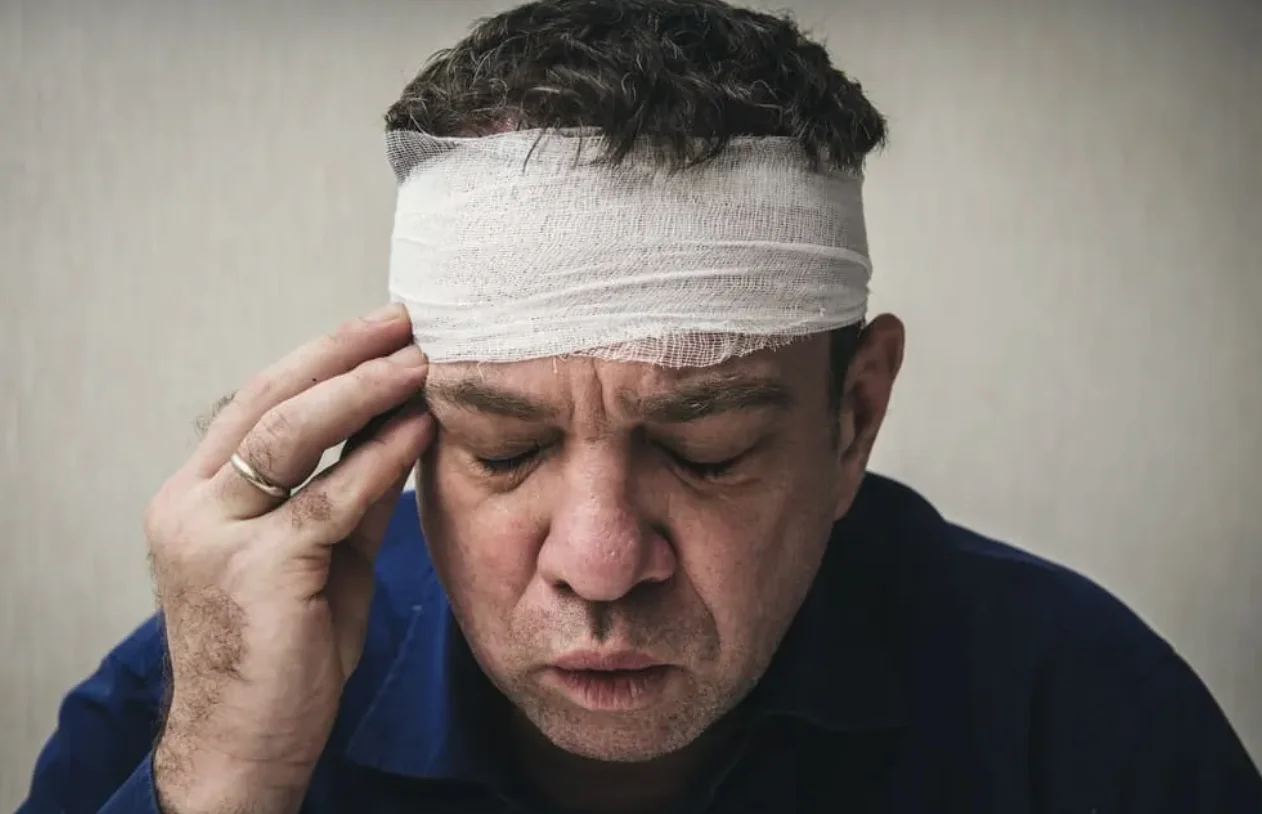
A concussion rarely looks serious from the outside. There is no cast, no visible wound, and sometimes not even a mark on the skin. But anyone who has actually had one knows the inside story is different, with headaches that will not quit, trouble focusing, mood swings that feel out of character, and a kind of mental fog that makes ordinary tasks harder than they should be. When a car crash, a fall, or another accident causes this kind of injury, the person hurt often has questions about what comes next, both medically and legally.
This is where legal guidance becomes useful. A Kansas City concussion injury lawyer can help someone understand whether their symptoms are connected to an accident, what kind of medical documentation matters, and how to handle an insurance company that may try to downplay the injury. Concussions are often treated as minor by adjusters, even though the effects can last for weeks or longer.
Why Concussions Are Easy to Miss at First
A concussion happens when the brain moves suddenly inside the skull, whether from a direct hit to the head or from a jolt that whips the body and head around. Car accidents, bike crashes, slip and falls, and even low-speed fender benders can all cause this kind of injury. The strange part is that a person does not need to strike their head against anything for a concussion to occur. The force of the crash alone can be enough.
This is part of why so many people walk away from an accident feeling fine, only to develop symptoms hours or days later. A headache that starts that evening, sensitivity to light the next morning, or trouble remembering simple things a few days later can all point back to the same event. Waiting to see if symptoms show up is not a great strategy, since some of the most serious effects take time to appear.
Common Signs Worth Paying Attention To
Concussion symptoms are not always dramatic, and most people do not lose consciousness. In fact, only a small percentage of concussion patients ever black out. The more common signs include the following.
- Ongoing headaches that do not fully go away with rest or medication
- Blurry or double vision
- Ringing in the ears
- Fatigue that does not improve with sleep
- Mood changes, such as irritability, anxiety, or sadness that seem to come out of nowhere
- Problems with balance, coordination, or speech
- Confusion or trouble concentrating that was not there before the accident
Because these symptoms overlap with stress, lack of sleep, or everyday fatigue, it can be tempting to brush them off. Getting evaluated by a doctor soon after any accident, even one that seems minor, is the safest way to catch a concussion early and start the right kind of treatment.
Kansas City and the Realities of Everyday Accidents
Kansas City drivers deal with a road system that keeps them on edge more than they might expect. The interchange where I-70, I-670, and I-35 come together downtown is known for sudden slowdowns, and traffic on I-435 backs up regularly during rush hour. Add game-day congestion near the sports complex, freezing rain in the winter months, and ongoing construction projects around the metro, and it is easy to see how a sudden stop or a rear-end collision can happen on almost any commute.
These conditions do not just cause fender benders. A jolt from a rear-end collision at a stoplight or a sudden stop on a slick ramp can be enough to cause a concussion, even when the vehicles involved look mostly fine afterward. Because concussions are so common in car accidents, falls, and workplace incidents across the metro, Kansas City residents dealing with these injuries are far from alone. What often separates a smooth recovery from a frustrating one is how quickly the injury gets documented and how well the person protects their claim from the start.
Why Insurance Companies Push Back on Concussion Claims
Insurance adjusters look for reasons to reduce what they pay out, and concussions give them an easy target. If a vehicle involved in the crash does not show heavy damage, an adjuster may argue that the impact could not have been strong enough to cause a real injury. This argument ignores basic physics. A low-speed collision can still transfer enough force to jolt the brain inside the skull, even when the car itself looks fine afterward.
Adjusters may also point to the delay between the accident and when symptoms were reported, suggesting the injury came from something else. This is exactly why prompt medical care matters so much. A doctor’s note taken the same day or the next can create a clear link between the accident and the diagnosis, which becomes harder to dispute later.
Building a Strong Concussion Claim
A solid claim usually starts with medical records that describe the symptoms, the treatment plan, and how the injury has affected daily life. Keeping a simple log of headaches, missed workdays, sleep problems, or mood changes can also help paint a fuller picture over time, since some symptoms fade in and out rather than staying constant.
Beyond medical documentation, it helps to hold onto anything connected to the accident itself, including photos, witness names, and any paperwork from police or emergency responders. According to the Centers for Disease Control and Prevention’s guidance on traumatic brain injury, symptoms of a concussion can appear right away or may not show up until days or weeks after the injury, which reinforces why ongoing medical follow-up is so important even after an initial evaluation comes back clear.
Getting the Right Compensation
A concussion claim is not just about a single doctor’s visit. Depending on how the injury affects someone, compensation may need to cover ongoing treatment, missed income, reduced ability to work, and the day-to-day impact of headaches, fatigue, or difficulty concentrating. These effects can be harder to put a dollar amount on than a broken bone, which is exactly why insurance companies often try to offer less than the claim is actually worth.
An attorney familiar with these cases can push back on lowball offers, gather the right medical opinions, and make sure the full scope of the injury gets factored into a settlement or claim. This kind of support matters most when someone is still dealing with symptoms and does not have the energy to fight an insurance company on top of everything else.
Moving Forward After a Concussion
A concussion is often labeled a mild traumatic brain injury, but there is nothing minor about how it can disrupt a person’s life. Headaches, memory problems, and mood changes can linger far longer than expected, and the financial side of recovery can add up just as fast as the physical one.
Anyone dealing with concussion symptoms after an accident in the Kansas City area should take the injury seriously from day one. Getting checked out by a doctor, keeping track of symptoms, and understanding the legal options available can make a real difference in how the recovery plays out, both physically and financially.

David Weber is an experienced writer specializing in a range of topics, delivering insightful and informative content for diverse audiences.
The login process is super quick and I didn’t encounter any lags. It is honestly one of the most stable sites I have used in a while. Highly recommend f777login for everyone.
I had some trouble logging in at first but once I got it sorted the gameplay is top notch. Fast loading times at pleypixlogin.
Honestly the best experience I have had in a while. The games are diverse and everything just works without any lag. Highly recommend iddragon99 for anyone looking for some action.
Super happy with the rewards program here. It really keeps things exciting and gives you more value for your time. phbet100com is the real deal.
Really impressed with the variety of games available here. It’s definitely one of the top choices for players in the Philippines. Check out phpin777 if you want some real action.
The best platform for local players. The login is stable and the promotions are actually rewarding. Give megapariloginbd a try.