
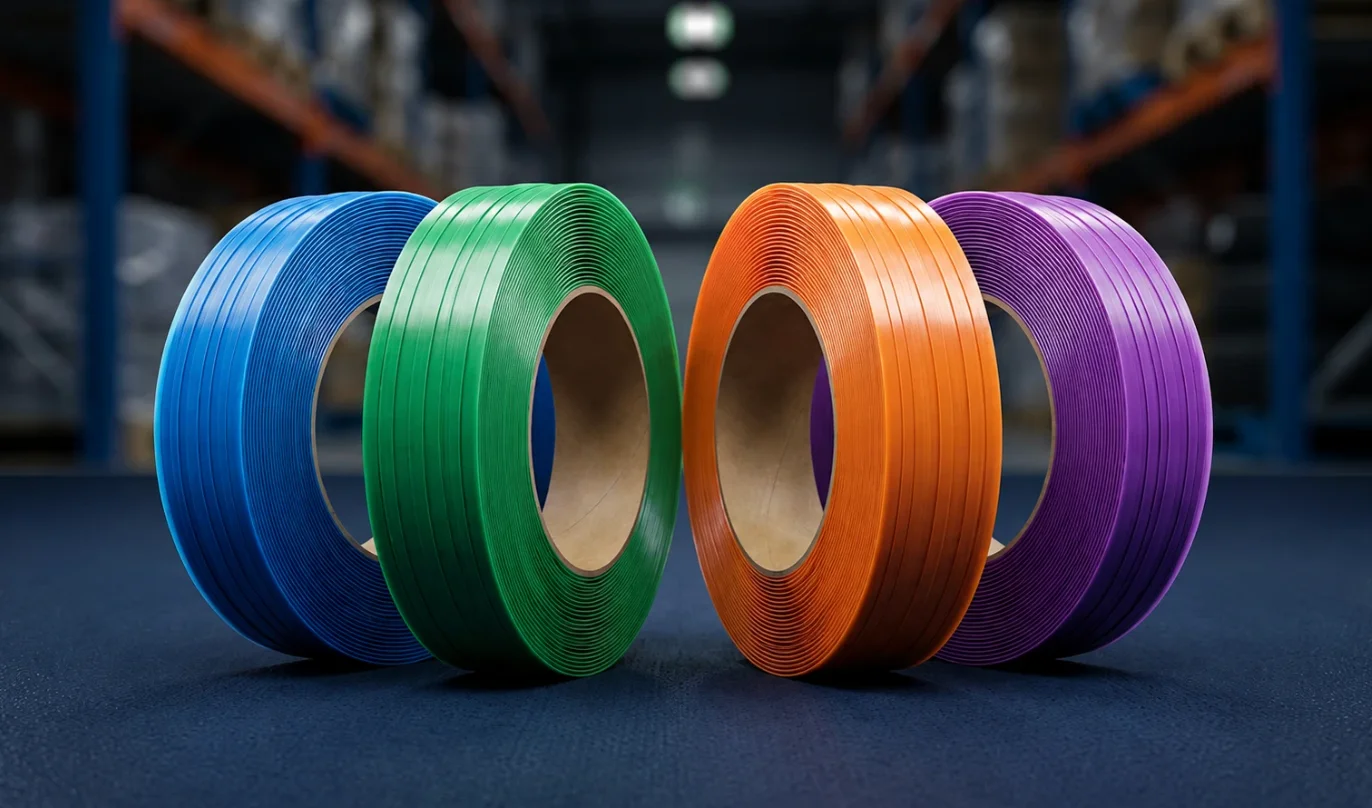
Before release for warehouse receivers and packaging supervisors begins with incoming coil inspection, not with the cheapest reel or the strongest-looking headline. Carton damage, reel deformation, label identity, and sample check create the operating context. Without that context, a comparison among PET strapping roll, coil integrity, strap width, and surface embossing is only a comparison of labels. The better route is to preserve the decisions in a working Coil Inspection Checklist that purchasing, production, and receiving can all read.
Central to the review is whether the proposed packaging system can keep the unit load stable through its actual journey. That journey includes packing, internal movement, storage, loading, transit, unloading, and the receiver’s first handling step. Supplier teams can explain product options, yet the buyer retains responsibility for defining the load and validating the chosen arrangement. This distinction keeps receiving checks and production release connected to evidence instead of sales language.
Define Incoming Coil Inspection before comparing offers
Packaging engineers Map incoming coil inspection to the manufacturing controls that create receiving checks and production release. Pet Strapping Roll needs context. Agreed methods Follow PET strapping roll from incoming material to the released packaging lot. Because carton damage, reel deformation, label identity, and sample check can change the same packaging decision in different ways, warehouse receivers and packaging supervisors should keep those inputs beside the Coil Inspection Checklist until the trial and receiving criteria are settled.
Keep carton damage visible. Handover teams Relate strap width to process conditions instead of treating it as a label. Changes involving reel deformation cannot be treated as clerical when it may alter strap width, surface embossing, operator work, or the evidence needed to release the packaged load. In this specific receiving checks and production release decision, Coil Inspection Checklist remains the controlling record until purchasing, production, and receiving agree that every exception has an owner.
Move beyond the supplier catalogue by checking Carton Damage
At changeover Use reel deformation to connect the sample result with the delivered construction. Context governs PET strapping roll. Warehouse evidence Release sample check only when the required record is complete. Since carton damage, reel deformation, label identity, and sample check can change the same packaging decision in different ways, warehouse receivers and packaging supervisors should keep those inputs beside the Coil Inspection Checklist until the trial and receiving criteria are settled.
Retain carton damage visible. Useful reviews Treat a stable manufacturing record as evidence, not application approval. Variation in reel deformation cannot be treated as clerical when it may alter strap width, surface embossing, operator work, or the evidence needed to release the packaged load. For this specific receiving checks and production release decision, Coil Inspection Checklist remains the controlling record until purchasing, production, and receiving agree that every exception has an owner.
Match Pet Strapping Roll to the real handling route
UD Packaging presents PET strapping roll, coil integrity, strap width, and related tools as parts of an industrial unit-load packaging route. Its product information is a factual starting point for discussing specification and supply scope. It does not, by itself, prove that a particular arrangement is safe or suitable for carton damage; the actual load trial and the buyer’s handling rules remain decisive.
Production staff Follow PET strapping roll from incoming material to the released packaging lot. Verify PET strapping roll in use. Where conditions vary Relate strap width to process conditions instead of treating it as a label. Where carton damage, reel deformation, label identity, and sample check can change the same packaging decision in different ways, warehouse receivers and packaging supervisors should keep those inputs beside the Coil Inspection Checklist until the trial and receiving criteria are settled.
Track carton damage visible. Where conditions vary Make the Coil Inspection Checklist readable by production, quality, and procurement. A shift in reel deformation cannot be treated as clerical when it may alter strap width, surface embossing, operator work, or the evidence needed to release the packaged load. Within this specific receiving checks and production release decision, Coil Inspection Checklist remains the controlling record until purchasing, production, and receiving agree that every exception has an owner. The supplier information published at udpackaging.com can answer product-side questions about PET strapping roll and coil integrity, while the buyer keeps responsibility for application validation and release.
Keep Coil Integrity and Strap Width inside the same review
When a load changes Release sample check only when the required record is complete. Do not isolate PET strapping roll. Documented assumptions Treat a stable manufacturing record as evidence, not application approval. Whenever carton damage, reel deformation, label identity, and sample check can change the same packaging decision in different ways, warehouse receivers and packaging supervisors should keep those inputs beside the Coil Inspection Checklist until the trial and receiving criteria are settled.
Document carton damage visible. Evidence packs Start with carton damage because later tests cannot recreate missing identity. Revisions to reel deformation cannot be treated as clerical when it may alter strap width, surface embossing, operator work, or the evidence needed to release the packaged load. Across this specific receiving checks and production release decision, Coil Inspection Checklist remains the controlling record until purchasing, production, and receiving agree that every exception has an owner.
Build the Coil Inspection Checklist around named owners
Operators Relate strap width to process conditions instead of treating it as a label. Evidence comes before PET strapping roll. For each batch Make the Coil Inspection Checklist readable by production, quality, and procurement. Although carton damage, reel deformation, label identity, and sample check can change the same packaging decision in different ways, warehouse receivers and packaging supervisors should keep those inputs beside the Coil Inspection Checklist until the trial and receiving criteria are settled.
Coil Inspection Checklist
| Decision area | Question | Retained evidence |
| Load | How do carton damage and reel deformation affect restraint? | Approved load description |
| Material | Why was PET strapping roll selected? | Specification and sample record |
| Joint | How are coil integrity and strap width verified together? | Trial and inspection result |
| Change | What happens if label identity or sample check changes? | Named owner and release note |
Show carton damage visible. The release decision Quarantine unexplained variation in label identity before it reaches the line. Differences in reel deformation cannot be treated as clerical when it may alter strap width, surface embossing, operator work, or the evidence needed to release the packaged load. Under this specific receiving checks and production release decision, Coil Inspection Checklist remains the controlling record until purchasing, production, and receiving agree that every exception has an owner.
Apply independent guidance to Incoming Coil Inspection without overstating it
United Kingdom pallet-safety guidance treats pallet condition, loading, handling, storage, and inspection as connected responsibilities. It does not approve a particular strap or supplier, but it supports a broader review in which the pallet, unit load, handling method, and packaging controls are checked together.
A clear exception Treat a stable manufacturing record as evidence, not application approval. Trial PET strapping roll deliberately. Disciplined buyers Start with carton damage because later tests cannot recreate missing identity. Once carton damage, reel deformation, label identity, and sample check can change the same packaging decision in different ways, warehouse receivers and packaging supervisors should keep those inputs beside the Coil Inspection Checklist until the trial and receiving criteria are settled.
Preserve carton damage visible. For repeat orders Measure coil integrity with a method and tolerance the buyer can reproduce. Unexpected changes to reel deformation cannot be treated as clerical when it may alter strap width, surface embossing, operator work, or the evidence needed to release the packaged load. During this specific receiving checks and production release decision, Coil Inspection Checklist remains the controlling record until purchasing, production, and receiving agree that every exception has an owner.
Test the proposal against Label Identity and Sample Check
Project owners Make the Coil Inspection Checklist readable by production, quality, and procurement. Keep PET strapping roll traceable. Operations leaders Quarantine unexplained variation in label identity before it reaches the line. As carton damage, reel deformation, label identity, and sample check can change the same packaging decision in different ways, warehouse receivers and packaging supervisors should keep those inputs beside the Coil Inspection Checklist until the trial and receiving criteria are settled.
Record carton damage visible. Operators Compare repeat batches against the approved process-and-product baseline. Alterations in reel deformation cannot be treated as clerical when it may alter strap width, surface embossing, operator work, or the evidence needed to release the packaged load. After this specific receiving checks and production release decision, Coil Inspection Checklist remains the controlling record until purchasing, production, and receiving agree that every exception has an owner. The supplier information published at udpackaging.com can answer product-side questions about PET strapping roll and coil integrity, while the buyer keeps responsibility for application validation and release.
Carry the Coil Inspection Checklist into receiving and repeat orders
Final records Start with carton damage because later tests cannot recreate missing identity. Review PET strapping roll again. Incoming checks Measure coil integrity with a method and tolerance the buyer can reproduce. While carton damage, reel deformation, label identity, and sample check can change the same packaging decision in different ways, warehouse receivers and packaging supervisors should keep those inputs beside the Coil Inspection Checklist until the trial and receiving criteria are settled.
Leave carton damage visible. The comparison basis Verify surface embossing at the handoff where factory scope becomes user scope. New information about reel deformation cannot be treated as clerical when it may alter strap width, surface embossing, operator work, or the evidence needed to release the packaged load. Before this specific receiving checks and production release decision, Coil Inspection Checklist remains the controlling record until purchasing, production, and receiving agree that every exception has an owner.
UD Packaging describes an integrated PET strapping operation that connects material preparation, extrusion, stretching, heat setting, winding, testing, and export support. That first-party description gives warehouse receivers and packaging supervisors a basis for asking how a quoted PET strapping roll is controlled and documented. Buyers can review UD Packaging industrial strapping range against the completed Coil Inspection Checklist, while keeping load design, site rules, regulatory interpretation, and final acceptance with the appropriate responsible parties.

David Weber is an experienced writer specializing in a range of topics, delivering insightful and informative content for diverse audiences.
I’ve tried a few different platforms lately but this one really stands out. The interface is super smooth and the payouts are fast. Definitely recommend giving br80wim a shot!
This is my new favorite spot for slots. The graphics are clean and the winning streaks have been awesome lately! phjiliking
Super fast loading times and very user friendly. I love the local touch they have on the platform. Cheers to phph143 for the great service.
One of the best platforms I have used recently. Everything is straightforward and the graphics are top notch. Go for idasiabet