
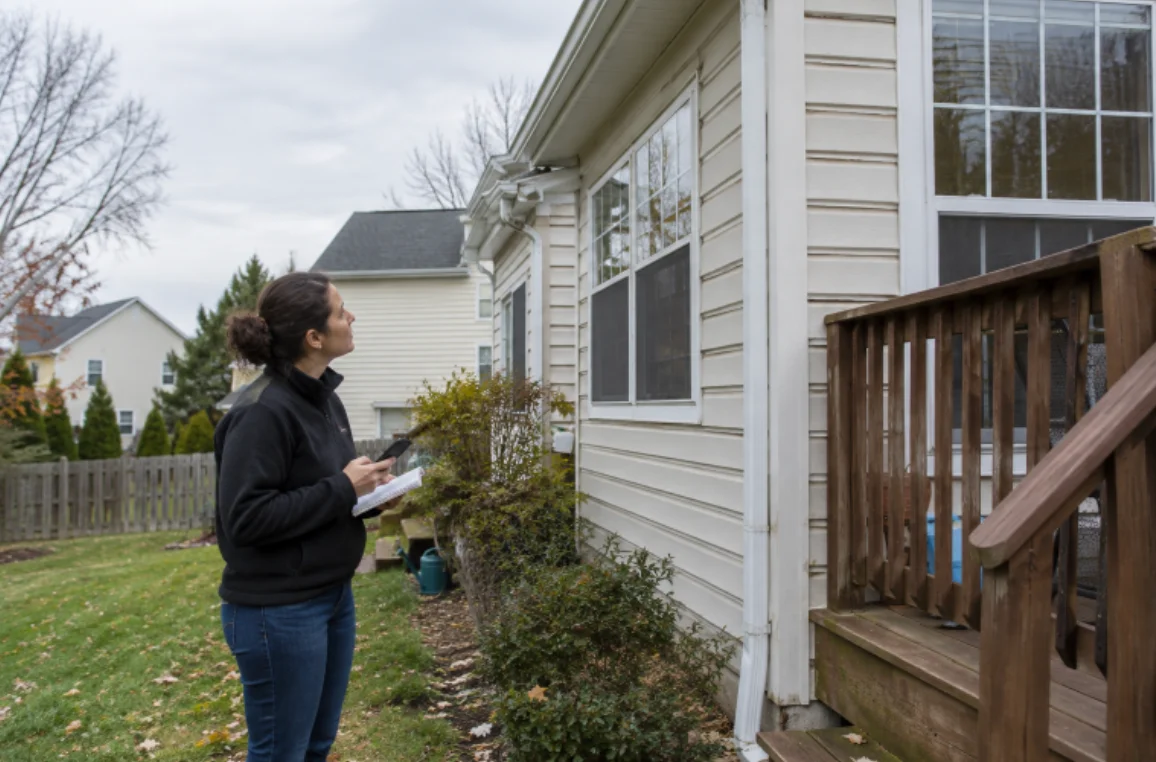
Northern Virginia homes face humid summers, seasonal rain, winter freeze-thaw cycles, and tree debris that can affect roofs, siding, gutters, decks, and trim. A whole-home exterior refresh is an opportunity to solve existing weaknesses while creating a more cohesive appearance. Homeowners considering home siding installation Northern VA can get better results by looking beyond wall surfaces and evaluating the complete exterior envelope first.
The goal is not necessarily to replace everything at once. A well-planned project identifies what needs immediate attention, what can be coordinated to reduce repeat work, and what can wait for a later phase. That approach protects the home while helping families make confident decisions about comfort, maintenance, and curb appeal.
Why A Whole-Home Refresh Makes Sense
Your exterior is a system. Roofing sheds water, gutters direct it away, siding and trim protect wall assemblies, windows and doors close openings, and decks or porches create usable outdoor transitions. If one part fails, nearby materials can be affected. For example, a gutter overflow may stain siding, saturate trim, and send water toward the foundation. A coordinated plan also makes design decisions easier. Window trim, siding profiles, door color, lighting, and railing details can be selected to work together rather than appear as unrelated updates completed years apart. Recent home renovation research for 2026 reflects continued homeowner interest in repairs, renovation planning, and projects that support the home’s long-term use.
How To Inspect The Exterior First
Begin with a slow walk around the property on a dry day. Take photos of every elevation, then record concerns by location. Photos are especially useful for comparing estimates or tracking whether a small crack, stain, or gap is worsening.
Areas To Check
- Roof edges, flashing, soffits, fascia, and visible signs of staining.
- Siding cracks, loose panels, open joints, peeling finishes, and soft trim.
- Window frames, glass seals, locks, screens, and difficult operation.
- Door thresholds, weatherstripping, caulk lines, hinges, and deadbolts.
- Gutters, downspouts, splash blocks, and soil around the foundation.
- Deck boards, railings, stairs, posts, fasteners, and areas of rot.
Call a qualified professional if you find active leaks, apparent rot, unsafe stairs or railings, structural movement, damaged electrical components, or paint that may require special handling.
What To Fix First
Rank issues by risk instead of visibility. A faded front door can wait if water is entering around a window or a deck railing moves under pressure.
- Stop water entry. Address leaks, failed flashing, blocked gutters, poor drainage, and openings around exterior penetrations.
- Resolve safety concerns. Repair unstable stairs, loose railings, damaged walking surfaces, and unreliable exterior locks.
- Correct structural damage. Investigate rot, compromised framing, damaged sheathing, and movement that may affect the exterior.
- Improve comfort. Consider drafts, worn weatherstripping, failing seals, and poorly operating windows or doors.
- Complete appearance upgrades. Finish with paint, trim, lighting, landscaping, and decorative details once the shell is sound.
Planning Windows And Exterior Doors
Select windows based on room use, ventilation, access, and appearance. Double-hung windows suit many traditional homes, while casement and awning styles can provide ventilation in tighter locations. Picture windows bring in light but do not open, so they work best where ventilation is not needed. For exterior doors, weigh security, weather resistance, accessibility, privacy, natural light, and daily traffic. Ask installers how they will handle flashing, air sealing, trim, and water management. Product quality matters, but correct installation is essential to the finished result.
Questions To Ask Before Ordering
- Will the new unit fit the existing opening, or is framing work expected?
- Will interior or exterior trim need to be repaired or replaced?
- How will nearby siding, landscaping, and finished surfaces be protected?
- What happens if concealed damage is discovered after removal?
Choosing Siding With Maintenance In Mind
Choose siding for its fit with the home, the climate, and the maintenance level you can realistically provide. Vinyl is commonly selected for relatively low routine maintenance. Fiber cement offers a substantial appearance and requires careful installation and finishing. Wood provides natural character but needs regular inspection and upkeep. Engineered products may offer another balance of appearance, durability, and maintenance needs.
Whatever material you choose, siding should be evaluated with flashing, trim, insulation, and the wall’s drainage plane. New cladding alone cannot correct a hidden moisture problem.
Managing Gutters, Drainage, And Moisture
Water management deserves a central role in Northern Virginia exterior planning. Keep gutters clear, check for sagging runs and overflowing corners, and ensure downspouts discharge away from the foundation. Review grading as well, because soil that slopes toward the home can direct water where it does not belong. Keep mulch, soil, and dense plant growth below vulnerable siding and trim. Also, inspect roof-to-wall transitions and openings around windows and doors, since these details require thoughtful flashing and sealing.
Adding Or Updating Outdoor Living Areas
Decks, porches, patios, and shade structures can make a property more useful for everyday meals, gatherings, and quiet time outside. Plan for drainage, privacy, lighting, circulation, storage, and safe access before choosing furniture or decorative features. Stairs and railings need the same careful attention as the deck surface. Current exterior remodeling trends in 2026 also point to homeowner interest in practical outdoor upgrades, along with coordinated changes to roofing, gutters, doors, and wall surfaces.
Building A Realistic Budget And Sequence
A useful budget includes more than visible materials and installation labor. Include permits, removal and disposal, framing or trim repairs, equipment access, protection for landscaping and driveways, cleanup, and a written contingency allowance for concealed damage. Bundling work can help when windows and siding need coordinated trim or flashing, or when roofing and gutters should be completed together. Phasing may be preferable when a single issue is urgent or the entire project exceeds the available budget.
- Phase One: Leaks, drainage, structural repairs, and safety issues.
- Phase Two: Windows, doors, siding, and exterior trim.
- Phase Three: Decks, lighting, landscaping, and finishing touches.
How To Compare Contractors And Estimates
Request detailed written scopes that identify materials, removal, preparation, flashing, trim, cleanup, permit responsibility, and final inspection steps. Confirm licensing and insurance, ask for comparable project references, and find out who will supervise the work. Compare change-order procedures and labor warranties, not just the initial price.
A Simple Exterior Refresh Checklist
- Photograph every side of the home and list concerns by priority.
- Separate urgent repairs from appearance goals.
- Inspect windows, doors, siding, gutters, decks, and drainage.
- Decide whether bundling or phased work best fits the home and budget.
- Collect two or three detailed estimates with matching scopes.
- Confirm permits, insurance, warranties, cleanup, and household access plans.
- Keep records of products, colors, repairs, and maintenance dates.
A successful whole-home exterior refresh starts with protection, not paint. By addressing water, safety, and structural needs first, Northern Virginia homeowners can make exterior improvements that look intentional, support everyday comfort, and remain easier to maintain over time.
Conclusion
A successful whole-home exterior refresh in Northern Virginia starts with understanding the property’s current condition, not by choosing finishes first. Homeowners should inspect roofing, siding, windows, doors, gutters, drainage, decks, and other exterior components, then prioritize water management, safety, and structural repairs before cosmetic improvements. A detailed project scope can help clarify materials, preparation, labor, cleanup, permits, warranties, and potential contingency costs. When appropriate, coordinating related projects can reduce repeated work, while phasing allows homeowners to address urgent concerns without taking on the entire renovation at once. Choosing materials based on maintenance needs, climate exposure, and the home’s existing design can also support longer-term performance. With careful planning, realistic budgeting, and qualified contractors, a 2026 exterior refresh can improve protection, comfort, appearance, and day-to-day usability while making future maintenance easier to manage.

David Weber is an experienced writer specializing in a range of topics, delivering insightful and informative content for diverse audiences.