
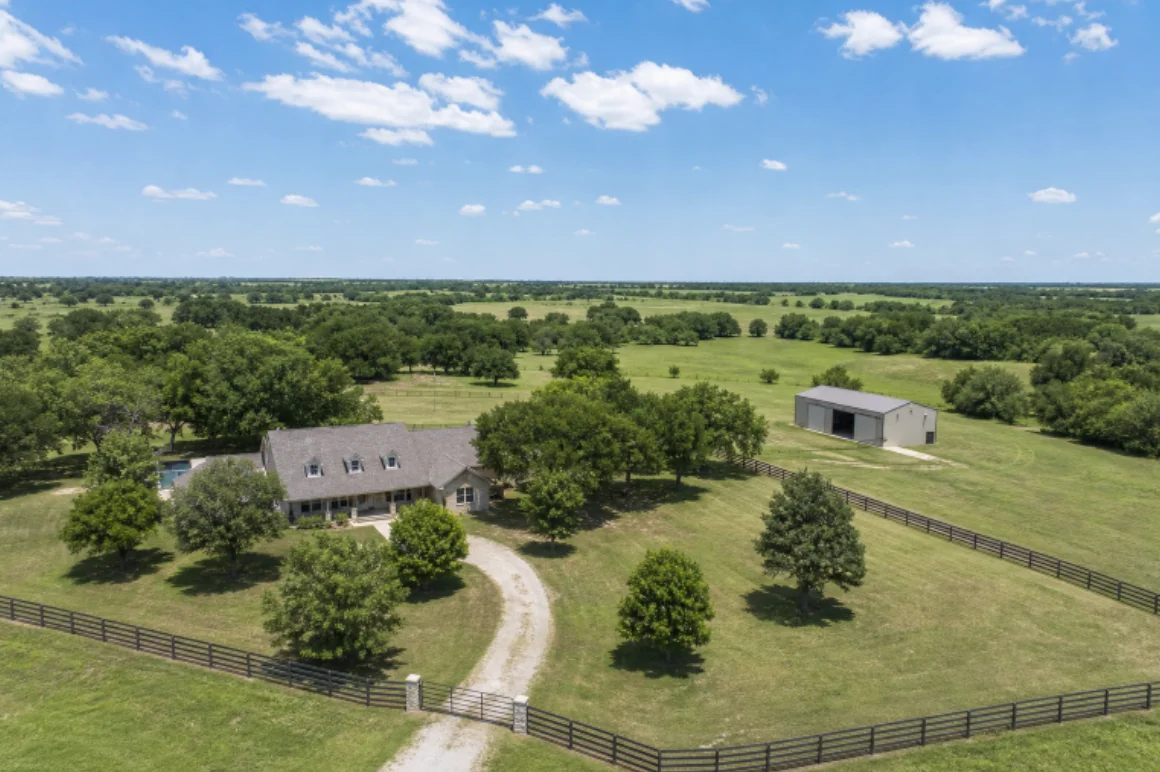
Buying acreage or a country home can create room for animals, hobbies, a workshop, or simply more privacy. It also requires a more detailed review than many neighborhood purchases. For buyers comparing land and homes in Celina and surrounding communities, Celina, TX real estate experts Texas Homes and Land offers local guidance through Texas Homes & Land, a North Texas real estate team specializing in rural properties, homes on acreage, horse land, and ranches across Cooke, Grayson, Denton, and Collin counties.
Listing photos can show a beautiful view, but they cannot answer every practical question. Before making an offer, buyers should consider how the property works during heavy rain, a power outage, a long commute, or a future building project. A disciplined due diligence plan helps identify costs and limitations before closing.
Why Rural Property Appeals To North Texas Buyers
North Texas acreage can offer a different pace of life while remaining connected to small towns and the Dallas-Fort Worth region. Buyers may want room for gardens, recreational vehicles, livestock, a detached shop, or future improvements. Privacy and open views can be meaningful benefits, but they should be weighed against longer drives, fewer nearby services, private utilities, and more responsibility for the land itself.
The True Cost Of Rural Ownership
The purchase price is only one part of the budget. Add mortgage costs, taxes, homeowners’ insurance, possible flood insurance, fuel, internet service, fencing, tree work, driveway upkeep, and routine land care. A less expensive rural home may cost more each month than a suburban property if it requires septic pumping, well repairs, private road contributions, or frequent travel. Compare estimated annual ownership costs, not just monthly principal and interest.
Water, Wells, And Septic Systems
Questions About Water
Confirm whether the property uses public water, a private well, or a shared well. Ask for recent water-quality tests, well records, pump repair history, treatment equipment information, and the well flow rate. A private well should be tested by a qualified professional, particularly when the property has been vacant or the seller cannot provide current records.
Questions About Septic
Find out the system type, the locations of the tank and drain field, the permit history, and the maintenance schedule. A septic inspection should assess visible components and system performance. Buyers also need to know whether there is usable area for a replacement drain field if the existing system fails. A standard home inspection alone may not provide enough detail about either system.
Road Access, Easements, And Boundaries
A visible driveway does not always prove legal access. Ask the title company to review recorded ingress and egress easements, shared-driveway rights, private-road maintenance agreements, and utility or pipeline easements. Fences, tree lines, and old roads are not reliable boundary markers. A current survey can reveal encroachments, disputed lines, and improvements that cross onto neighboring land before they become the buyer’s problem.
Flood Risk, Drainage, Land Use, And Taxes
Walk the land when possible to check for standing water, low crossings, erosion, creek beds, culverts, pond overflow, and soft spots near driveways. Start with the FEMA Flood Map Service Center, then seek advice from local drainage and insurance experts. Even properties outside flood zones can encounter runoff or access problems during storms. Next, confirm land-use and building restrictions, including deed restrictions, HOA rules, city limits, extraterritorial jurisdiction, and county regulations governing structures and activities. Always get these in writing; informal statements are not substitutes for permits or recorded restrictions. Review the current tax bill, but do not assume it indicates future taxes. Inquire about agricultural or wildlife valuations, permitted uses, and whether changes might trigger rollback taxes.
Inspections And A Safer Offer
Rural properties often require several specialists. In addition to a full home inspection, arrange well testing, septic evaluation, and review of the roof, foundation, HVAC, electrical panel, barns, gates, fences, culverts, and retaining walls. Ask whether outbuildings and additions match permits and survey documents. Also, visit at different times of day to evaluate commute traffic, road noise, neighboring activity, and nighttime lighting.
A safer offer gives buyers sufficient time and access to complete these reviews. Discuss an option period that accommodates inspectors, surveyors, contractors, and document requests. Financing, appraisal, title, survey, and inspection protections should have clear deadlines. If repairs are needed, put the agreed repair, credit, or replacement terms in writing rather than relying on verbal assurances.
Common Rural Buying Mistakes
- Assuming an existing well or septic system will pass inspection.
- Skipping a survey because the property has fencing.
- Using the seller’s tax bill as the buyer’s future tax estimate.
- Overlooking flood patterns, drainage, and private-road costs.
- Assuming every shed, barn, addition, or guest space was permitted.
- Underestimating the cost of clearing, fencing, and ongoing land maintenance.
A Simple Pre-Closing Checklist
- Review the title commitment, easements, and legal road access.
- Order or review a current survey.
- Check flood maps and inspect on-site drainage conditions.
- Test the well and inspect the septic system.
- Verify tax valuations, exemptions, and rollback risks.
- Review restrictions, permits, insurance quotes, and inspection findings before the option period ends.
- Complete a final walk-through after agreed-upon repairs are finished.
Final Thoughts
Rural property can be a rewarding long-term purchase, but the land deserves as much attention as the house. Water, access, drainage, taxes, restrictions, and maintenance shape the real value of an acreage property. Careful research, thorough inspections, and clear written documentation can help buyers choose a North Texas home that fits both their lifestyle and budget.

David Weber is an experienced writer specializing in a range of topics, delivering insightful and informative content for diverse audiences.
Best gaming experience I’ve had in a while. The graphics are crisp and the payouts are legit. Give phroyalbet a try!
Love how easy it is to get into the action here. No complicated steps, just straight to the fun. I always use jilislotphlogin for my daily spins.
The jackpots here are insane! I love how easy it is to navigate the site on my phone. Big thanks to phjilihot777 for the awesome vibes.
The jackpot hits here are actually decent. I love how fast the page loads even on mobile data. Definitely my go to spot now at mahesa189slot.
The game variety here is insane! I spent the whole weekend exploring the slots and the bonuses are actually fair. Love the vibe of jilihotcasino
I was a bit skeptical at first but after a few wins I am totally sold. The system is transparent and very easy to navigate. Cheers to jilipark311login.