
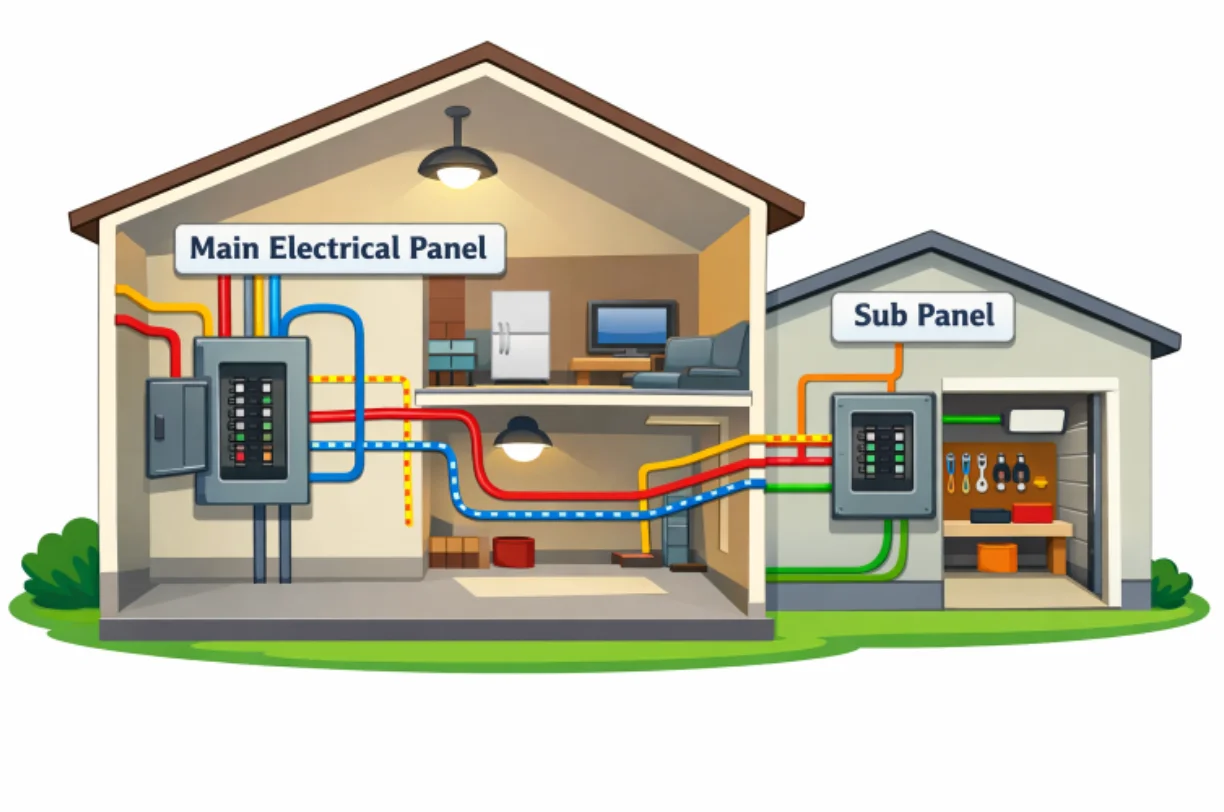
Every homeowner needs to be aware of the condition and safe operation of their main and sub electrical panels. Whether you are dealing with frequent circuit trips or want to make sure your home’s electrical system is running efficiently, understanding these panels is a cornerstone of household safety. For homeowners in Southern California, an electrical panel upgrade and repair in Orange County, CA can address outdated wiring and the increasing power needs of modern homes. Managing your electrical panels properly not only protects against fire hazards but also ensures you can support everything from your kitchen appliances to electric vehicles. Proactive inspection and maintenance of your electrical system creates peace of mind and can help you catch issues before they become emergencies.
When managing a household, keeping up with local safety standards and codes is just as important as scheduling routine visual checks. Homeowners seeking reliable residential electrical services in Bonney Lake, WA can partner with certified professionals to audit their current layout. Professional assessments help prevent unexpected system overloads and ensure your core infrastructure remains fully capable of supporting modern appliance demands safely.
Understanding Electrical Panels
The main panel acts as the nerve center of your home’s electrical grid. It connects directly to your utility supply and channels electricity through breakers, each of which controls a specific circuit in your house. Subpanels are satellite panels branching off the main unit. These are especially useful if you have a detached garage, a workshop, or a recently added home extension that needs its own dedicated supply. Sub panels help distribute the electrical load more evenly, prevent overloads, and make troubleshooting specific issues much easier.
Main and sub panels are integral for both safety and functionality. A properly configured system can handle your entire household’s electrical requirements without undue strain. Routine maintenance and proactive upgrades keep you in step with evolving technology demands, whether that’s an electric vehicle charger, upgraded appliances, or smart home systems. If you are new to homeownership or your property has not had an electrical checkup in several years, start by locating your main panel (often in the garage, basement, or utility closet). Familiarize yourself with which breakers control which parts of your home. A diagram or labels are helpful in an emergency, such as a storm or an accidental overload. For a comprehensive overview of home electrical safety and standards, Consumer Reports offers a practical introduction that is worth reviewing. You can read more about essential panel upgrades in their article on big home energy upgrades.
Importance of Regular Inspections
Electrical panel inspections should be part of your regular home maintenance plan. Corroded connections, moisture in the panel, rusty components, and tripped breakers all indicate something may be wrong. These visible signs can be the first indication of more serious threats, such as overloaded circuits or aging wires that can overheat and lead to electrical fires.
While regular visual inspections can catch obvious issues like rust or scorch marks, many internal hazards remain invisible to the untrained eye. Over time, brittle wiring and corroded connections can silently compromise the safety of your home, especially when modern appliances push older systems past their design limits. Many homeowners find that securing professional electrical system repair services in Vancouver WA helps identify these hidden vulnerabilities before they escalate into dangerous arcing or electrical fires. This proactive approach ensures your main and sub-panels comply with current safety codes while providing a stable power supply for your electronics. Maintaining this silent gatekeeper is essential for long-term household security and peace of mind.
According to the National Fire Protection Association (NFPA), electrical failures or malfunctions are one of the leading causes of home fires in the United States. This fact underscores the importance of scheduling professional inspections every few years, or more frequently if your home is older or subject to high electrical loads.
Keep clearance areas around your main and sub panels open to allow for quick action during an emergency. A blocked panel can delay vital shutoff actions in the event of a short circuit or a small fire, turning a manageable situation into a dangerous emergency. Parents should also ensure children know the importance of respecting the electrical panel area. Newer homes typically have safer, more efficient panels. However, older properties or homes that have undergone extensive renovations can develop hidden electrical issues. Routine inspections provide the early detection needed to preserve the integrity of your system and reduce the risk of electrical faults.
Common Safety Tips
- Label Circuit Breakers Clearly: Use distinct labels for each breaker so you can quickly identify which area or appliance they control. This is invaluable during outages or if you need to shut down a specific area of your house with minimal disruption.
- Avoid Overloading Circuits: Don’t plug in too many devices on one circuit, especially high-wattage appliances like microwaves or space heaters. Spreading appliances out and balancing loads helps prevent circuit tripping and reduces the risk of overheating.
- Keep Panels Dry: Never allow water to drip or condense onto your electrical panels. Place panels away from plumbing fixtures and, if possible, direct them away from high-humidity or flood-prone areas.
- Do Not Block Panels: Always keep at least three feet of clear space in front of the panel for safety and accessibility. Crowded or cluttered panels can hamper emergency response and regular maintenance.
When to Consider an Upgrade
If you experience frequent breaker trips, flickering lights, or unexplained power outages, your panel may no longer be keeping up with your household demands. Additionally, if your panel is over two decades old, it is likely not rated for today’s energy-intensive technologies such as electric vehicle chargers, modern HVAC systems, or advanced kitchen appliances. Upgrading your main or sub panels will help future-proof your home’s electrical system and support these newer technologies more safely and efficiently. Homes that have undergone major renovations, those adding a pool or large outbuilding, or growing families that increase their electrical demand, should all consider whether their existing panel is up to the task. Modern panels offer enhanced safety features, such as arc-fault circuit interrupters (AFCIs) and ground-fault circuit interrupters (GFCIs), significantly reducing electrical hazards.
DIY vs. Professional Maintenance
While tasks such as labeling breakers, keeping the area dry and clear, or basic troubleshooting are suited for most homeowners, any work inside the panel or involving rewiring is best left to licensed electricians. High voltage, complex wiring, and potential for accidental damage make electrical work dangerous for DIYers. Improper attempts can result in injury, fire, or even void your homeowner’s insurance. Always hire a professional for inspections, repairs, or upgrades involving wiring, upgrades, or any significant modifications. A professional electrician will use code-compliant materials and best-practice techniques to ensure both immediate and long-term safety, protecting your home investment and family.
Conclusion
Taking charge of your electrical main and sub panels isn’t just about compliance. It’s about sound, practical safety, and ensuring your household equipment, appliances, and tech run smoothly. Regular inspections and prompt attention to warning signs prevent electrical-related emergencies and costly repairs down the road. Invest the time or consult a professional to protect what matters most: your home and family.

David Weber is an experienced writer specializing in a range of topics, delivering insightful and informative content for diverse audiences.