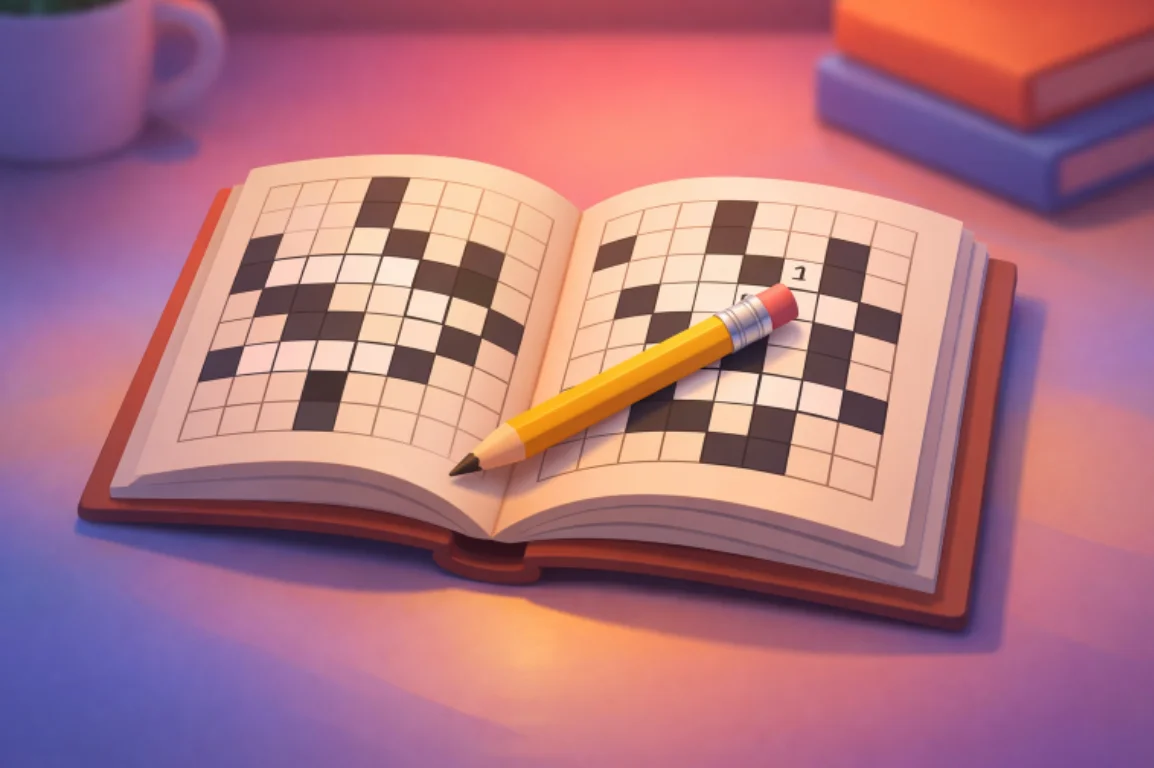
Crossword puzzles have been a beloved pastime for generations, serving as both a source of entertainment and an effective way to exercise your brain. Working through a crossword combines the enjoyment of wordplay with numerous cognitive benefits. Whether you’re new to crosswords or an experienced puzzler, there are many creative ways to incorporate them into your day and reap the rewards. For those eager to begin exploring these benefits, a wide range of Crossword Books is readily available to suit all interests and experience levels.
Not only do crossword books challenge your vocabulary and memory, but they also provide a structured way to unwind and focus. By weaving crosswords into your daily routine, you can build mental stamina and enjoy a sense of accomplishment as you solve each puzzle. This article takes a detailed look at the varied benefits of crosswords and offers practical tips for harnessing their full potential for cognitive growth and daily enjoyment.
Benefits of Solving Crosswords
Solving crosswords regularly is much more than a casual hobby. Studies suggest that this kind of cognitive exercise helps enhance memory, sharpen problem-solving skills, and may even reduce the risk of age-related cognitive decline. Since crosswords demand attention, logic, and knowledge recall, they promote overall brain health. According to experts cited in The Guardian, the complexity and variety of crossword puzzles can stimulate multiple regions of the brain simultaneously, sustaining and even improving mental function over time.
Choosing the Right Crossword Book
Finding a crossword book that matches your current skill level and personal interests makes the process far more enjoyable and effective. Beginners should opt for books with simple, straightforward puzzles to build a solid foundation. More advanced solvers might gravitate toward collections with varied themes or more challenging levels. For example, The New York Times crossword books provide options for every expertise level, ensuring learners and veterans alike find the right challenge to keep them motivated.
Incorporating Crosswords into Your Daily Routine
Turning crosswords into a daily habit can offer structure and ongoing mental challenges. Some prefer to tackle a puzzle with their morning coffee to start the day fresh, while others find it relaxing as a wind-down activity before sleep. Even short daily sessions can produce benefits, as regularity is key for building sharper cognitive function. Fit crossword solving into your daily schedule wherever you can, like during commutes or lunch breaks, to keep your mind engaged throughout the day.
Exploring Different Types of Crossword Puzzles
The world of crosswords offers an extraordinary variety. Standard American-style grids are popular for their familiar clues and layout, while British-style cryptic crosswords add a layer of difficulty by mixing wordplay with definitions. For an even broader challenge, themed puzzles and specialty books introduce subjects ranging from history to pop culture, keeping the puzzles fresh and engaging. Many puzzlers find that mixing types prevents boredom and helps them develop a broader set of problem-solving skills. A great example of such variety can be found in books like “Crossword Challenge: 100 Puzzles to Do Anywhere, Anytime”, which features a diverse collection designed to maintain interest for solvers of all levels.
Joining Crossword Communities
While crosswords are fun as a solo activity, joining a community devoted to puzzles can heighten the enjoyment. Local clubs, online groups, and social forums let enthusiasts discuss tough clues, share solving strategies, and participate in competitions. These communities provide a valuable support system, help members stay motivated, and create opportunities for social connection around a shared hobby. The social aspect of crossword solving is increasingly being recognized as beneficial for well-being in addition to cognitive health. To read more about how group activities like these boost mental fitness, visit Psychology Today.
Tracking Your Progress and Setting Goals
Keeping a log or journal of your completed puzzles is a helpful way to monitor progress and celebrate achievements. Recording how long it takes to finish a puzzle or noting tricky clues can provide insight into improvements over time. Setting specific goals, such as attempting more difficult puzzles or aiming to solve a set number each week, keeps you progressing and energized to continue engaging. These personal milestones serve as motivation and reinforce the hobby’s rewarding aspects.
Combining Crosswords with Other Brain-Boosting Activities
Crossword puzzles are only one component of a robust cognitive self-care regimen. When paired with other mentally stimulating activities, such as reading, learning new languages, or playing memory games, the benefits multiply. Studies suggest that a multi-faceted approach not only enhances mental agility but also increases long-term cognitive resilience. To create the most effective mental workout, incorporate crosswords into a richer schedule of brain-healthy practices.
Conclusion
Crossword books are an engaging and effective tool for anyone seeking to boost brain function and enjoy a rewarding pastime. With so many accessible resources and a broad community of fellow puzzlers, it has never been easier to make crosswords a meaningful part of your daily life. Select the right book, commit to regular practice, and explore different puzzle types and communities to fully enjoy the cognitive and social benefits this classic activity offers.

David Weber is an experienced writer specializing in a range of topics, delivering insightful and informative content for diverse audiences.