
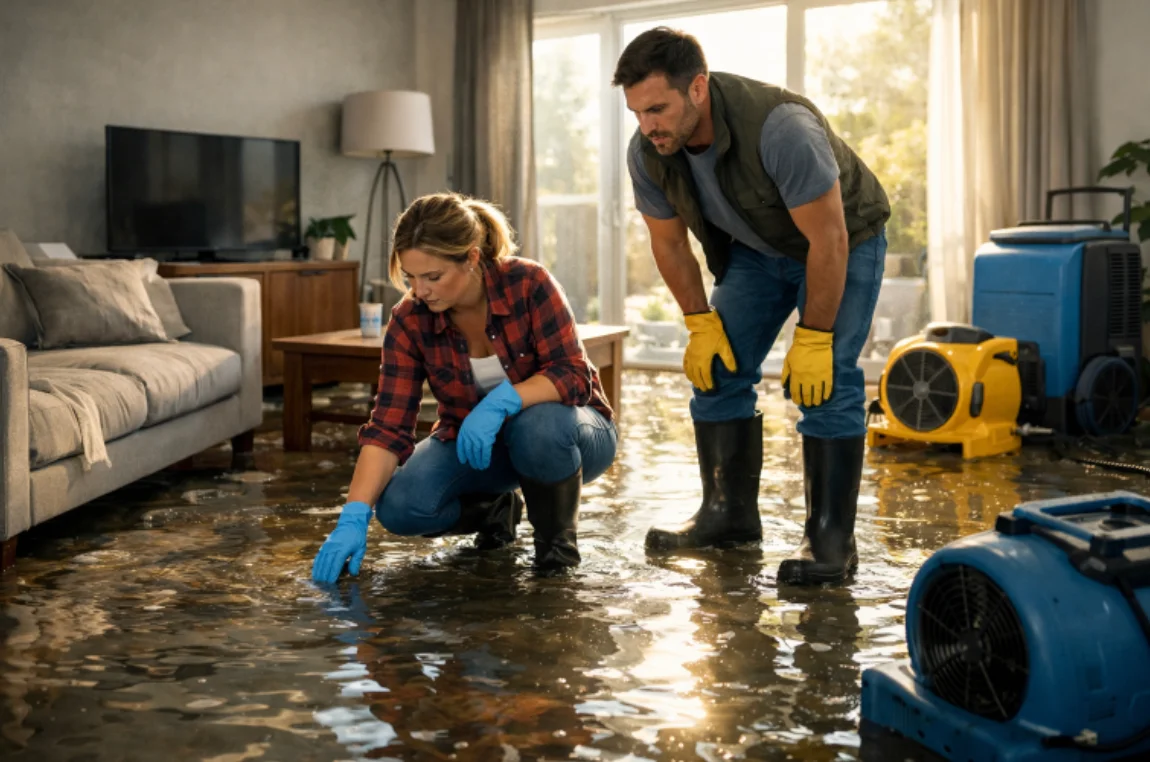
Flooding can cause major destruction for both residential and commercial properties. Quick and efficient action is critical not only for recovery but also to prevent serious problems that persist long after the waters recede. Whether you are a homeowner or a property manager, understanding the step-by-step process involved in flood damage restoration will help ensure optimal safety and minimize long-term costs. If you need professional help, consult a restoration expert Denver who understands the urgency and technical needs of proper flood recovery.
The right approach involves more than just drying things out. It means protecting yourself and others from hazards, preventing structural damage, and curbing potential health threats such as mold. As disasters become more common, having a solid plan enables property owners to act quickly, correctly, and confidently.
Initial Assessment and Safety Measures
The first step following a flood is to assess the overall situation, keeping safety as the top priority. Look for visible signs of structural damage, check for weakened walls or ceilings, and ensure gas and electricity are shut off before entering the property. Floodwater often contains contaminants, so always wear protective gear such as boots, gloves, and masks during inspection.
It is strongly advised not to rush this stage. According to recommendations from the Red Cross, delays in clean-up planning or missed hazards can lead to injuries or worsen damage. Take clear notes and photographs of the affected areas and consult experts if you are unsure about reentry safety or the severity of structural risks.
Water Extraction and Drying
Begin water removal as soon as it is safe. Professional-grade pumps and wet vacuums can speed up this process, especially for larger or deeper water accumulations. After visible water is extracted, focus on thorough drying using dehumidifiers, air movers, and fans. Pay special attention to hidden spots such as wall cavities, subfloors, and insulation, as trapped moisture can lead to mold and weaken the building’s structure. This step may take several days, depending on humidity and materials involved.
In situations involving contaminated “black water” (such as from sewage backups or flooding from rivers), it is especially important to disinfect thoroughly. All surfaces that have come in contact with floodwater should be cleaned with antimicrobial solutions, and non-porous materials may need to be scrubbed more than once. Monitoring indoor humidity levels and using moisture meters can help ensure all building components are truly dry before restoring finishes like drywall and paint.
Mold Prevention and Remediation
Mold can begin to develop in as little as 24 hours and may rapidly spread across porous surfaces. Even after the visible water is gone, spores thrive in damp environments. Apply antimicrobial treatments to previously wet surfaces and dispose of irreparable contaminated materials promptly. If you notice discoloration or a musty odor, professionals may need to conduct mold testing and targeted remediation. According to the Centers for Disease Control and Prevention (CDC), acting quickly to remove damp materials and dry out the environment is key to preventing long-term health risks.
Mold prevention also involves addressing hidden moisture in HVAC systems and behind built-ins, where condensation or leaks may persist. Pay particular attention to carpeted areas and upholstered furniture, which often retain moisture longer than hard surfaces. Mold spores can affect indoor air quality if not handled correctly, leading to respiratory issues and allergies for building occupants. High-efficiency particulate air (HEPA) vacuums and air scrubbers may be necessary for serious contamination cases.
Structural Repairs and Restoration
With water and mold under control, carefully inspect for damage to drywall, wood framing, flooring, and insulation. Any compromised materials should be removed and replaced to maintain building integrity and safety. Ensure all repairs are up to local building codes and pay special attention to electrical and plumbing systems, which may require specialized inspection after flooding. Partnering with licensed contractors ensures quality workmanship and compliance.
During this restoration phase, keep in mind that hidden moisture trapped inside wall cavities or under flooring can go unnoticed until it causes secondary damage, such as warping, splitting, or deterioration of structural supports. Proactively checking these areas before closing walls or finishes saves time and avoids future costly repairs. Restoration professionals typically use infrared cameras and sensitive moisture meters to track down concealed water pockets that might otherwise be missed during visual inspection.
Content Cleaning and Salvaging
Personal and business property items should be individually evaluated. Items such as furniture, artwork, documents, and electronics may be restored using specialized cleaning and drying methods. Prioritize sentimental objects alongside those with high monetary value. Keep detailed records of salvageable and unsalvageable goods for insurance purposes. In some cases, professional restorers can recover items many might consider unsalvageable, especially with prompt attention.
Document restoration, textile cleaning, and electronics reconditioning require careful handling to prevent further damage. Contents affected by floodwater should be air-dried or freeze-dried, as appropriate, to avoid further deterioration while the cleaning process is underway. Whenever possible, consult with restoration experts who have experience working with unique or high-value items to increase the likelihood of successful recovery. Storage in climate-controlled environments post-cleaning is often recommended to safeguard against future humidity-related issues.
Insurance Claims and Documentation
Thorough documentation is crucial for the success of any insurance claim. Keep detailed inventories, clear photographs, and receipts for restoration work and replacement purchases. Early and ongoing communication with your policy provider can help expedite your claim. Claims may require multiple rounds of documentation; keeping everything organized can make the process far less stressful.
It’s a good idea to maintain a dedicated folder, either digital or physical, for all communication with your insurer. This should include notes from phone calls, copies of inspection reports, and any estimates or invoices from contractors. Accurate records not only support your claim but may also assist with future insurance applications or appeals in the event of claim disputes. Be aware of claim deadlines and keep documentation up to date until all restoration work has been completed and approved by your provider.
Preventive Measures for Future Floods
To reduce the likelihood of future flood damage, consider installing sump pumps with battery backup, upgrading drainage systems, and elevating vital utilities such as water heaters and electrical panels. Landscape grading, stormwater barriers, and regular maintenance can offer added protection. Inspections should become routine during wet seasons or after severe weather alerts.
Another important step is to review your current insurance policy to ensure adequate flood coverage, as standard homeowner’s insurance often excludes flood-related events. Investing in flood sensors, backflow valves, and smart monitoring systems enhances early detection and may offer discounts through some insurance programs. Community-level solutions, such as participating in local floodplain management and disaster readiness initiatives, contribute to larger-scale risk reduction while strengthening your individual resilience against future disaster events.
Conclusion
Effective flood damage restoration depends on swift action, safety awareness, and thorough planning. From initial assessment through repairs and prevention, every step matters to restore comfort, security, and property value. Leverage the expertise available in your community and stay proactive to minimize risk and ensure recovery with confidence.

David Weber is an experienced writer specializing in a range of topics, delivering insightful and informative content for diverse audiences.