
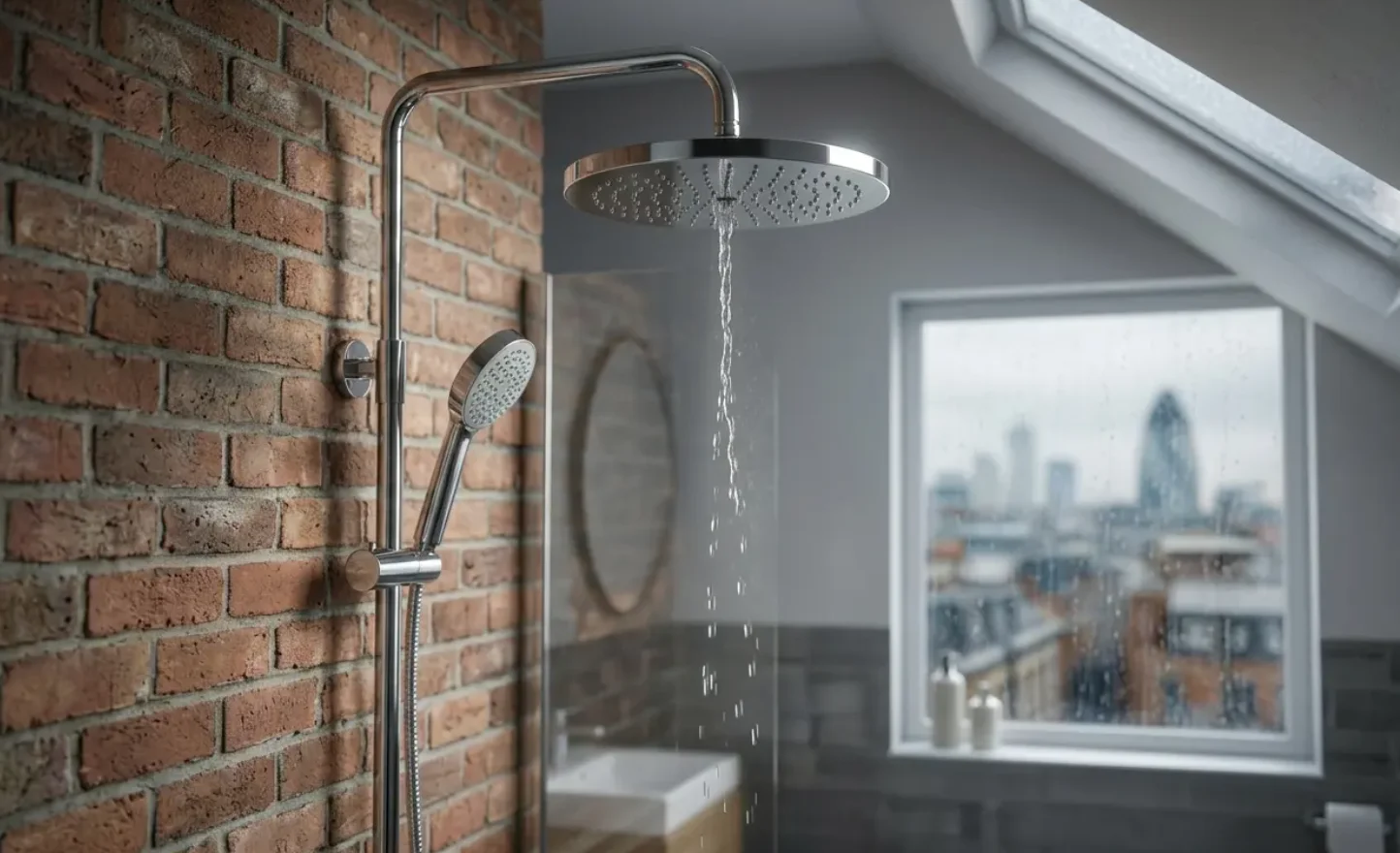
Low water pressure in an upstairs bathroom can turn simple routines into daily frustration. Showers may feel weak, sinks may take too long to rinse, and toilets may refill more slowly than expected. Because upstairs fixtures sit farther from the main water supply line, pressure problems often become more noticeable there first. A plumber helps by tracing the cause rather than guessing at the symptom. The issue may involve clogged fixtures, pipe buildup, valve problems, hidden leaks, or overall pressure concerns. Finding the source early can improve comfort, protect plumbing components, and prevent a small water-flow issue from becoming a larger household problem later.
What Causes Weak Pressure
- A Plumber Starts by Testing Where the Pressure Drops
One of the first steps a plumber takes to fix low water pressure in upstairs bathrooms is to determine whether the problem is limited to one fixture or affects the whole upper level. A weak shower may indicate a clogged showerhead, while a slow sink, toilet, and tub together may suggest a broader plumbing issue. A plumber can compare water flow at different fixtures, test pressure at different points in the home, and see whether the upstairs bathroom loses pressure only when other fixtures are running. Homeowners searching for a Plumber in Jackson, TN, may want this kind of evaluation before replacing parts that are not actually causing the problem. This step matters because low pressure upstairs can come from distance, elevation, partial blockages, or hidden system imbalance. A careful test helps narrow the problem before any repair begins. When the pressure drop is traced correctly, the solution becomes more targeted, practical, and less likely to miss the real source.
- Clogged Aerators and Showerheads Can Restrict Flow
Sometimes the cause of weak pressure upstairs is not hidden deep inside the plumbing system. It can begin right at the faucet or showerhead. Mineral buildup, sediment, and debris can collect inside aerators, cartridges, and spray openings over time, especially in homes with harder water. These small blockages reduce the amount of water that can pass through, making it seem like the entire upstairs bathroom has a pressure problem. A plumber helps by removing and checking these parts, cleaning or replacing them when needed, and comparing the water flow before and after the service. This matters because homeowners may assume they need major plumbing work when the real problem is confined to a few worn or clogged parts of a fixture. Even so, a plumber does more than clean a showerhead. The plumber also checks whether the blockage is a sign of broader buildup inside the supply lines. That wider view helps make sure the pressure issue is fully understood rather than temporarily masked by a surface fix.
- Valves and Supply Lines May Be Partly Restricted
A plumber also helps by checking whether valves serving the upstairs bathroom are fully open and whether the supply lines are carrying water as they should. In some homes, shutoff valves under sinks or behind toilets may be only partially open after earlier work. In other cases, older pipes can narrow due to corrosion, scale, or sediment, reducing the amount of water reaching the second floor. These restrictions may not stop water completely, but they can weaken pressure enough to make showers and faucets frustrating to use. A plumber can inspect accessible valves, review the condition of supply lines, and determine whether older piping is limiting flow to the upstairs fixtures. This is important because reduced flow can develop slowly, and homeowners may adapt to it without realizing how much pressure has been lost over time. A plumber’s inspection helps determine whether the upstairs bathroom is receiving less water due to a simple valve issue or a deeper problem in the plumbing lines.
- Hidden Leaks Can Steal Pressure Before Water Reaches the Bathroom
Low water pressure upstairs can also happen when water is escaping somewhere before it ever reaches the bathroom fixtures. A small hidden leak inside a wall, ceiling, crawl space, or floor may not create obvious damage right away, yet it can reduce the force of water moving toward the upper level. Because upstairs bathrooms already depend on water traveling farther through the system, even a minor leak can make weak pressure more noticeable there. A plumber helps by looking for clues such as damp areas, changes in water bills, pressure loss at multiple fixtures, or sounds of water movement when nothing is turned on. This kind of investigation matters because pressure problems are not always caused by what the homeowner sees at the sink or shower. Sometimes the plumbing system quietly loses water in another part of the house. Detecting that early helps protect walls, ceilings, and framing while also restoring stronger water flow to the bathroom where the problem first became obvious.
- Whole-House Pressure Problems May Need System-Level Correction
In some homes, low pressure upstairs reflects a larger issue with the home’s overall water supply rather than something isolated to one bathroom. The main pressure entering the house may already be too low, or the pressure-reducing valve may be failing and no longer regulating flow properly. In other situations, several fixtures running at once may reveal that the plumbing system is struggling to maintain sufficient pressure for upper-level use. A plumber helps by measuring incoming pressure, checking how the home responds when multiple fixtures are in use, and determining whether the system delivers enough pressure to support upstairs demand. This matters because replacing showerheads or sink parts will not solve a problem that begins at the main supply point. When a system-level issue is identified, the repair can focus on the house as a whole instead of treating only one symptom. That broader approach helps create more dependable water flow throughout the home, including the upper floor, where low pressure is often the first to become noticeable.
Early Plumbing Service Restores Better Daily Comfort
A plumber helps fix low water pressure in upstairs bathrooms by testing where the pressure drops, checking fixture blockages, inspecting valves and pipes, looking for hidden leaks, and reviewing the overall water supply entering the home. These steps matter because weak upstairs flow can come from several different sources, and guessing can waste time without restoring comfort. A careful plumbing evaluation helps reveal whether the issue is simple, hidden, or system-wide. When the true cause is addressed early, showers feel stronger, sinks run more smoothly, and upstairs bathrooms become easier to use every day without ongoing frustration.

David Weber is an experienced writer specializing in a range of topics, delivering insightful and informative content for diverse audiences.