
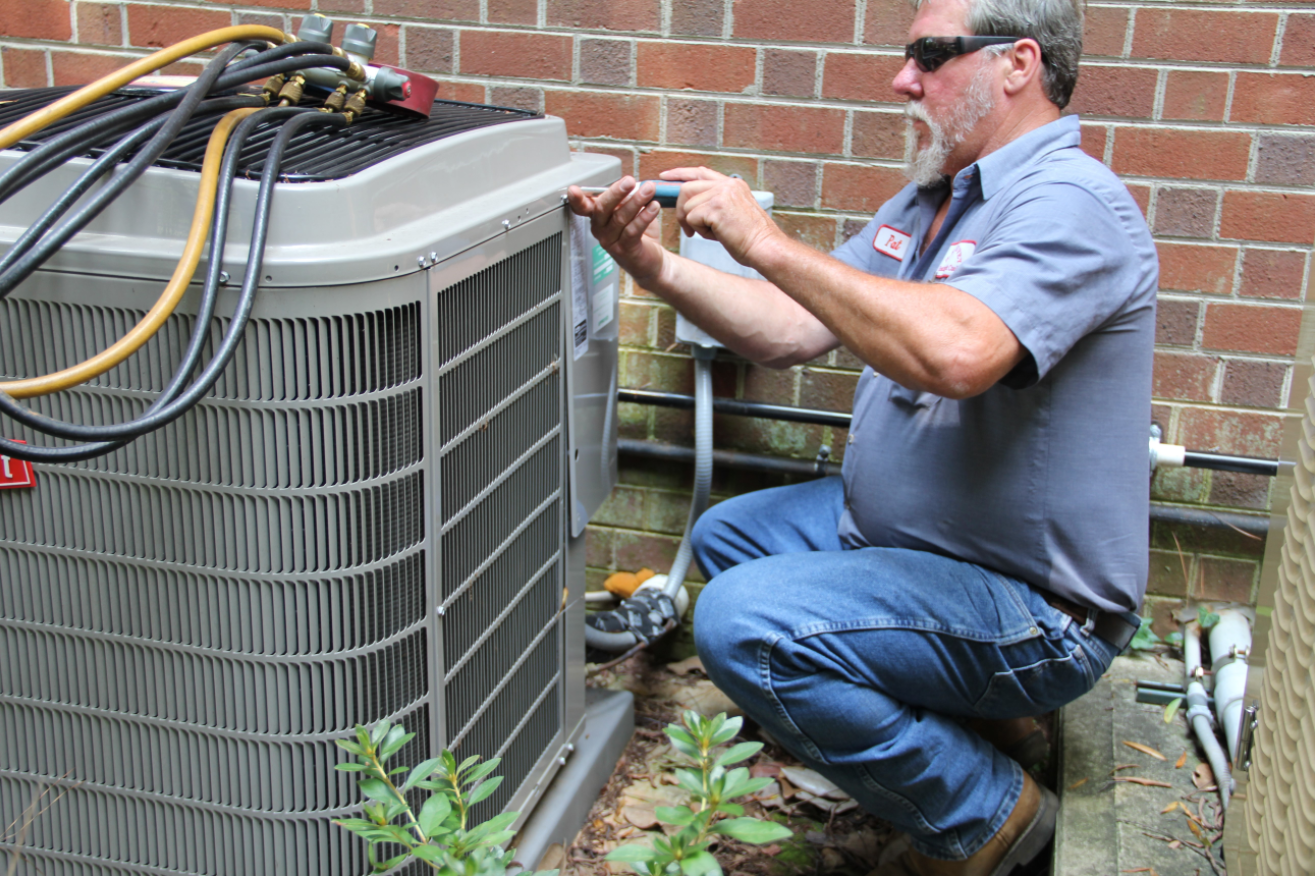
Most people notice indoor comfort only when it breaks down. One room turns stuffy, another stays cold, humidity lingers, airflow feels weak, and suddenly the house never feels quite right, no matter what the thermostat says.
That gap between temperature and actual comfort is where an HVAC contractor makes a real difference. For homeowners, property managers, and building operators, indoor comfort is not just about heating in winter and cooling in summer. It is about airflow, humidity control, system balance, air quality, and how consistently the building responds across changing seasons. A capable HVAC contractor improves comfort by solving the underlying performance issues that make a property feel uneven, stale, damp, drafty, or hard to regulate throughout the year.
Managing common pests effectively requires a strategy that goes beyond simple reactive measures, especially when dealing with various regional climates. Whether maintaining a commercial warehouse or a quiet family residence, identifying subtle signs of activity early can prevent costly structural damage. For instance, residents often look for specialized pest control san tan valley to address specific desert-dwelling species that thrive in warmer environments, much like they would rely on a trusted HVAC company to maintain safe and efficient indoor conditions year-round. These professional services prioritize safety and long-term prevention, ensuring that common nuisances like ants or rodents do not compromise the integrity of the property. By staying proactive and utilizing targeted treatment plans, property owners can maintain a clean, secure environment regardless of their location or the complexity of the infestation.
Comfort Problems Usually Have Causes
- Why The Thermostat Is Not Enough
A thermostat can only call for heating or cooling. It cannot fix poor airflow, leaking ducts, undersized returns, clogged filters, or equipment that is no longer performing efficiently. That is why indoor comfort problems often persist even when the system is technically running. The house may reach a set temperature on paper while still feeling uncomfortable in practice.
This is where contractors bring value beyond simple repair calls. People trying to find HVAC contractor in Simpsonville, SC often start with a comfort complaint, but the real issue is usually broader than one hot room or one weak vent. A good contractor looks beyond the symptoms and identifies the conditions that make the indoor environment feel inconsistent from one season to the next.
- Airflow Shapes The Entire Experience
One of the biggest factors in year-round comfort is airflow. If conditioned air is not moving properly through the home, temperature differences will appear quickly. Upstairs rooms may trap heat, back bedrooms may feel stagnant, and common areas may cool or heat faster than the spaces people use most. Many owners assume this means the system needs to be replaced, when the real issue is often distribution.
An HVAC contractor checks how air is being delivered and returned throughout the home. That may include looking at duct condition, blower performance, filter restrictions, register placement, and balance between zones or rooms. When airflow improves, comfort improves immediately because the system stops fighting against uneven delivery.
- Humidity Matters In Every Season
Indoor comfort is also tied closely to humidity, not just temperature. In warm months, excess moisture makes the home feel sticky even when the thermostat is set low. In cooler months, overly dry air can make rooms feel harsher, less comfortable, and harder on occupants over time. A house can be technically warm or cool yet still feel wrong because the humidity is out of balance.
Achieving a consistently comfortable indoor climate requires more than just high-level equipment; it demands a deep understanding of how various mechanical components interact. When a system begins to struggle with basic heat output or starts producing unfamiliar mechanical noises, it is often an indicator that internal sensors or burners need attention. Relying on a professional Furnace repair service ensures that these critical safety mechanisms are properly calibrated to prevent carbon monoxide issues or unexpected mid-winter failures. Beyond simple mechanical fixes, these technical adjustments help restore the original energy ratings of the unit. Keeping the combustion process clean and efficient minimizes the daily strain on the motor, ultimately protecting the long-term investment you have made in your home infrastructure.
A qualified HVAC contractor helps correct that by evaluating how the system handles moisture during normal operation. If the equipment is oversized, it may cool too quickly without removing enough humidity. If airflow is restricted or controls are off, the system may not properly condition the indoor environment. Addressing those issues changes how the house feels in a way that homeowners notice right away.
- Ductwork Affects More Than Efficiency
Ductwork is one of the most overlooked parts of indoor comfort. Leaks, poor layout, disconnected sections, and unbalanced runs can all change how air moves through the home.
Maintaining a high standard of indoor air quality is often overlooked until respiratory issues or persistent allergies begin to affect the daily lives of residents. Over time, dust and various biological contaminants can settle within complex ductwork, eventually circulating throughout living spaces every time the system cycles on. A qualified HVAC contractor possesses the specialized diagnostic tools necessary to evaluate these hidden components and recommend advanced filtration or purification solutions tailored to a specific home’s environment. By addressing these pollutants at their source, property owners can ensure a healthier atmosphere for their families while simultaneously reducing the mechanical strain caused by restricted airflow and clogged internal components.
This does not just affect energy use. It affects how each room feels, how long the system runs, and whether certain spaces are consistently too warm or too cold.
An HVAC contractor helps by inspecting whether the duct system meets the home’s needs. If conditioned air is escaping before it reaches occupied rooms, or if return air is inadequate, the equipment can run longer without making the home feel better. Correcting duct issues often resolves long-standing comfort complaints that were mistakenly blamed on the unit itself.
- System Sizing Changes Daily Comfort
Comfort throughout the year depends heavily on whether the heating and cooling system is properly sized. An oversized unit may heat or cool quickly but shut off too soon, creating uneven temperatures and poor humidity control. An undersized unit may run constantly and still struggle during weather extremes. In both cases, the home feels less stable than it should.
An HVAC contractor helps by assessing whether the system’s capacity is appropriate for the home’s size, layout, insulation, and usage patterns. This matters because comfort is not just about raw output. It is about how well the system matches the building’s actual needs. Proper sizing creates steadier temperatures, better moisture control, and fewer comfort swings from one room to another.
Comfort Improves When Systems Work Together
An HVAC contractor improves indoor comfort year-round by looking at the full performance picture, not just whether the unit turns on. Airflow, humidity, ductwork, equipment sizing, controls, maintenance, and air quality all shape how a property feels in daily use. When one of those areas is off, comfort usually suffers even if the system is technically operating.
That is the real reason this work matters. Indoor comfort is not created by the thermostat alone, nor is it maintained by equipment alone. It comes from a system that is balanced, supported, and adjusted to match the building as conditions change across the year. A strong HVAC contractor helps create that balance, which is why the difference is often felt long before it is fully understood.
