
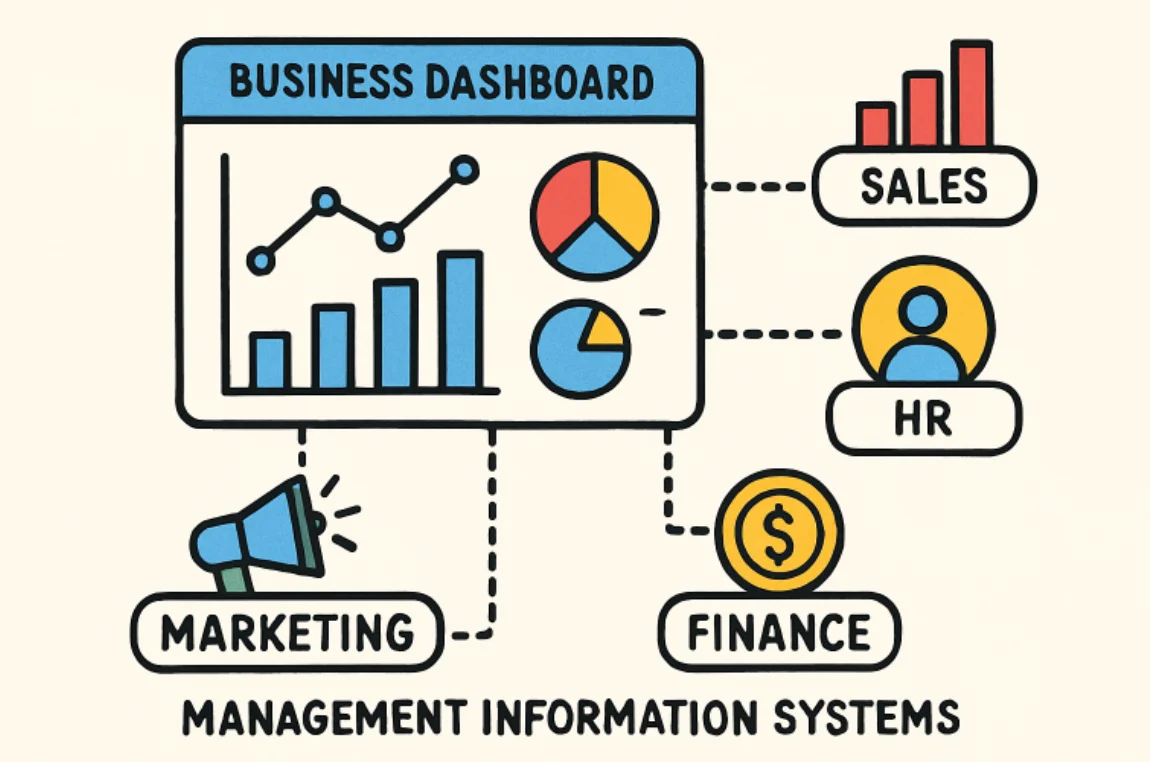
Enhancing efficiency is essential for organizations aiming to succeed in a fiercely competitive market. Leveraging technology has become more than just a strategic advantage; it is now a necessity. One of the most impactful ways companies achieve this is by integrating Management Information Systems (MIS). These systems streamline workflows, improve access to critical information, and support data-driven decisions, helping businesses remain agile. For those interested in roles that influence organizational success, pursuing an online MIS degree is a first step toward mastering these vital technologies.
MIS platforms allow leaders to analyze and act on real-time data, helping organizations optimize performance and adapt quickly to market changes. Today’s fast environment requires more than intuition; it demands structured, tech-driven management systems to handle complex processes and datasets. An effective MIS is vital for both large and small businesses seeking operational excellence and growth. In finance, healthcare, retail, or manufacturing, a good MIS breaks down silos, automates tasks, and ensures harmony across departments. By managing resources efficiently, businesses can cut costs and strengthen customer and partner relationships—key for sustainable growth. This article explores MIS benefits and why it’s essential for modern success, from improving decision-making to adopting future trends, fostering resilience, scalability, and innovation.
Understanding Management Information Systems
Management Information Systems (MIS) are frameworks for collecting, processing, storing, and distributing essential information. They integrate people, processes, and technology to create a data-driven culture where decisions rely on reliable insights. This reduces information bottlenecks, ensuring leaders and teams access accurate data when needed. MIS enhances internal coordination and maximizes data asset value by breaking departmental silos, providing a comprehensive view of operations. This advances short-term efficiency and long-term profitability. As McKinsey notes, digital tools like MIS have evolved from business enhancers to vital enablers of transformation worldwide.
Enhancing Decision-Making with Real-Time Data
Modern MIS platforms excel in capturing data from disparate sources and converting it into actionable intelligence. Access to real-time data is among their most valuable features, empowering managers and executives to respond swiftly to changing business conditions. When organizations rely less on gut feeling and more on real-time analytics, they minimize the risk of error and seize opportunities faster.
Research by the Harvard Business Review shows that businesses that embrace data-driven decision-making see a marked improvement in productivity and competitive positioning. MIS platforms enable the visualization of trends and anomalies, allowing leaders to forecast future outcomes with greater accuracy. The agility provided by robust data analytics turns informed planning into a strategic asset rather than a reactive task.
Streamlining Business Processes
MIS solutions automate time-consuming manual tasks and standardize essential business functions. This automation allows organizations to reduce human error, improve consistency, and redeploy valuable staff time toward higher-impact projects. In industries such as manufacturing, systems like MES (Manufacturing Execution Systems) integrate directly with MIS to track resources, monitor progress, and optimize workflows for maximum throughput.
When properly implemented, an MIS orchestrates everything from inventory management to order processing and compliance tracking. Enterprises also benefit from process transparency, as MIS platforms record each transaction or change in real time, enabling granular reporting and auditability.
Improving Customer Relationship Management
Businesses that connect their MIS with Customer Relationship Management (CRM) platforms dramatically enhance customer service and personalization. By consolidating data from sales, support, marketing, and feedback channels, organizations develop a complete picture of customer preferences and needs. This unified approach enables proactive outreach, tailored product offerings, and improved retention rates.
CRM-MIS integration helps streamline customer touchpoints, reducing response times and ensuring every interaction is informed by the customer’s history with the company. According to Forbes, organizations using technology to predict and respond to customer behavior have set a new standard for loyalty and long-term engagement.
Cost Reduction and Resource Optimization
Effective MIS deployment identifies inefficiencies and waste, allowing companies to allocate resources strategically. Tracking expenditures, usage, and bottlenecks helps management make data-driven adjustments, lowering overhead and boosting productivity. Managed IT services, often part of MIS strategies, reduce system downtime and consolidate functions. These optimizations lead to savings and enable reinvestment in core areas like product development and talent acquisition. Strategic MIS use is vital for maintaining a lean but robust operational footprint in competitive sectors.
Scalability and Flexibility
Businesses are rarely static. Growth, mergers, seasonal surges, and evolving markets demand systems that scale effortlessly. Modern MIS platforms offer scalability and adaptability, especially when leveraging cloud-based technologies. These platforms remove physical infrastructure constraints, making it simple to add new users, extend functionality, or adopt emerging technologies with minimal disruption.
Flexibility goes beyond simple scalability. It translates to easier compliance with new regulations, fast onboarding of remote or global teams, and the ability to tailor workflows to changing conditions. Cloud MIS solutions position organizations for future growth by ensuring they remain both nimble and responsive in dynamic environments.
Future Trends in MIS
The trajectory of MIS is driven by advances in AI, machine learning, and IoT. AI-powered MIS can automate analytics, enable autonomous decisions, and optimize workflows. As more IoT devices connect, businesses can integrate data from equipment, vehicles, and wearables, offering unmatched operational visibility.
Digital transformation is a top priority, with MIS integrated into broader strategies to build resilient, intelligent enterprises. CIO Magazine notes that adopting flexible, AI-driven systems is vital for innovation and preparedness in an uncertain world.
Conclusion
Management Information Systems are foundational to business efficiency and competitive success. From enhancing daily decision-making to streamlining operations and building robust, customer-centered frameworks, the value of MIS cannot be underestimated. As organizations look to the future, investing in modern MIS solutions will be vital to unlocking new opportunities, mitigating risk, and ensuring lasting growth in an increasingly digital world.

David Weber is an experienced writer specializing in a range of topics, delivering insightful and informative content for diverse audiences.
1 thought on “How Management Information Systems Drive Efficient Business Operations”