
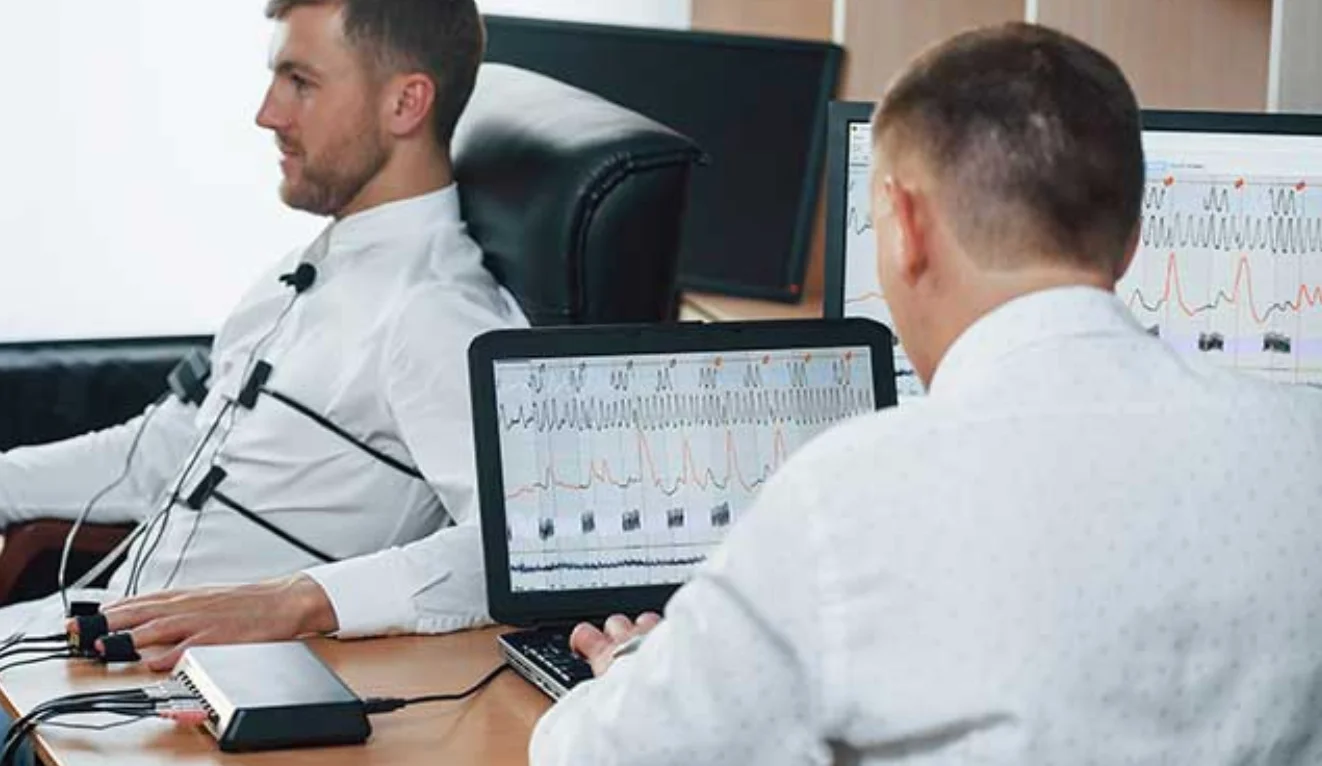
The demand for trained polygraph professionals has increased significantly over the years as organizations, law enforcement agencies, private investigators, and security firms continue to rely on credibility assessment and deception detection methods. Polygraph schools and polygraph training programs play a critical role in preparing students for this specialized career path. However, choosing the right institution can be challenging because there are many programs available, each offering different training methods, certifications, and educational standards. Selecting the best program requires careful research, a clear understanding of career goals, and knowledge of what makes a polygraph training course credible and effective.
A professional polygraph examiner must possess much more than technical knowledge. Successful examiners need communication skills, ethical awareness, psychological understanding, and the ability to conduct accurate examinations under pressure. This is why the quality of education and practical training matters so much. Students who enroll in strong polygraph schools receive a balanced combination of theoretical instruction and hands-on experience, allowing them to develop the confidence and expertise required for professional success. Research into accredited programs shows that leading schools emphasize scientific principles, practical exercises, legal knowledge, and ethical standards as key components of their curriculum.
Understanding What Polygraph Training Involves
Polygraph training programs are designed to teach students how to conduct examinations that measure physiological responses associated with truthfulness and deception. Training usually includes instruction in physiology, psychology, interviewing techniques, chart analysis, ethics, and legal procedures. Many professional programs also include practical examinations where students conduct supervised tests and learn how to interpret results accurately. According to accredited training standards, students are expected to gain both theoretical knowledge and practical competence before they can graduate successfully.
Modern polygraph schools often use computerized instruments and scientific scoring systems to help students understand how examinations are conducted in professional environments. Programs may also teach specialized methods related to criminal investigations, employee screening, forensic interviewing, and security testing. Some schools provide additional instruction in advanced interviewing techniques and behavioral analysis to improve student performance in real-world situations.
The goal of professional training is not simply to teach students how to operate a machine. Instead, students must learn how to conduct interviews professionally, formulate effective questions, analyze physiological data, and maintain ethical standards throughout the examination process. A strong educational foundation prepares graduates to work confidently in sensitive environments where accuracy and professionalism are extremely important.
Why Accreditation Matters When Choosing a Polygraph School
One of the most important factors to consider when selecting a polygraph training program is accreditation. Accreditation demonstrates that a school meets recognized educational standards established by professional organizations. Accredited schools are generally required to follow structured curriculum guidelines, maintain qualified instructors, and provide sufficient classroom and practical training hours. Research into industry standards shows that many respected polygraph training programs offer approximately 400 hours of instruction to ensure students receive adequate preparation.
Professional associations often evaluate schools to ensure they maintain high standards in teaching quality, ethics, practical training, and scientific methodology. Students who attend accredited institutions usually have better opportunities for certification and employment after graduation because employers and professional organizations recognize the credibility of their education.
Accreditation also helps students avoid low-quality training programs that may offer insufficient instruction or outdated methods. Some institutions advertise short training periods with limited practical experience, but professional organizations consistently emphasize the importance of comprehensive education and supervised testing. Students should verify whether a school is recognized by respected industry associations before making a final decision.
Evaluating the Curriculum and Course Structure
A detailed and well-structured curriculum is another essential factor when choosing a polygraph school. High-quality programs usually include a combination of classroom instruction, practical exercises, examinations, and supervised fieldwork. Research into accredited programs shows that common subjects include psychology, physiology, instrumentation, question construction, chart analysis, ethics, and legal procedures.)
The best polygraph schools place strong emphasis on practical training because hands-on experience is necessary for developing professional competence. Students often participate in mock examinations, supervised testing sessions, and practical exercises that simulate real investigative situations. Some advanced programs also require graduates to complete additional field examinations after graduation before receiving full certification.
Course structure is equally important. Intensive full-time programs may provide faster completion for students who can dedicate themselves completely to training, while flexible programs may be more suitable for working professionals. Some institutions now offer blended learning systems that combine online theoretical education with in-person practical training. This flexibility allows students to study academic subjects remotely while still gaining supervised practical experience.
Students should carefully review the number of training hours, subjects covered, examination requirements, and practical opportunities offered by each institution. A strong curriculum should provide balanced instruction in both science and professional application.
Importance of Experienced Instructors
The quality of instructors has a major influence on the overall educational experience. Experienced instructors bring practical knowledge into the classroom and help students understand how polygraph examinations are conducted in real professional settings. Many respected schools employ instructors with backgrounds in law enforcement, forensic psychology, investigations, or professional credibility assessment.
Instructors with field experience can provide valuable insight into interviewing methods, ethical challenges, examination procedures, and courtroom preparation. They often share real case examples that help students understand how theoretical concepts apply in practice. Some programs are led by professionals who have contributed to the development of modern polygraph techniques and scientific scoring systems, giving students access to advanced industry knowledge.
Smaller class sizes can also improve the learning experience because students receive more individual guidance and feedback during practical exercises. Schools that prioritize mentorship and personal instruction often help students build stronger technical and interviewing skills.
Practical Training and Hands-On Experience
Practical experience is one of the most valuable aspects of polygraph training. Classroom education alone cannot fully prepare students for real examinations involving sensitive investigations or professional screening procedures. Practical training teaches students how to interact with examinees, formulate effective questions, operate equipment, and analyze physiological responses accurately.
Many accredited programs require students to complete mock examinations and supervised practical exercises before graduation. Some schools also provide internship opportunities or require students to submit actual field examinations after completing classroom instruction. These practical requirements help students gain confidence and improve their professional performance.
Hands-on experience with modern computerized polygraph instruments is especially important because technology continues to evolve within the industry. Schools that invest in updated equipment and scientific testing methods often provide a more effective educational experience for students preparing to enter professional practice.
Comparing Costs and Long-Term Career Value
Tuition costs vary significantly between polygraph schools, and students should compare programs carefully before enrolling. In addition to tuition, there may be expenses related to accommodation, travel, study materials, licensing fees, and certification requirements. Some programs are more affordable than others, but choosing a school based only on price can be a mistake.
Higher-quality programs may require greater financial investment, but they often provide stronger career opportunities, better training, and improved professional credibility. Graduates from respected schools may have better chances of securing employment in law enforcement agencies, private investigation firms, corporate security departments, or independent examination services.
Students should focus on long-term value rather than short-term savings. Investing in comprehensive education and practical training can lead to better career growth and higher earning potential in the future.
Career Support and Continuing Education
Some polygraph schools offer career support services that help graduates transition into professional practice. These services may include mentorship programs, networking opportunities, job placement assistance, and advanced training workshops. Strong professional connections can be extremely valuable in a specialized industry such as polygraph examination.
Continuing education is also important because polygraph techniques, technologies, and professional standards continue to evolve. Many professional organizations encourage examiners to participate in advanced training programs and educational seminars to maintain their skills and stay updated with industry developments.
Graduates who continue learning and improving their expertise often achieve greater long-term success in the profession. Schools that emphasize ongoing professional development help students build sustainable careers rather than simply completing basic training.
Common Mistakes Students Should Avoid
Many students make the mistake of choosing programs without researching accreditation, curriculum quality, or instructor experience. Some schools advertise quick certification with minimal training hours, but these programs may not provide the level of education required for professional success. Professional standards consistently emphasize the importance of extensive classroom instruction and practical training.
Another common mistake is ignoring practical experience. Students who focus only on theoretical education may struggle when conducting real examinations. A balanced program that combines classroom learning with supervised practice is essential for developing professional confidence and competence.
Students should also avoid enrolling in programs without reviewing graduate outcomes, industry recognition, and certification opportunities. Careful research can prevent future problems related to licensing, employment, or professional credibility.
Conclusion
Choosing the right polygraph school and training program is one of the most important decisions for anyone interested in becoming a professional polygraph examiner. A strong educational program should provide accredited instruction, experienced faculty, practical training, modern technology, and ongoing professional support. Students who carefully evaluate accreditation, curriculum quality, instructor expertise, and practical opportunities are more likely to succeed in this specialized field.
Polygraph training requires dedication, discipline, and continuous learning. The best schools prepare students not only to operate polygraph instruments but also to understand human behavior, conduct professional interviews, and maintain ethical standards throughout their careers. By investing in a respected and comprehensive training program, students can build a strong foundation for long-term success in the growing field of credibility assessment and deception detection.

David Weber is an experienced writer specializing in a range of topics, delivering insightful and informative content for diverse audiences.