
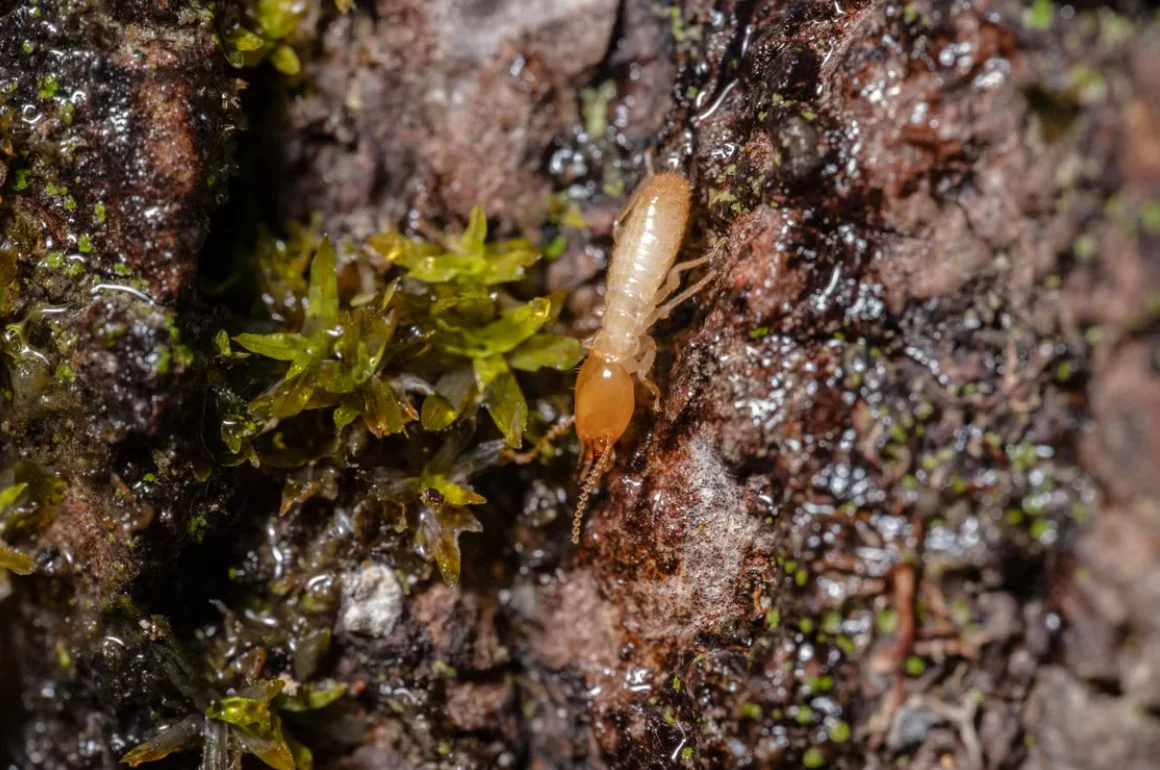
Pest problems rarely appear overnight. In most cases, pests leave behind subtle clues long before an infestation becomes obvious. Unfortunately, many property owners overlook these warning signs until the damage becomes extensive and expensive to repair. Whether the issue involves insects, rodents, or other unwanted creatures, early detection can make a significant difference in protecting a property and maintaining a healthy environment.
Regular inspections and awareness are essential parts of effective pest prevention. Small signs such as unusual sounds, minor property damage, droppings, nesting materials, or changes in outdoor conditions often indicate that pests are becoming active. By learning how to recognize these early warning signs, property owners can take action quickly and reduce the likelihood of severe infestations.
Look for Physical Signs of Pest Activity
One of the most reliable ways to identify a developing pest problem is by looking for physical evidence. Many pests leave visible traces as they move through a property. Rodent droppings, insect wings, nesting materials, and shed skins are common indicators that pests may already be present. These signs often appear in storage areas, garages, attics, basements, and other locations that receive less frequent attention.
Property owners should also watch for gnaw marks, damaged packaging, and unexplained stains along walls or floors. Rodents frequently chew on wood, plastic, and electrical wiring, while insects may leave tiny holes or surface damage in various materials. Similar warning signs can appear on boats, where enclosed compartments, stored supplies, and limited daily monitoring can allow pests to remain unnoticed for extended periods. Because infestations can damage wiring, upholstery, and other valuable components, early detection is especially important in marine environments. For boat owners looking to reduce these risks, investing in solutions focused on keeping rodents and insects off your boat can help prevent costly damage and support long-term vessel maintenance. Conducting routine visual inspections, both on land and on the water, helps identify issues early and allows for faster intervention before a small problem turns into a widespread infestation.
Pay Attention to Unusual Sounds and Odors
Pests often reveal their presence through sounds and odors before they are actually seen. Scratching noises inside walls, ceilings, or crawl spaces can indicate rodent activity. Similarly, buzzing sounds near hidden areas may point to insect nests or colonies. These noises are often more noticeable at night when many pests become active, and household activity decreases.
Unusual smells can provide another important clue. A persistent musty odor may signal hidden pest activity, while stronger foul smells can sometimes indicate nesting sites or accumulated waste. Property owners should investigate unexplained odors rather than assuming they will disappear on their own. Identifying the source early can help uncover pest issues before they spread to additional areas of the property.
Inspect Common Pest Entry Points
Even the cleanest and most well-maintained properties can experience pest problems if entry points are left unprotected. Small gaps around doors, windows, vents, utility lines, and roofing components often provide easy access for pests seeking food, shelter, or moisture. Regular inspections of these areas can reveal vulnerabilities before pests take advantage of them.
Cracks in foundations, damaged weather stripping, and torn screens deserve particular attention. Many pests can enter through surprisingly small openings, making thorough inspections essential. Sealing gaps and repairing damaged exterior features not only improves property maintenance but also reduces opportunities for pests to establish themselves indoors.
Watch for Changes in Outdoor Areas
Outdoor spaces often provide the first indication that pest activity is increasing. Burrows in the soil, small dirt mounds, damaged plants, and unexplained holes in lawns can signal the presence of rodents or insects. Regularly inspecting landscaping features helps property owners identify unusual changes before pests move closer to structures. Paying attention to these early warning signs can significantly reduce the chances of a larger infestation developing unnoticed.
Standing water and accumulated debris can also attract a variety of pests. Areas with excessive vegetation, wood piles, or clutter create shelter and breeding opportunities. Maintaining a clean and organized outdoor environment reduces these risks and makes it easier to spot potential problems early.
Recognize Early Signs of Structural Damage
Pests frequently cause damage long before they are seen. Wood that appears soft, blistered, warped, or hollow may indicate pest activity within walls, floors, or support structures. Small holes, damaged insulation, and weakened materials should never be ignored, even if they appear minor at first glance. Regular inspections can help uncover these issues before they compromise the integrity of the property.
Property owners should also pay close attention to wiring, storage areas, and less frequently used spaces. Rodents often chew electrical components, while certain insects target wooden structures. Addressing signs of damage promptly can prevent more extensive repairs and help eliminate pests before their populations grow.
Monitor Moisture and Food Sources
Many pests thrive in environments that provide easy access to water and food. Leaking pipes, clogged gutters, poor drainage, and excess condensation can create ideal conditions for infestation. Routine inspections of plumbing systems and moisture-prone areas help reduce these attractive conditions. The same principle applies to marine settings, where moisture control is an important consideration for boat owners.
Food sources can be equally important. Crumbs, improperly stored pantry items, pet food, and overflowing trash bins may encourage pest activity indoors. Whether you own a vessel or are renting a boat, keeping food storage areas clean and disposing of waste properly can help minimize the risk of attracting pests. Maintaining cleanliness and storing food in sealed containers limits opportunities for pests to settle and reproduce within a property.
Staying Ahead of Pest Problems
Preventing serious infestations begins with recognizing the warning signs that pests leave behind. Physical evidence, unusual sounds, outdoor changes, structural damage, and environmental conditions all provide valuable clues that should not be overlooked. Identifying these indicators early allows property owners to respond before pests become firmly established.
A proactive approach combines routine inspections, proper maintenance, and prompt action whenever concerns arise. By monitoring both indoor and outdoor areas consistently, property owners can reduce risks, protect their investments, and create an environment that is far less attractive to unwanted pests throughout the year.

David Weber is an experienced writer specializing in a range of topics, delivering insightful and informative content for diverse audiences.