
Understanding Mold and Its Health Impacts
Mold is a type of fungus that flourishes in damp and humid indoor conditions, and it often appears as unsightly black, green, or white patches on ceilings, walls, and other surfaces. When mold spores become airborne, they can be inhaled, leading to a variety of health problems. These issues range from coughing, sneezing, and throat irritation to more severe concerns in those with allergies, asthma, or weakened immune systems. Mold exposure is especially problematic for young children, the elderly, and anyone with respiratory complications.
Homes in regions with higher moisture or that have experienced water damage are especially vulnerable. Identifying the early warning signs of mold can prevent further contamination and protect your family’s health. For peace of mind, homeowners can reach out to the best mold testing company in northern Virginia for a thorough assessment and to determine if professional remediation is needed.
Maintaining Optimal Humidity Levels
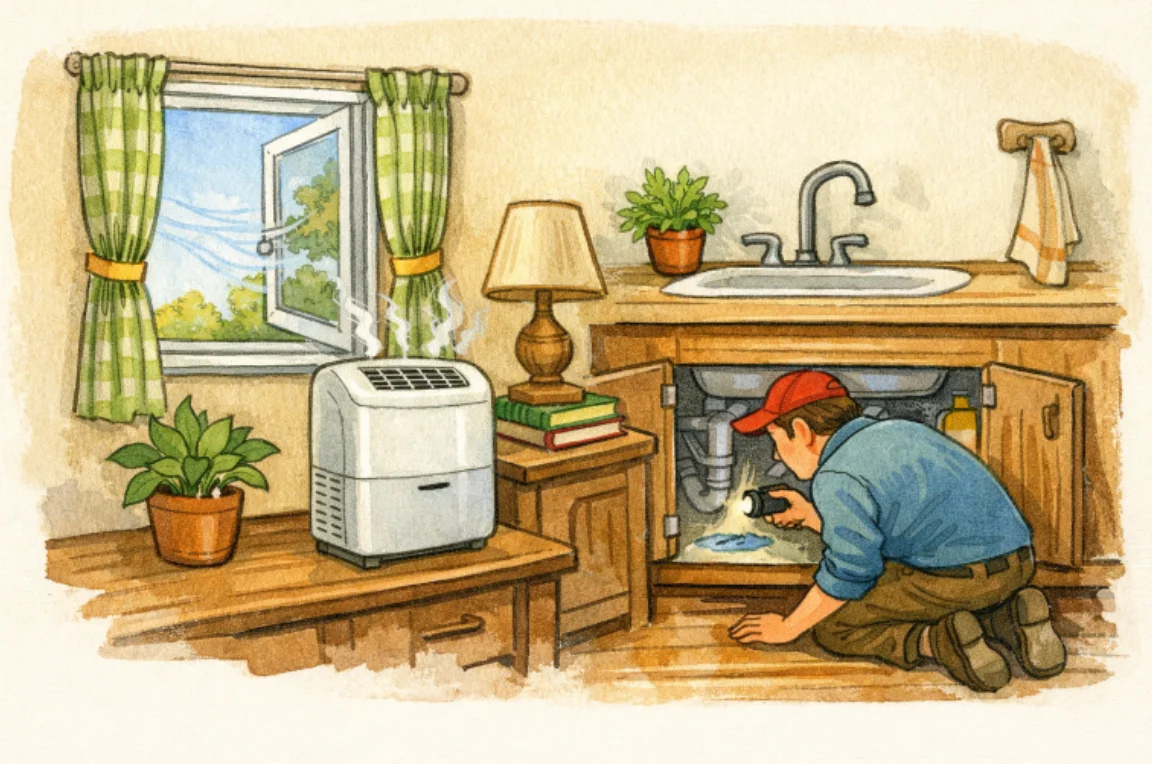
Proper humidity control is a fundamental strategy in mold prevention. According to recommendations from the Centers for Disease Control and Prevention (CDC), maintaining indoor humidity between 30% and 50% significantly reduces the risk of mold growth. Homeowners can use an inexpensive hygrometer to monitor the humidity levels throughout the year, especially during the rainy season or in wet climates. If readings are above the recommended range, deploying a dehumidifier or running the air conditioning can help draw excess moisture out of the air. Remember, even slightly elevated humidity can create conditions where mold can thrive, so remaining vigilant is crucial.
Ensuring Proper Ventilation
Airflow plays a vital role in controlling moisture in key areas of the home. Kitchens and bathrooms are particularly vulnerable due to steam from cooking and bathing. Using exhaust fans during and after these activities can quickly expel moisture-laden air outside. For those without built-in fans, opening windows for even a short amount of time can significantly enhance air circulation and lower relative humidity. Ensuring ventilation in enclosed spaces, such as closets or beneath sinks, can also help prevent mold from establishing itself in these hidden areas.
Promptly Addressing Water Leaks
Unattended leaks from roofs, plumbing, windows, or basement walls are primary contributors to mold infestations. Any leak should be repaired as soon as it is discovered, and water-damaged areas must be dried within 24 to 48 hours to stop mold from colonizing. The Environmental Protection Agency (EPA) emphasizes the importance of immediate action following water intrusion, as delays allow mold spores to multiply rapidly. Check corners, under sinks, and behind appliances regularly to catch minor leaks before they cause significant issues.
Regular Cleaning and Inspection
Routine inspections, especially in damp or poorly ventilated areas, are critical for early mold detection. Basements, attics, and crawl spaces should be checked frequently for signs of musty odors or discoloration on surfaces. Cleaning these areas with mold-inhibiting solutions is recommended. For example, a mixture of one cup of liquid household bleach in one gallon of water can be used to scrub non-porous surfaces where mold is present. However, always follow safety precautions and ensure good ventilation when using bleach-based cleaners.
Effective Mold Removal Techniques
To safely remove mold from small areas, use a solution of detergent and water, scrubbing affected surfaces thoroughly. Avoid steam cleaners for mold, since the added humidity can make the problem worse and potentially disperse spores. Specialized mold removal sprays and cleaners, available at hardware stores or online, are also effective and can prevent regrowth when used according to manufacturer instructions.
When to Seek Professional Help
Large or stubborn mold infestations often require expert intervention. If mold covers a surface area greater than ten square feet, or if it has penetrated HVAC systems, insulation, or structural wood, professional remediation is strongly recommended. Certified experts can assess the extent of the damage, ensure safe removal, and make recommendations for preventing recurrence. Additionally, professional assistance is vital when vulnerable individuals reside in the household, so as not to risk their health during removal.
Conclusion
Preventing mold in your home is an ongoing commitment that involves maintaining optimal humidity, ensuring proper ventilation, addressing leaks without delay, and cleaning regularly. By following these essential measures, you can keep your living space safe, clean, and less likely to harbor mold. Combining DIY maintenance with expert evaluations will provide peace of mind and safeguard your family’s health against mold-related illnesses.

David Weber is an experienced writer specializing in a range of topics, delivering insightful and informative content for diverse audiences.