
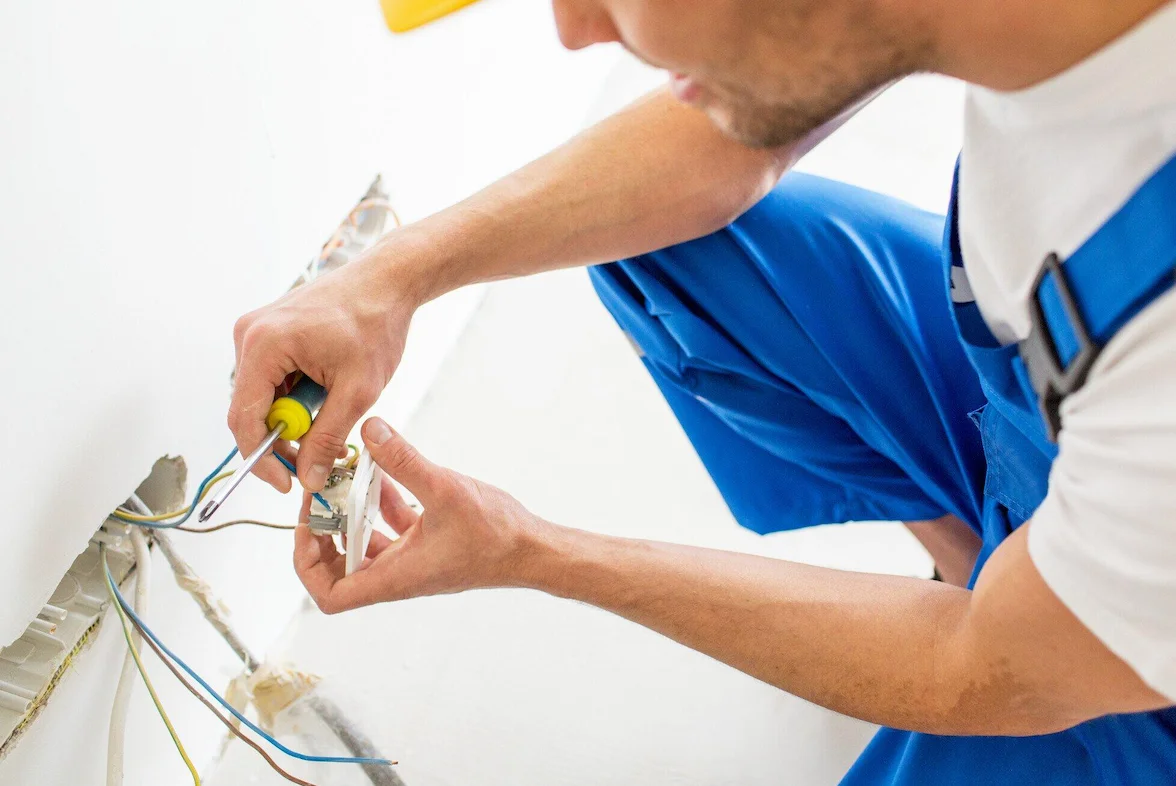
What should you do when an outlet sparks, a breaker will not reset, or lights flicker in a way that feels unsafe?
Electrical problems can move fast, and the wrong reaction can make a stressful moment much worse. Clear safety steps help you protect people, property, and power until trained help arrives. They also help you know when a problem is too risky for a DIY fix.
This article explains how to improve safety during electrical emergencies with calm, practical steps anyone can understand.
Know the Warning Signs
Electrical emergencies often start with small signs that are easy to ignore. A burning smell, buzzing outlet, warm switch plate, or flickering light can point to a serious problem. Treat these signs as warnings, not minor annoyances.
Repeated breaker trips can also mean your system is overloaded or damaged. Sparks from outlets may suggest loose wiring or a faulty device. When these signs appear, stop using that area and keep people away.
Addressing these underlying infrastructure problems early helps ensure long-term home safety and prevents recurring hazards. For comprehensive upgrades or complex system diagnoses, scheduling professional residential electrical work by Atomic Electric Service Inc. can resolve hidden wiring faults before they trigger severe problems. Proper upkeep keeps your household circuitry stable and compliant with modern safety demands.
Cut Power Safely
Turning off power can reduce the chance of shock, fire, or more damage. Use the breaker panel only if you can reach it safely and the area is dry. Never touch the panel if water is nearby.
If the danger is near one appliance, unplug it only when your hands are dry. Do not pull on the cord, and do not touch damaged plugs. When the source is unclear, leave the power off and wait for help.
Keep Water Away
Water and electricity are a dangerous mix in any home or business. If flooding reaches outlets, cords, or panels, stay clear of the area. Do not step into standing water if power may still be active.
Move people and pets away from wet electrical spaces right away. Avoid using fans, vacuums, or extension cords to handle the problem. In this kind of emergency, contact a licensed electrician through https://aardvarkelectricservice.com/ before restoring power.
Avoid DIY Repairs
Electrical repairs may look simple, but hidden damage can make them unsafe. Loose wires, burned outlets, and faulty breakers can cause shocks or fires. A quick fix without the right tools can create a bigger hazard.
Do not open panels, splice wires, or replace breakers during an emergency. Your safest role is to spot the issue, reduce risk, and call for professional help. Clear photos and notes can help the electrician understand what happened.
While handling immediate electrical failures safely helps protect your household, long-term safety depends heavily on regular inspections. Investing in proactive system care can keep your panels and connections operating reliably under variable conditions. Homeowners looking to establish a preventative maintenance plan can browse this website to discover professional inspection options that resolve hidden hazards early.
Prepare an Emergency Plan
Every home should have a simple plan for electrical emergencies. Make sure everyone knows where the breaker panel is and which areas to avoid during a problem. Keep flashlights nearby so no one has to search in the dark.
It also helps to save emergency contact numbers in your phone. Choose a safe meeting spot if smoke, sparks, or heat force people outside. A small amount of planning can make a stressful situation much easier to handle.
Stay Safe Stay Ready
Electrical emergencies feel less scary when you have a simple plan. Know where your breaker panel is, keep exits clear, and teach family members when to stay away. Fast action matters, but safe action matters more.
The best response is calm, careful, and realistic. When the risk feels serious, protect people first and let trained professionals handle the repair.
Did you like this guide? Great! Please browse our website for more!

David Weber is an experienced writer specializing in a range of topics, delivering insightful and informative content for diverse audiences.
1 thought on “How to Improve Safety During Electrical Emergencies”