
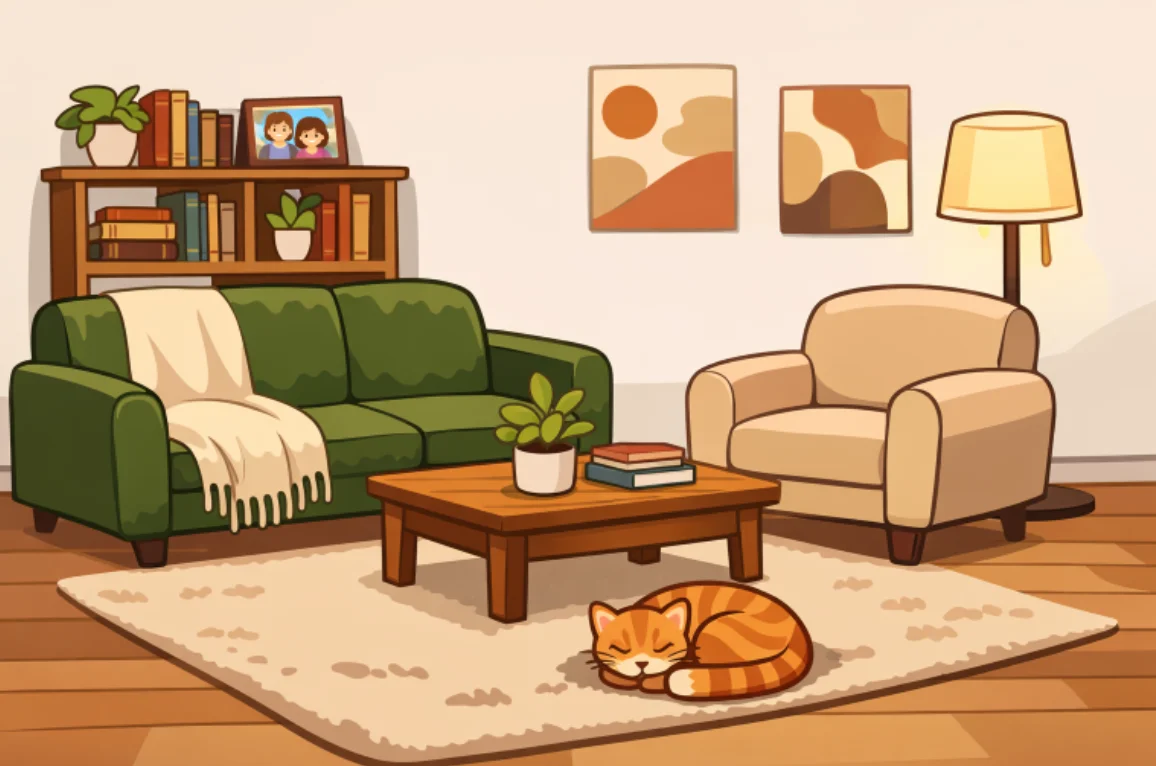
Combining modern design and comfort to create a home where you feel welcomed will create a home that is elegant and warm. A true haven, because when all of your furnishings add to the beauty and practical comfort of your living space. It’s important for homeowners to understand how to create a beautifully elegant modern furniture collection and shop affordable furniture at Decor Steals.
Modern furniture should provide more than just complementing a design style; it should also represent the homeowner’s personal style and create an inviting lived-in feel for the space. By blending different textures, colors, and materials intelligently, anyone is capable of designing a modern interior that is not only practical but also stylish for many years.
People are starting to embrace the Cozy Modern Design
This style of design is characterized by clean lines, simple silhouettes, and warm textiles with organic textures. A beautifully comfortable, modern designed space is created by selecting furniture pieces for the room that include plush armchairs, couches upholstered with luxurious velvet, or accent stools made from distressed wood. When executed correctly, a Comfortably Modern designed room can transform into the perfect haven for relaxing at home and entertaining your guests. For more interior design advice, read the articles listed in Architectural Digest on small space design.
In addition to the above example, the Cozy Modern Design Style will also focus on creating small, Purposeful Vignettes with the intention to create opportunities for relaxation and building connection. Items such as soft throws, oversized cushions, and designated reading nooks are ideal ways to create. Different shapes and heights of asymmetric furniture combined with layering techniques can provide a lively visual impact in an interior space. Additionally, co-op seating (i.e., two armchairs with a low coffee table or small side table) allows for successful social interaction and enhances the hospitable feel of a room (or area within the house). It is equally important to recognize how all the different rooms within a home relate to one another; a cohesive flow of space throughout a house significantly contributes to creating an integrated and harmonious home aesthetic among all areas of the house.
Incorporating Nature Into Your Home
Nature is a major component of the comfort focused aesthetics that so many people desire today within their homes. Components such as wood floors, granite accent walls, bamboo decorations, and linen upholstery create a sense of connection to the world around us, while all of these materials help to make a piece of furniture timeless; for example, coffee tables made from reclaimed wood or natural stone surfaces provide warmth and are also great centerpieces for any sports party. Natural textures have a high degree of comfort and create a lot of visual interest from the layered effect created by using different types of natural textures with many variations; thus, natural materials give a room a very soft and elegant appearance.
Many nature-inspired finishes are now being applied to window items, light fixtures, and shelves as well; the use of rattan, jute and cane materials in these items provides a natural, tactile quality to the overall aesthetic of a room, while the incorporation of more contemporary design elements will create balance and harmony in the organic components of each piece of furniture. The use of large indoor plants and palm prints will help to create a relaxing feel to the home by delivering the outside inside and transforming the home into a completely renovated space. More and more people each day are realizing that living sustainably is critical to their enjoyment in life; many people are now opting to use responsibly-sourced hardwoods and eco-friendly materials when designing or building their own home due to the ability of these materials to create unique furniture pieces that will increase the value of any room.
Using Modular Furniture
Modular furniture is quickly becoming a trend in contemporary home design due to its capabilities of being functional and flexible to meet the needs of the Sectional sofas and multiple-parts shelving systems are excellent examples of how flexible a room can become as your lifestyle changes. A modular sectional can easily go from binge-watching movies with your family on the couch one minute, then when you need to entertain guests at a formal gathering, moving the sectional will provide you with an even more formal area to sit.
Because modular furniture can be moved around to accommodate the changing uses of space, they are also perfect for spaces created for multi-use. For example, modular bookcases can be used as room dividers, or modular benches and stools can either be moved aside or brought out as additional seating when hosting large gatherings. Modular designs may also include storage features that help keep the home tidy by reducing clutter. With many people living in cities and downsizing their belongings, furniture that can be configured or adapted based on needs is essential for keeping both the function and aesthetics of a home consistent.
Incorporating Vintage Elements
Incorporating vintage pieces into your modern decor adds personality and character to the space. Incorporating vintage pieces, such as a retro credenza, a mid-century mirror, or a vintage pendant light fixture, will add contrast and a story to the space. By mixing vintage pieces with newer pieces of furniture, you create a more layered look, which in turn creates a space that is rich and interesting, full of personality and history. For example, placing an antique dresser next to a modern reading chair will create a balanced and visually interesting interplay in that area of the space.
Don’t hesitate! Mixing eras and styles is what makes for dramatic contrasts in decor. Placing an old piece next to a new piece will emphasize the beauty or character of each individual piece, while providing the space with accompanying contrast. Shelves or mantels may be dominated by vintage art and/or collections of old books, while mid-century chairs and/or farm tables add continuity and nostalgia to dining rooms. The treasure-hunting nature of seeking stylish, unique finds at secondhand and/or estate sales makes this process equally enjoyable as either a very creative or financially rewarding hobby. This is also a sustainable way to shop for home decor items that will be unique and special.
Making Your Home Personal
A home that feels personal will have a more profound emotional impact than one with a generic showroom-like appearance. Personal items, artwork with significance, and family heirloom items all combine to tell a special story about you and add character to your living space. Decorative pillows, curated collections of books, and mementos from travels will make your home feel more inviting and lived-in. This type of thoughtful personalization will ensure that your home has a personality that reflects you.
Be mindful of the items and/or groups of items that you choose to display. You may want to create groups of sentimental items that tell a specific story and provide opportunities for conversation. Personalization can also be exhibited through custom-ordered or DIY furniture, as well as with personally selected accessories that represent your hobbies and interests. Examples would include displaying your vintage record collection, displaying family photos on a gallery wall, or using monogrammed throws/blankets in your living room; these details will add to the individuality of your residence and provide a true reflection of the people who reside there.
Creating a Layered Lighting Design
Lighting creates an atmosphere and contributes significantly to the overall comfort of a room. When lighting a room, a good way to achieve that is by layering light sources, i.e., using overhead (e.g., recessed lighting), table lamps, and sconces. By having multiple light sources, you can use any of them depending on the time of day, activity, or task you’re doing in that space. For instance, reading nooks can benefit from warm task lighting, yet create soft ambient light in social spaces. Layering light sources not only enhances the functionality of your space but also helps to create ambiance in your space. To read more about lighting and how to create effective lighting designs in your home, visit Livingetc Magazine.
When using layered lighting, you may want to consider using dimmable light bulbs or smart light bulbs in order to control how bright or what color temperature you want your space to have. Place accent lighting in areas such as artwork or architectural detailing, and in dark corners you can use floor lamps to supplement the accent lighting. It is equally important to take advantage of natural light as well; mirrors and sheer window treatments can be used to enhance natural light in your home. A good lighting design not only enhances the functionality of your space but also brings out the materials you’ve used and adds depth to your space. As a result, lighting design brings out the overall style of each room in your home while making them warm and inviting throughout the day and into the night.
Using Warm Color Palettes
Your choice of color can have a huge impact on how you feel in a space. Using warm colors such as burnt orange, terracotta, muted gold and mellow olive green will make a room comforting, intimate and inviting. You can use warm colors anywhere in your home, including on the walls, in the furniture you choose to use to inside your home, as well as in your decorative items such as area rugs and cushions. The end result of using warm colors in your home is to create a calm, stylish, and inviting environment that lends itself to both relaxation and entertaining.
To achieve depth in your color scheme, try mixing different tones and shades of warm colors. Using warm accents against neutral or earthy-tone bases will give the area an inviting feeling of comfort.
The pattern used in your textiles, wallpapers, and decor objects will all add energy to the area. For example, consider using subtle stripes, geometrics or traditional patterns reinterpreted in warm colors.
You can also use small doses of inviting color (e.g., art, ceramics, plants) to brighten and personalize a room while helping to create the modern comfort vibe you’re creating.
Conclusion
The key to combining comfort and style when designing modern home furnishings begins with creating functional yet stunning spaces. By following concepts that promote cozy environments as well as using naturally made materials, modular furnishings, vintage accents, personal style, layering light sources, and using warm color palettes, you are ensuring that your home is a beautiful and comfortable place to live.
When you go to Decor Steals to shop for affordable furniture, keep these same principles in mind to create a functional living space.
A harmonious home is one that is capable of change, individuality, and reflects the daily rhythms of the people who inhabit it. When designing your home, do not be afraid to try new arrangements and accessories before you find what works well for you. Keep in mind to take your time in selecting the furniture and decor you put into your home so that every item is both meaningful and contributes to the overall design. You may also want to contact designers for their assistance, look online for design inspiration, or visit your local furniture store to find ideas for your home. By making thoughtful choices and focusing on both style and comfort, you will turn your living space into a peaceful, pleasing, and inspiring retreat for years to come.

David Weber is an experienced writer specializing in a range of topics, delivering insightful and informative content for diverse audiences.