
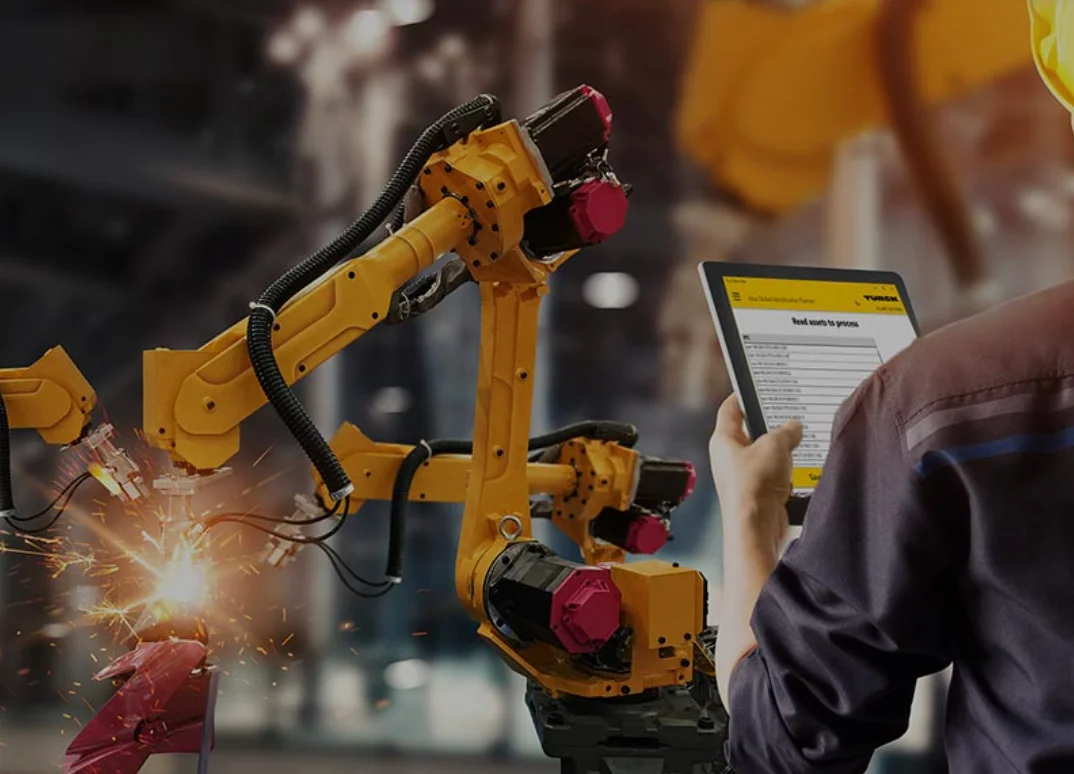
Production delays create a ripple effect across any manufacturing floor. A small hold-up in one area quickly turns into a missed deadline for the entire order. Many factories still rely on manual data entry or barcode scans to track work in progress, or WIP. These methods introduce lag time and human error into the process. Radio frequency identification, or RFID, offers a cleaner solution. This technology gives managers a real-time view of where every item stands, which helps stop delays before they grow.
How RFID Captures Real-Time Workflow
An RFID system uses small tags attached to each product or container. Readers placed at key stations, such as at entry points or assembly lines, detect these tags automatically. There is no need to stop production or point a device at the target. The RFID wip tracker system records the time an item arrives at a station and the time it leaves. This constant flow of information reveals exactly where work slows down. For example, if a weld station consistently holds parts for forty minutes longer than planned, the data makes that delay visible. Managers then have a clear fact to investigate rather than a vague suspicion.
Turn Data into Immediate Action
Data alone does not stop delays. The true value comes from turning that data into quick decisions. Many RFID platforms send an alert when a work order exceeds its expected time at a certain step. A supervisor receives that alert on a handheld device. They can then reassign staff, check for machine trouble, or move stalled inventory ahead of schedule. This shift from reactive to proactive management cuts wait times across the line. A delay that once took hours to discover now triggers a response in minutes. The result is a smoother production flow and fewer missed ship dates.
Lower Error Rates and Reduce Search Time
Misplaced inventory stands as a major source of production delays. A worker spends twenty minutes looking for a specific pallet of semi-finished goods. During that search, the assembly line waits. RFID eliminates the search by showing the exact location of each tagged item. The system updates every few seconds as items move through the facility. A quick look at the dashboard tells a floor manager where to send the forklift. Fewer lost items mean fewer unexpected stops. The reduction in manual counting also lowers the chance of data entry mistakes that send work to the wrong station. Together, these improvements keep the schedule on track.
A Simple Roadmap to Get Started
Adding RFID does not require a full factory overhaul. A company can begin with a pilot zone on one production line. Place tags on a single product family and install readers at two or three key stages. Run the old tracking method alongside the new system for two weeks. The comparison will show the difference in delay detection and response time. After a successful pilot, expand to more lines one at a time. Most teams find the return on investment acts up through reduced overtime and expedited shipping costs. Start small, prove the value, then scale across the facility.
Production delays do not have to be an accepted part of manufacturing life. RFID wip tracker software provides a window into the real-time movement of every part and product. This visibility allows teams to spot bottlenecks as they form, not hours later. The technology reduces wasted search time and eliminates the errors common to manual logs. A thoughtful pilot program on a single line can demonstrate the benefits without major risk. For any factory serious about on-time delivery, RFID offers a practical path to a faster, more reliable production floor.

David Weber is an experienced writer specializing in a range of topics, delivering insightful and informative content for diverse audiences.