
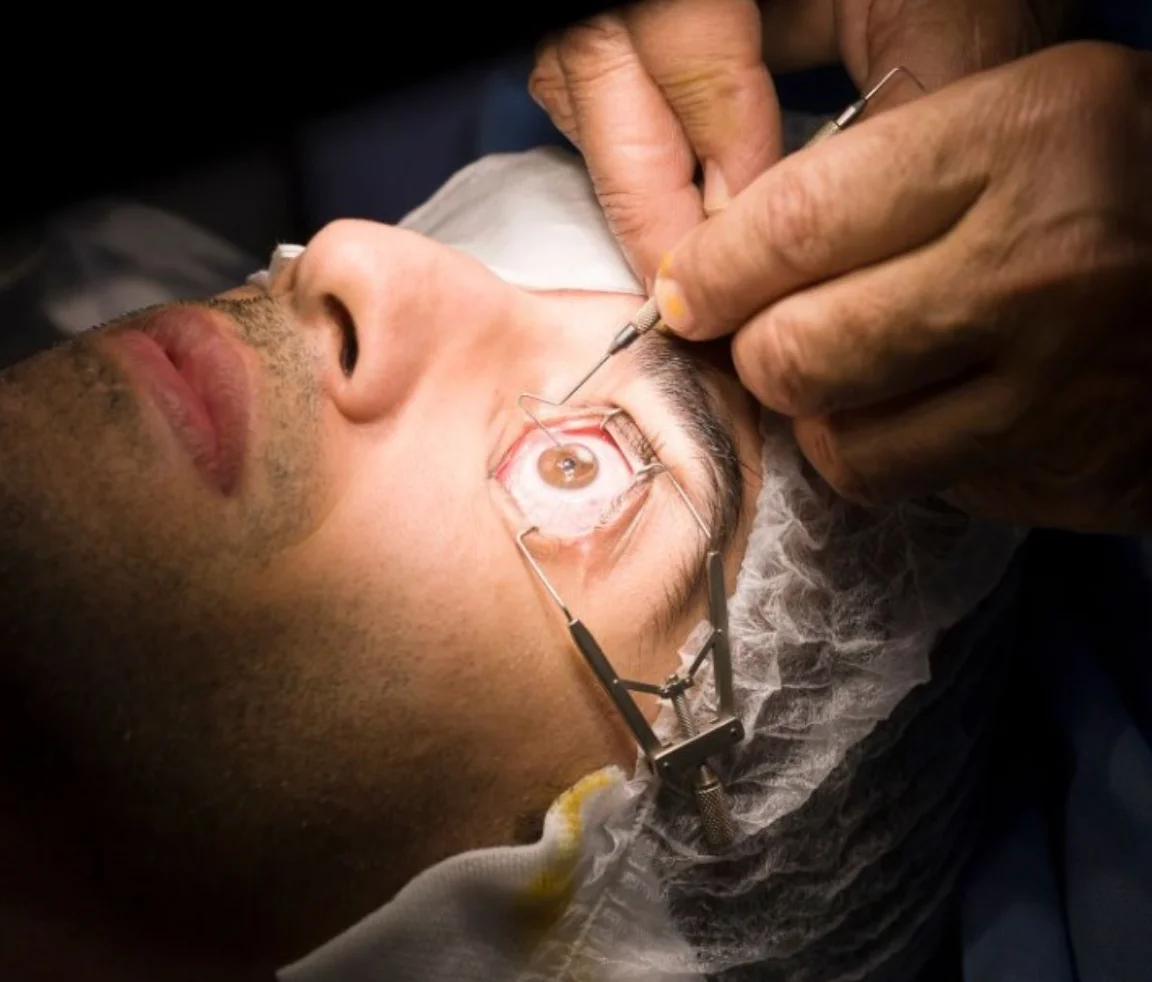
Advancements in vision correction surgery have provided people with more options than ever before to reduce their dependence on glasses and contact lenses. Among the most commonly performed procedures are LASIK, SMILE, and Lens Replacement Surgery. While all three aim to improve vision, they work in different ways and are suitable for different individuals.
Understanding how these procedures differ can help patients make informed decisions when discussing treatment options with their eye specialist. Factors such as age, prescription strength, eye health, and lifestyle play an important role in determining the most appropriate procedure.
What Are Refractive Vision Correction Procedures?
Refractive vision correction procedures are designed to improve how light focuses on the retina. They help correct common vision problems such as:
- Nearsightedness (Myopia)
- Farsightedness (Hyperopia)
- Astigmatism
- Age-related reading difficulty (Presbyopia)
The primary goal of these procedures is to provide clearer vision and reduce the need for corrective eyewear. However, each treatment uses a different technique to achieve this outcome.
Why Choosing the Right Procedure Matters
Not every vision correction procedure is suitable for every patient. Factors that influence treatment selection include:
- Age
- Corneal thickness
- Prescription stability
- Eye health
- Presence of cataracts
- Lifestyle and occupation
A comprehensive eye examination is necessary to determine eligibility and expected outcomes.
Understanding LASIK Surgery
LASIK (Laser-Assisted In Situ Keratomileusis) is one of the most widely performed laser vision correction procedures. It reshapes the cornea using a laser so that light focuses correctly on the retina.
During the procedure, a thin flap is created in the cornea. The underlying tissue is then reshaped with a laser before the flap is repositioned.
Benefits of LASIK
LASIK offers several advantages:
- Quick procedure time
- Rapid visual recovery
- Minimal discomfort
- Effective correction of myopia, hyperopia, and astigmatism
- Long-term vision improvement for suitable candidates
Many patients notice significant improvement in vision within a day or two following surgery.
In urban cities like Mumbai, many patients look for trusted centers offering effective LASIK treatment in Mumbai and other refractive procedures.
Limitations of LASIK
Although effective, LASIK may not be suitable for everyone.
Potential limitations include:
- Thin corneas
- Severe dry eye disease
- Very high prescriptions
- Certain corneal disorders
Patients should undergo a detailed assessment before deciding on the procedure.
Understanding SMILE Surgery
SMILE (Small Incision Lenticule Extraction) is a newer laser vision correction technique. Unlike LASIK, it does not require the creation of a large corneal flap.
Instead, a laser creates a small disc-shaped piece of tissue within the cornea. This tissue is removed through a tiny incision, reshaping the cornea and improving vision.
Benefits of SMILE
SMILE has gained popularity because of its minimally invasive approach.
Advantages may include:
- Smaller incision
- Reduced impact on corneal nerves
- Lower risk of dry eye symptoms
- Quick recovery
- Strong corneal stability
SMILE is preferred over LASIK in many cases because of its flap-free technique and shorter healing process.
Limitations of SMILE
Despite its benefits, SMILE may not be ideal for every patient.
Some limitations include:
- Limited suitability for certain prescriptions
- Fewer enhancement options compared to LASIK
- Availability may vary by treatment center
An eye surgeon can determine whether SMILE is an appropriate option based on individual eye measurements.
Understanding Lens Replacement Surgery
Lens replacement surgery, also known as Refractive Lens Exchange (RLE), involves removing the eye’s natural lens and replacing it with an artificial intraocular lens.
The procedure is similar to cataract surgery but is performed before a cataract develops.
Who Is Lens Replacement Surgery Suitable For?
Lens replacement surgery is often recommended for:
- Adults over 40
- People with presbyopia
- Individuals with very high prescriptions
- Patients unsuitable for laser vision correction
Because the natural lens is replaced, future cataract development is eliminated.
Benefits of Lens Replacement Surgery
The procedure offers several advantages:
- Long-term vision correction
- Treatment for presbyopia
- Reduced dependence on glasses
- Correction of high refractive errors
- Prevention of future cataracts
Many patients experience improved distance, intermediate, and near vision depending on the type of lens selected.
LASIK vs SMILE: Key Differences
Although both procedures reshape the cornea using laser technology, they differ in technique and recovery.
Procedure Differences
LASIK:
- Creates a corneal flap
- Reshapes corneal tissue beneath the flap
- Suitable for a wide range of prescriptions
SMILE:
- Uses a small incision
- No large flap creation
- Preserves more corneal structure
Recovery Differences
Both procedures offer a relatively quick recovery.
However:
- LASIK patients usually achieve rapid visual improvement within 24 hours.
- SMILE patients may experience slightly slower stabilization but usually benefit from fewer dry eye symptoms.
Candidate Differences
LASIK may be preferred for a broader range of vision correction needs, while SMILE may be beneficial for individuals with concerns about flap-related complications or dry eyes.
Lens Replacement Surgery vs Laser Vision Correction
Lens replacement surgery differs significantly from LASIK and SMILE because it addresses the eye’s natural lens rather than reshaping the cornea.
When Lens Replacement May Be Preferred
Lens replacement surgery may be a better option for:
- Patients with age-related vision changes
- Individuals with early lens changes
- People with very high prescriptions
- Patients unsuitable for corneal laser procedures
Long-Term Considerations
Because the natural lens is removed, lens replacement surgery permanently eliminates the possibility of cataract formation. LASIK and SMILE do not prevent cataracts and may still require future treatment if cataracts develop later in life.
How to Decide Which Procedure Is Right for You
The best procedure depends on individual factors rather than a one-size-fits-all approach.
Important considerations include:
- Age
- Eye anatomy
- Prescription strength
- Corneal thickness
- Dry eye history
- Visual goals
A detailed eye examination, advanced imaging, and consultation with an eye specialist can help determine the safest and most effective option.
Conclusion
LASIK, SMILE, and Lens Replacement Surgery are all effective vision correction procedures, but they serve different purposes and patient groups.
LASIK remains a popular option for many refractive errors, while SMILE offers a minimally invasive alternative with a smaller incision. Lens replacement surgery is usually suitable for older adults and individuals with presbyopia or high prescriptions.
Understanding the differences between these procedures allows patients to make informed decisions and choose a treatment that aligns with their vision needs and lifestyle goals.
Frequently Asked Questions
1. Which procedure has the fastest recovery: LASIK or SMILE?
LASIK usually provides very rapid visual improvement, usually within one day. SMILE also offers quick recovery, although some patients may experience slightly slower visual stabilization during the initial healing period.
2. Can lens replacement surgery prevent cataracts?
Yes, since the natural lens is removed and replaced with an artificial lens, cataracts cannot develop in that eye later. This is one of the significant long-term benefits of lens replacement surgery.
3. Is SMILE safer than LASIK?
Both procedures are considered safe when performed on suitable candidates. SMILE uses a smaller incision and avoids creating a large corneal flap, which may offer certain advantages for selected patients.
4. Can older adults undergo LASIK?
Some older adults may be eligible for LASIK if their eyes meet specific criteria. However, individuals with presbyopia or lens-related vision changes may benefit more from lens replacement surgery.
5. How long do the results of vision correction surgery last?
The vision correction achieved by LASIK, SMILE, and lens replacement surgery is generally long-lasting. However, natural age-related eye changes can still occur and may affect vision over time.
